

26.06.26
Methodology as a cornerstone of quality: an overview of Wetrok’s cleaning methods
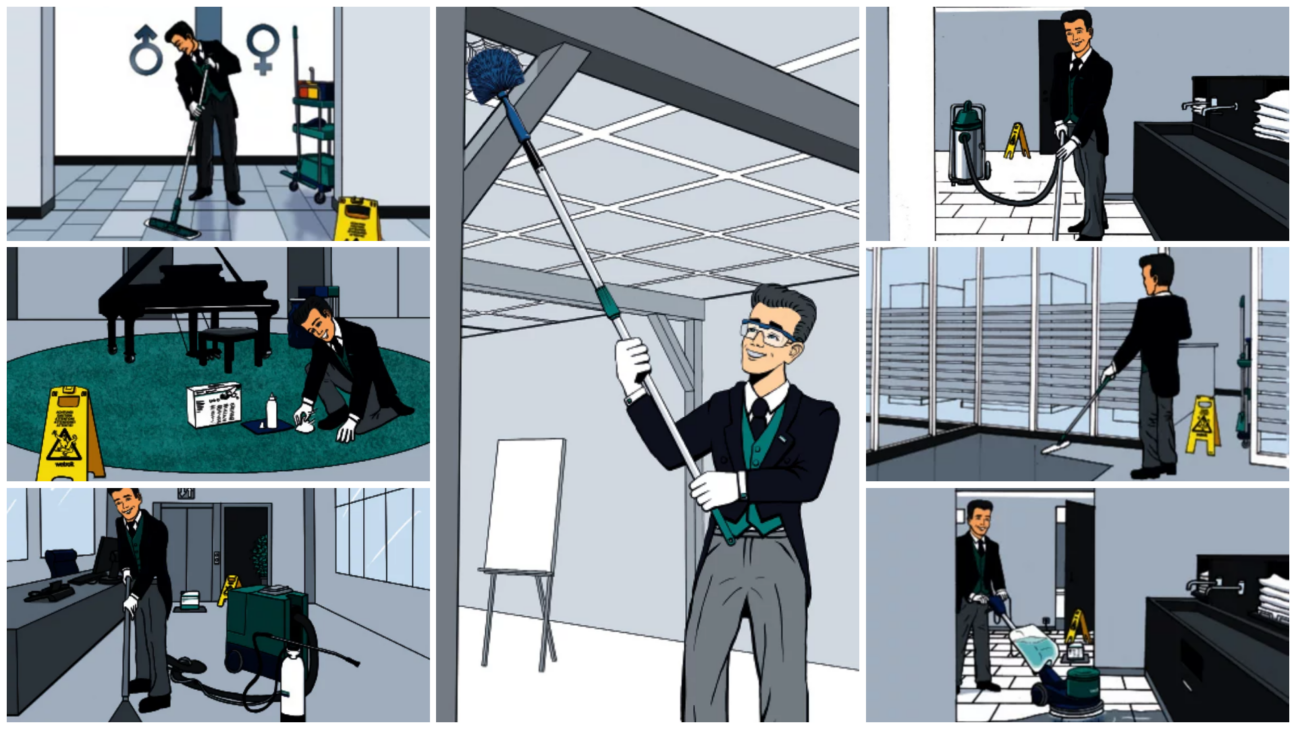
Professional cleaning is not a question of effort, but of using the right method. Wetrok has developed standardised procedures for every application, guaranteeing consistent results, process reliability and the long-term preservation of value. The result: flawless processes, more efficient use of staff and a level of hygiene that can be measured.
Why method is crucial
Inconsistent cleaning results are rarely caused by a lack of effort. They are caused by a lack of standardisation. Wetrok cleaning methods define clear stages for each procedure: preparatory work, main work, and final work. This structure ensures commitment from staff, transparency for managers and reliability for the business.
An overview of the key methods
Dry dusting / removing cobwebs
Removing dust and loose dirt forms the basis of any cleaning process, yet is often underestimated in practice. Dust particles that are not physically removed are carried by air currents onto surfaces that have already been cleaned, thereby increasing the bacterial load throughout the room. Through the targeted use of ceiling brooms and telescopic poles, even hard-to-reach areas above 1.70 m can be safely accessed. The result: significantly better indoor air quality, fewer allergens and a clean starting point for all subsequent cleaning steps.
Wet mopping (Wetrok Quick System)
The single-stage direct method using pre-moistened disposable mops solves a key problem with traditional wet cleaning: cross-contamination. Conventional wet mopping (as opposed to simply wiping) using a bucket, wringer and reusable mop spreads dirt and germs from room to room. The Wetrok Quick System effectively prevents this. One ready-to-use disposable mop per room, no mop water, no wringing. The controlled residual moisture dries quickly, minimising the risk of slipping and ensuring the room is ready for use again in no time. This method has established itself as the hygiene standard, particularly in sensitive areas such as healthcare, schools and food processing. At the same time, it is suitable for both water-resistant and water-sensitive floor coverings, making it a method suitable for almost all smooth floor types.
Stain removal (rinsing method)
Textile floor coverings present particular challenges: dirt is usually embedded deep within the pile, and aggressive treatment can damage the colour and structure. The rinsing method offers a targeted, resource-efficient approach. Instead of cleaning over a large area, only the affected area is treated, using a controlled cleaning solution and minimal mechanical action. A mandatory colourfastness test protects against unwanted surprises. The key advantage: precise use of resources, rapid restoration of appearance and maximum protection of the floor covering material. As different methods are required depending on the type of soiling, special cases such as chewing gum, for example, require the targeted use of a cold spray. For other types of stains, the dabbing method is also a suitable alternative.
Wet scrubbing (mechanical)
Where manual methods reach their limits, mechanical deep cleaning takes over. Stubborn dirt on large, water-resistant surfaces can be removed efficiently and ergonomically using a single-disc machine. This is a task that could not be carried out by hand in a way that is comparable in terms of either cost-effectiveness or quality. The key to achieving a gentle result is choosing the right pad orscrubbing brush: the degree of hardness must be matched to the floor covering and the type of dirt to prevent surface damage. After scrubbing, the dirty water is extracted using a wet vacuum cleaner and, if necessary, the floor is rinsed with clean water, leaving a floor that not only looks clean but is demonstrably so.
Spray extraction (two-stage)
Deep cleaning of textile floor coverings requires a method that penetrates deep into the pile and backing. Two-stage spray extraction – i.e. first applying the cleaning solution and allowing it to soak in, then rinsing with clean water whilst simultaneously extracting the solution – removes even deeply embedded dirt that is not reached during daily maintenance cleaning. This method requires a long drying time and should therefore ideally be scheduled during company holidays. Prerequisite: The floor covering, installation method and subfloor must be fully water-resistant. Due to the long drying time involved in spray extraction, the alternative is often to clean only the surface of the textile floor covering using the carpet pad cleaning method. Following this interim cleaning, the floor covering is clean on the surface and can be walked on immediately.
Wet vacuuming
As a complementary process following wet cleaning, wet vacuuming ensures that dirty water and residual liquid are safely removed. It shortens the drying time, reduces the risk of slipping and ensures that loosened dirt is actually removed and does not remain as a residue on the floor surface.
Coating (protective treatment)
Coating is not a cleaning method in the strict sense, but rather an investment in the future of the floor covering. A protective coating applied professionally makes daily maintenance cleaning noticeably easier, as dirt adheres less readily. At the same time, it protects the flooring from abrasion and ageing. Depending on requirements, up to three coats may be applied. Important: This method is not suitable for PU/PUR-treated flooring.
Wetrok cleaning and care instructions
What sets Wetrok apart from general method descriptions is that the processes are optimally coordinated, precisely tailored to specific floor surfaces and levels of soiling, and supported by the appropriate product range. The Wetrok Methodology encompasses over 40 standardised methods covering the entire cleaning cycle, from daily maintenance cleaning through machine-based deep cleaning and disinfection to protective treatments and specialised procedures. The Wetrok cleaning and care guides offer well-thought-out cleaning systems for a wide variety of floor coverings.
The following applies to all procedures: Wear personal protective equipment (PPE) as specified in the safety data sheet and strictly adhere to the dosage instructions. Detailed step-by-step instructions for these and other methods can be found at: Wetrok Cleaning Methods – Professional & Efficient.
You can find detailed step-by-step instructions for these and other methods at: Wetrok cleaning methods – Professional & efficient
Anzahl Likes:0
Share post
Knowledge articles from this category


Suitable offers
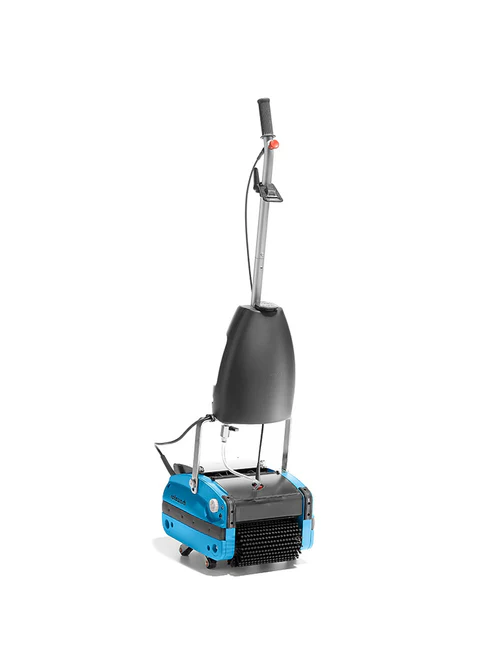
Machines
Rotowash R 20T
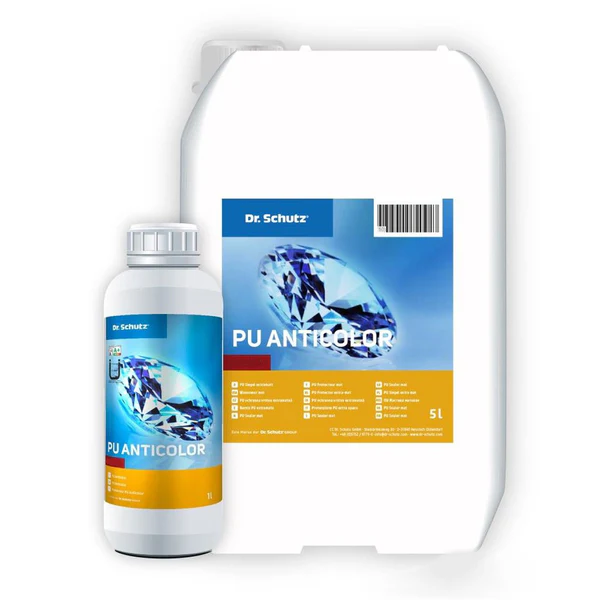
Chemical products
Dr. Schutz PU-Anticolor Satin 5l + 2x 0.5l Hardener
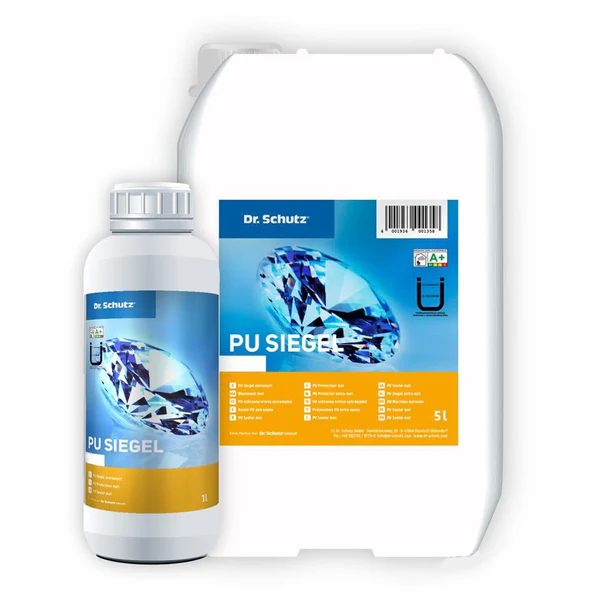
Chemical products
to the provider
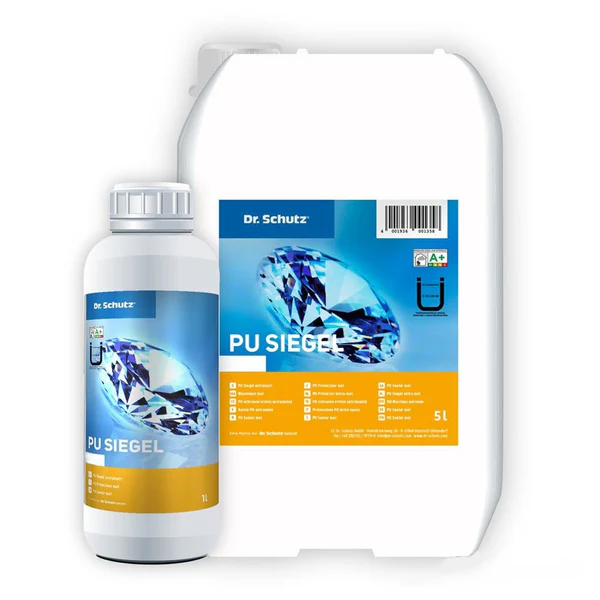
Dr. Schutz PU Sealant, Satin Finish, 5.5 l, including 500 ml cross-linking agen
Chemical products
to the provider
Dr. Schutz PU Sealant, extra-matt, incl. cross-linking agent, 5.5L
Machines
to the provider
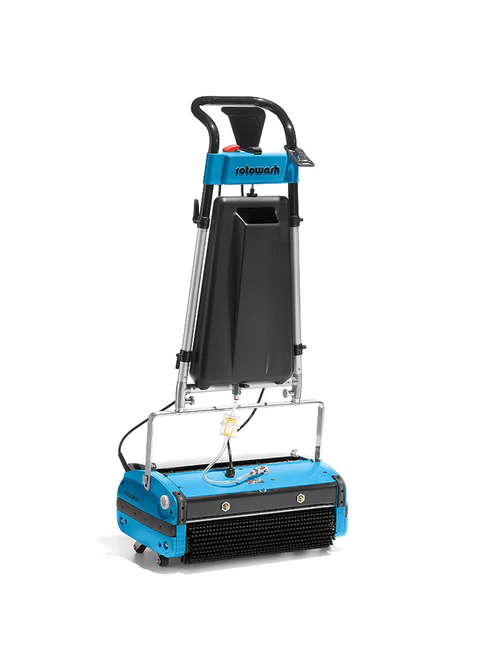
Rotowash R 45
Machines
to the provider
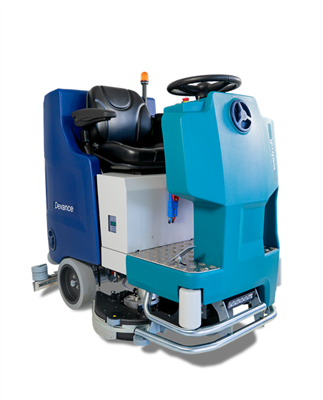
Wetrok Drivematic Devance
Machines
to the provider
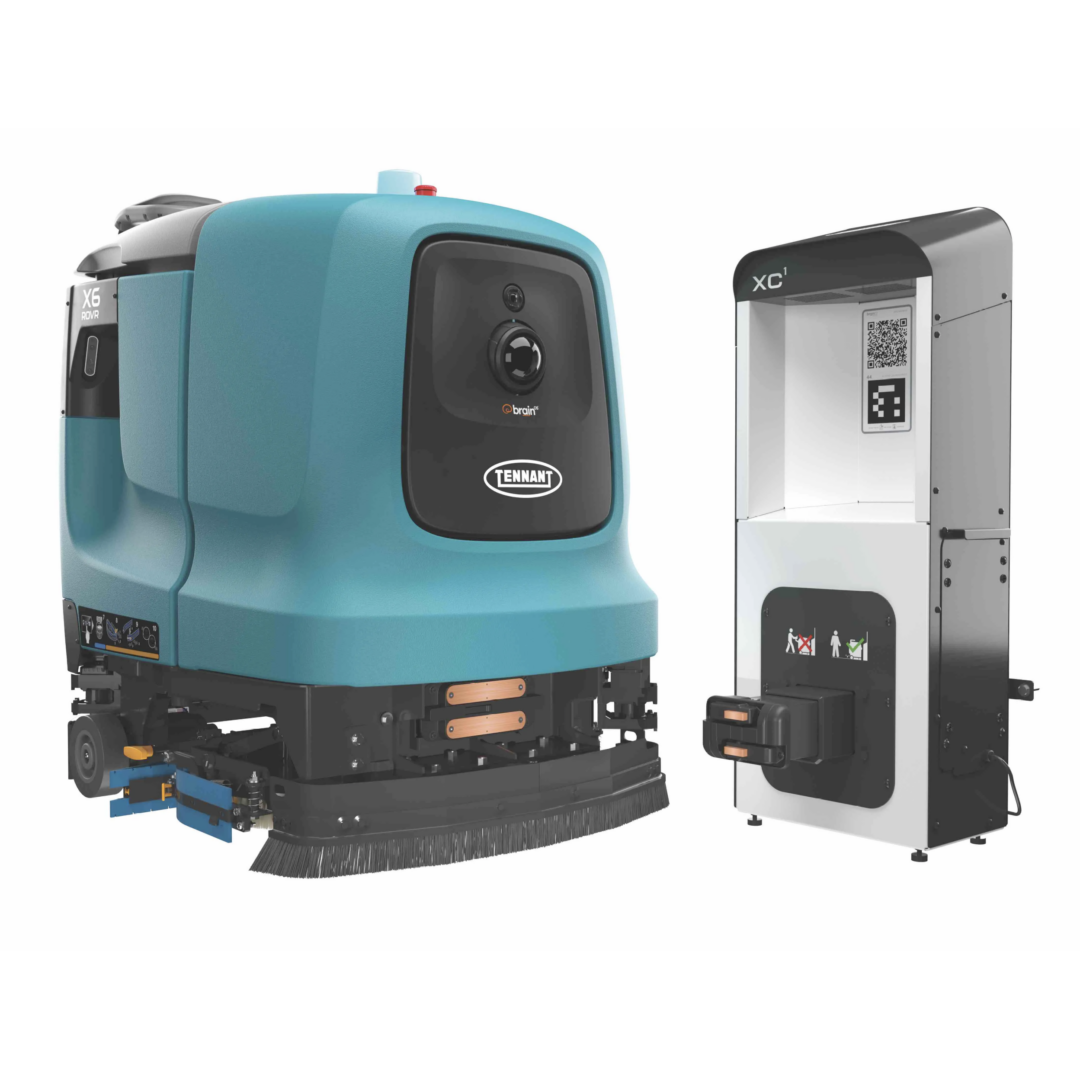
Tennant X6 ROVR
Machines
to the provider
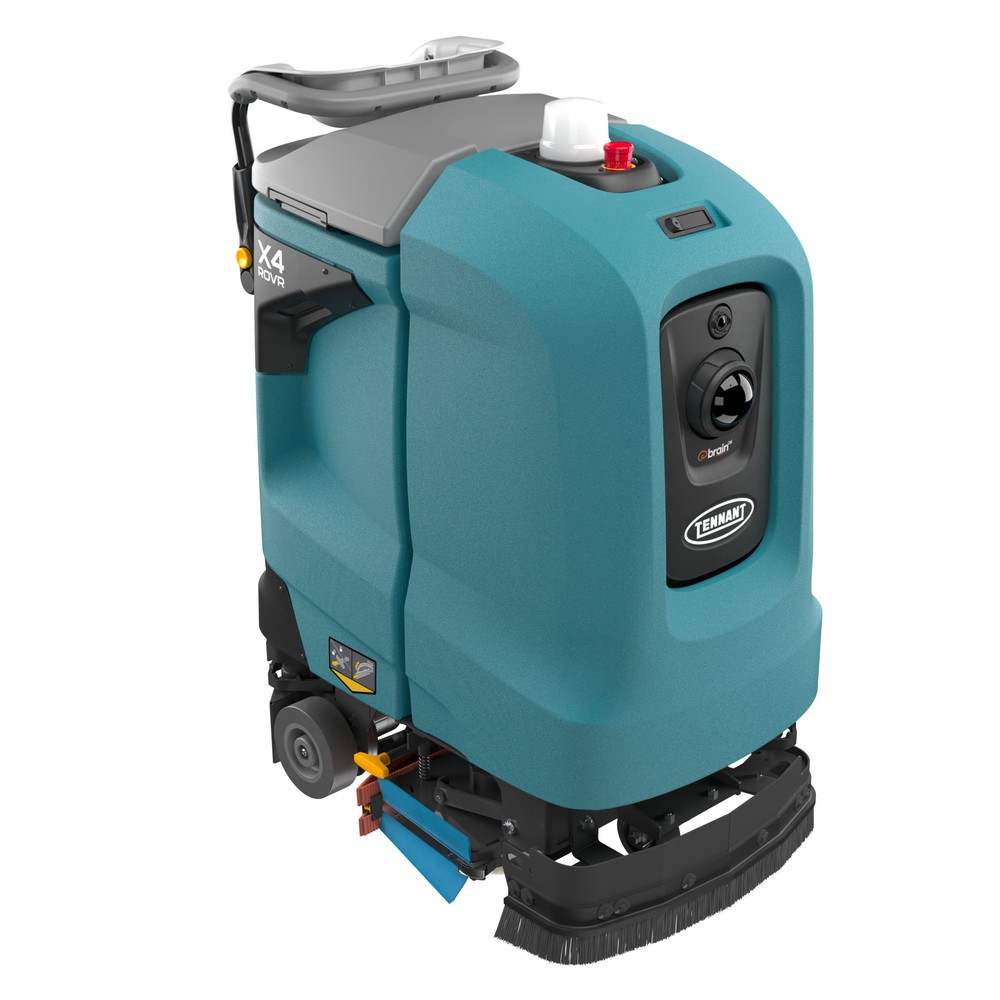
Tennant X4 ROVR
Machines
to the provider
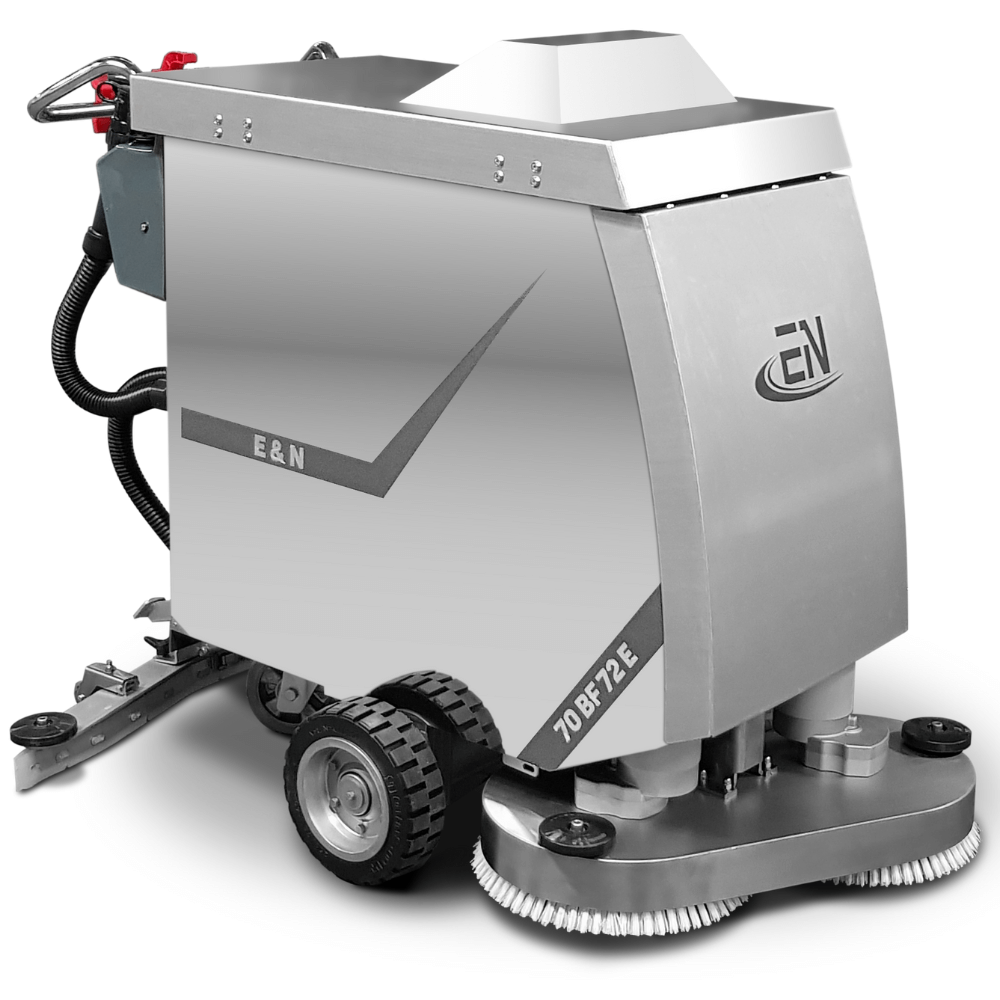
IPC EN Stainless Steel Scrubber Dryer 70 BF 72 E
Machines
to the provider
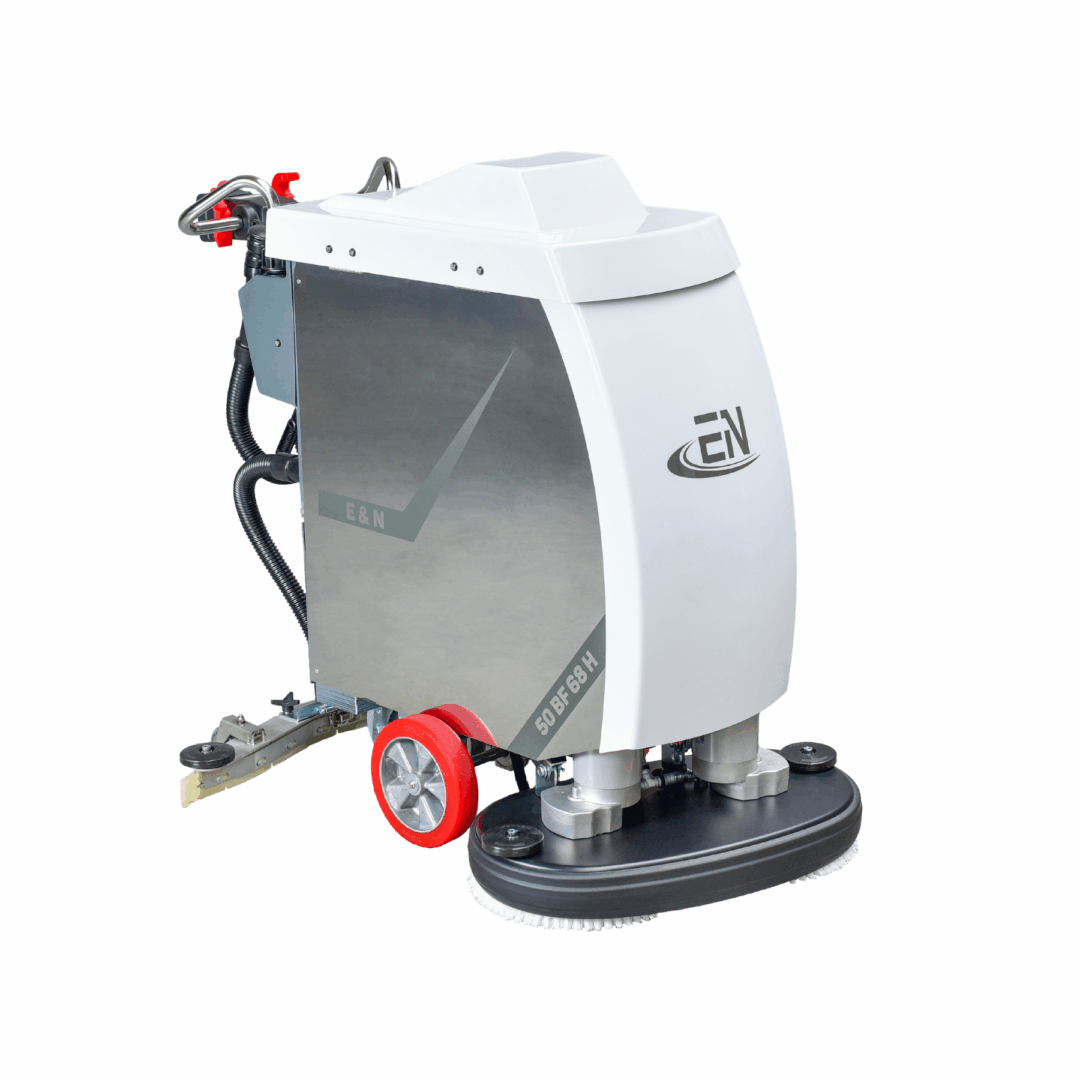
IPC EN Hospital Scrubber Dryer 50 BF 68 H
Machines
to the provider
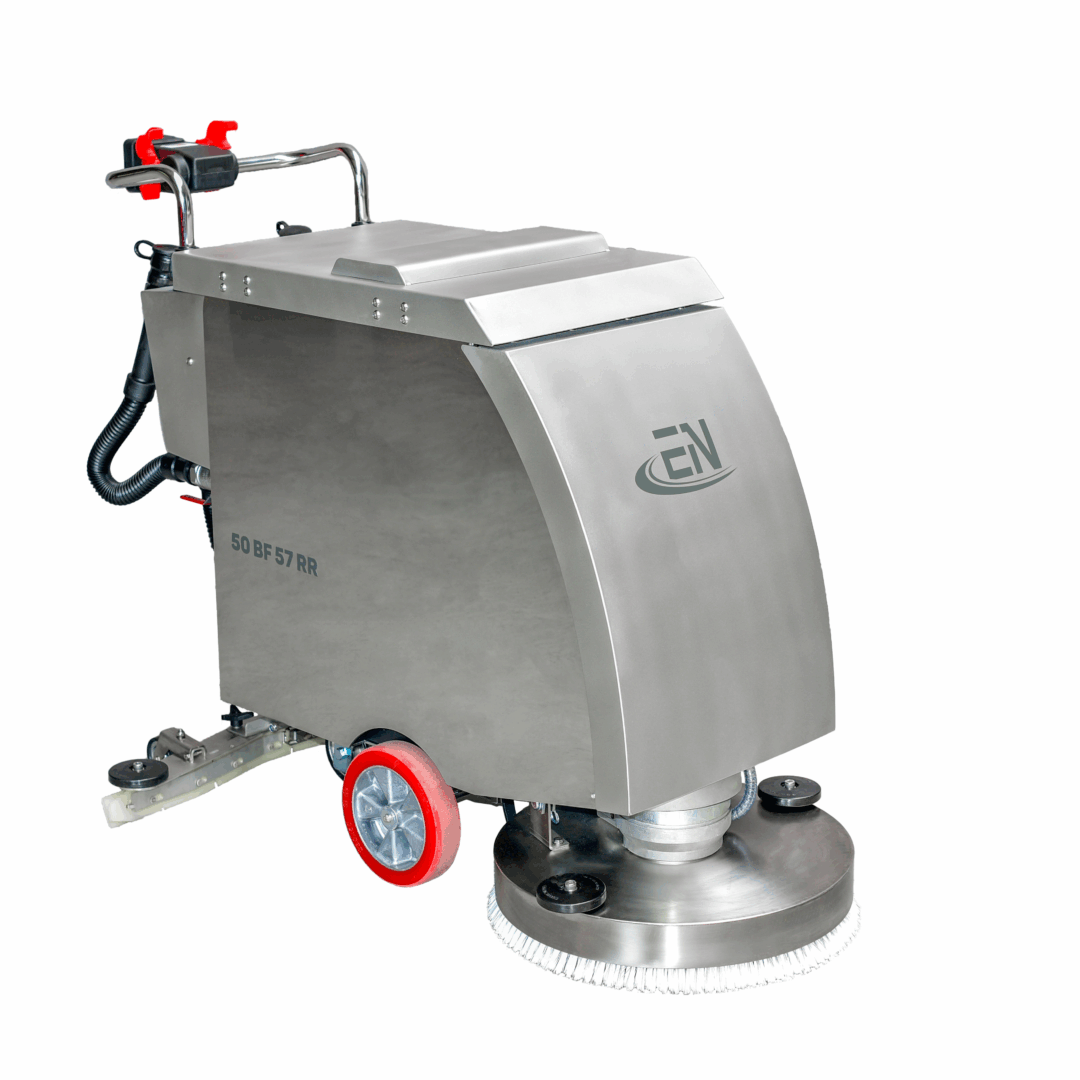
IPC EN Cleanroom scrubber-dryer 50 BF 57 RR
Machines
to the provider
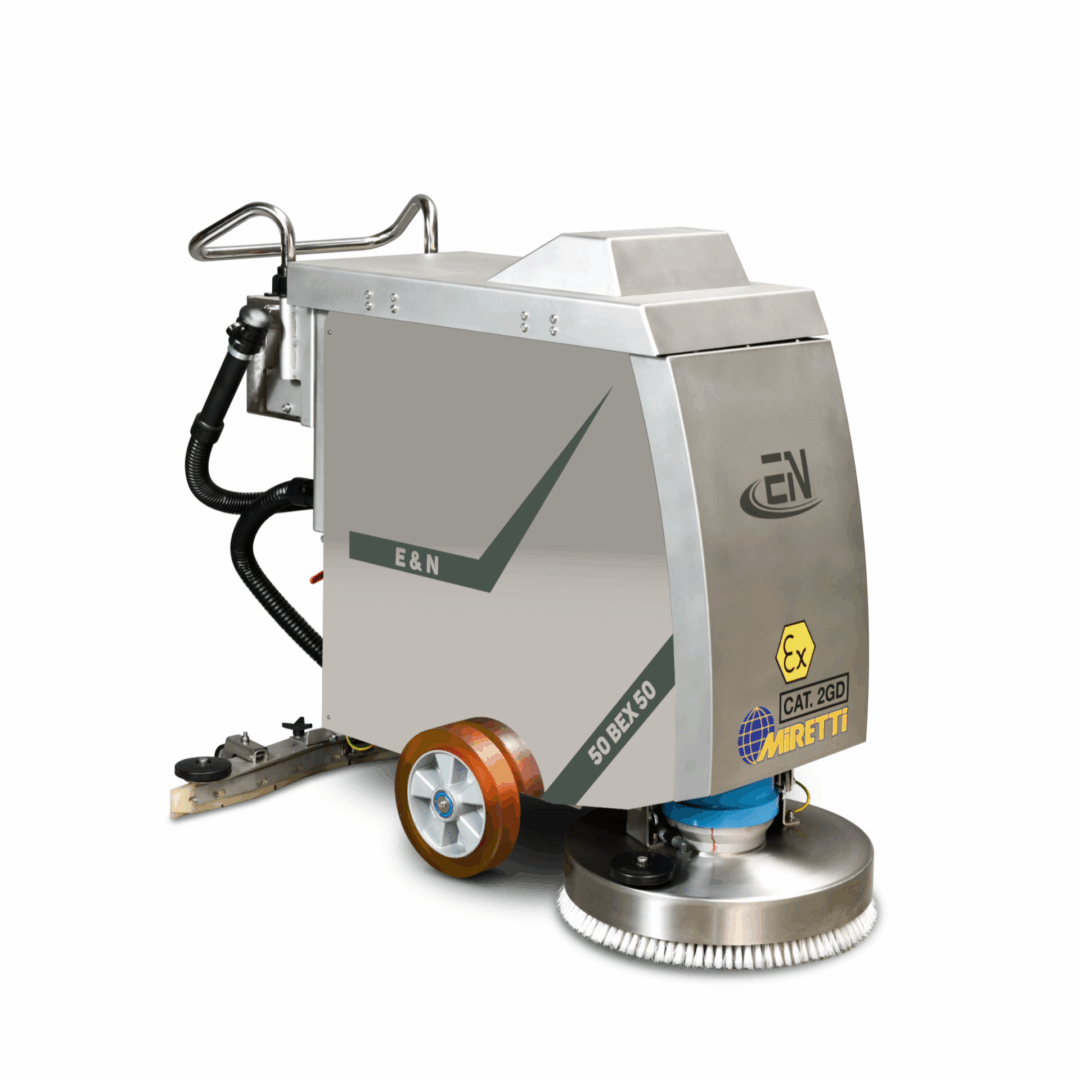
IPC EN Miretti Ex scrubber dryer 50 Bex 50 ATEX
Our platform partners share their knowledge and high-quality products on Hygieneforum.ch - we introduce our platform partners.
To the partnerships
Emergency
Hygiene emergency
Emergency
Hygiene emergency