

11.12.25
David Thöny on facts and myths in cleaning chemistry and the application of AI in development
David Thöny, Head of Chemical Development at Wetrok, explains what is really in our cleaning products. He clarifies why foam is not a sign of quality, why "chemical" does not mean the opposite of natural, and warns against overdosing. He also looks to the future and reveals whether artificial intelligence will soon take over development in the laboratory. In the interview, the expert provides simple answers and shows how our cleaning products are changing thanks to new, environmentally friendly raw materials.
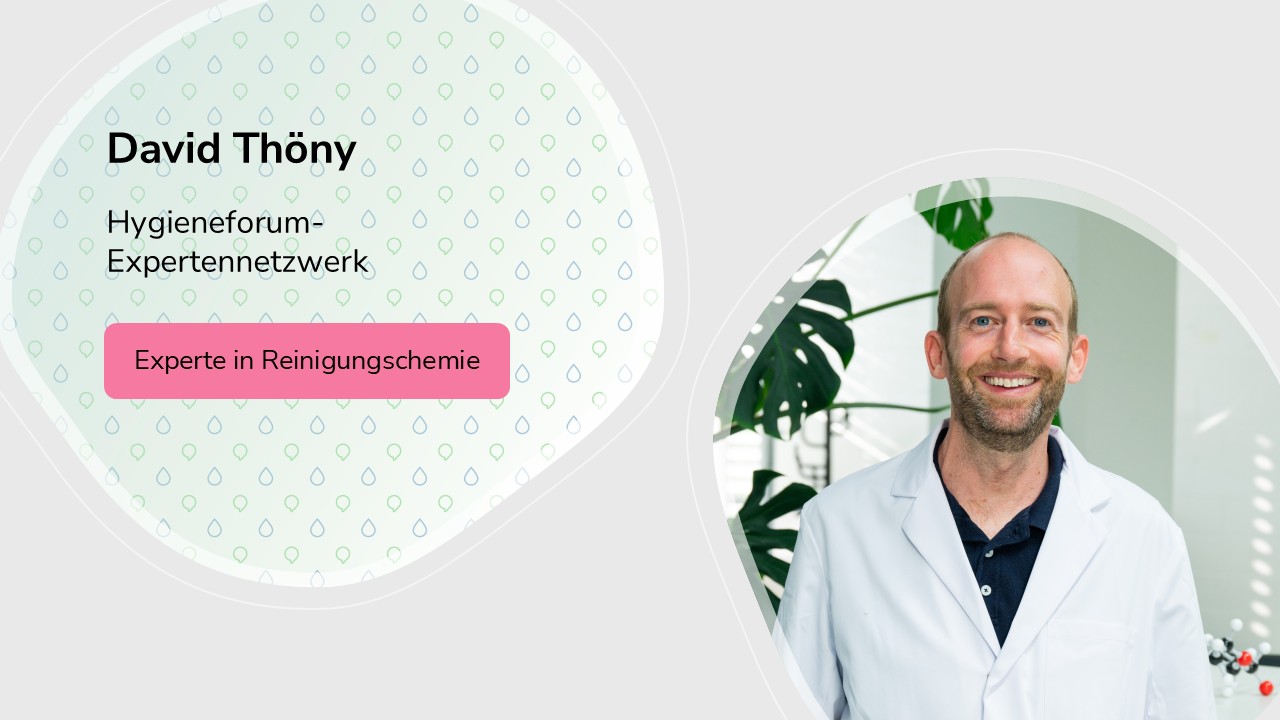
David Thöny is a proven expert with over ten years of experience as a development manager for cleaning chemicals and technical products. For the past two years, he has been head of the chemistry development department at Wetrok. Despite entering the cleaning industry by chance after previously working with metal coatings, he now has in-depth knowledge of ingredients, formulations and the classification and labelling of cleaning products. His fascination with his field lies in the direct practical benefits of the products and the opportunity to be involved in the entire development process. As a member of the board of SEPAWA Switzerland, he has an excellent professional network that enables him to closely follow dynamic market developments and the regulatory environment.
Mr Thöny, you have been working as a development manager for cleaning chemicals and technical products for over ten years. You have been head of the chemistry development department at Wetrok for two years. What originally drew you to this field, and what continues to fascinate you about it today?
I entered the cleaning industry rather by chance. After completing my training as a chemical laboratory assistant and studying at Zurich University of Applied Sciences, I gained my first professional experience in the development of metal coatings. This involved tin cans and deodorant sprays. At that time, I knew nothing about the world of cleaning chemicals, as this was not a subject covered in my studies or in my professional environment at the time. When I took up a position with a contract manufacturer a good ten years ago, I had no idea what a specialist field this would open up for me.
For me, there are many fascinating aspects to developing cleaning products: on the one hand, it is an activity with direct practical benefits, which is not always the case in chemistry. The products we develop are used by countless people every day and, hopefully, appreciated. We can also use them ourselves at home. As a developer, you have a direct influence on the composition and properties of the cleaners. We accompany the entire process from raw material selection to application and stability tests, production support and processing market enquiries after launch. Cleaning chemistry also has a wide range of applications with many specialities, which always ensure variety. Speaking of variety: the dynamic regulatory environment and changes in the market or among our suppliers also ensure that the work always remains exciting and challenging.
What role does your work at SEPAWA Switzerland play in your job?
The Association of Soap, Perfume and Detergent Professionals (SEPAWA) gave me a great start in the industry. To this day, it offers me the opportunity for professional exchange and a network of local and international specialists. The specialist conferences and annual congress ensure that I remain up to date and can cultivate personal relationships. Through my involvement on the board of the Swiss section, I want to enable others to benefit from this support too.
Raw materials in cleaning products
When we talk about cleaning products, many people think of the finished product, rarely the raw materials it contains. What are the most important raw materials in a cleaning product? Where do they typically come from?
This perspective is understandable: cleaning products all look very similar. Apart from their colour and scent, there is little to distinguish them from the outside. But there is much more to them than meets the eye.
The most important categories of raw materials are:
- Surfactants: These ensure good wetting, dirt absorption and the right foaming behaviour. There are countless different surfactants, and choosing the right one is one of the challenges in development.
- Acids and alkalis: While acids lower the pH, alkalis raise it, thereby contributing to the basic cleaning properties.
- Solvents: They support cleaning performance and drying behaviour.
- Additives: colourings, perfumes, thickeners, stabilisers and so on are present in small quantities, but have a major impact on the properties.
Not to be forgotten is water, which is contained in almost all products as an essential solvent.
It is difficult to give a general answer to the question of origin. Supply chains are global and complex. Raw materials often come from Asia, while processing takes place largely in Europe.
Are there differences between natural, synthetic and bio-based raw materials? What impact do these differences have on product properties and environmental performance?
This topic mainly concerns surfactants and solvents. Synthetic raw materials are based on petroleum fractions and have formed the historical basis of our industry since the first half of the 20th century. In bio-based raw materials, this petrochemical component is replaced by renewable components, usually palm or coconut oil. The chemical properties remain roughly the same, but the environmental balance improves in principle. I would describe natural raw materials as those produced from renewable raw materials through natural processes (e.g. fermentation). These are usually new substances whose properties can differ significantly from the other two classes (e.g. bio-surfactants).
Unfortunately, there is no simple answer to the question of environmental impact. It can vary greatly depending on the criteria considered. The CO₂ balance depends on the selected balance area and the reliability of the data, biodegradability has only a limited connection to the origin, and other factors such as land use must also be taken into account. However, the latest data already shows that second-generation bio-surfactants perform significantly better than other categories in life cycle analysis. The development of new technologies is paying off ecologically.
How do raw material quality and origin influence the effectiveness and safety of cleaning products for users?
The quality of raw materials is an important aspect. Any fluctuations in quality, impurities or undesirable ingredients can pose a risk. Fortunately, however, the industry is well regulated and we are able to work with reliable partners. The standards for suppliers and manufacturers are high and are continuously being updated. As these are easily specifiable products, their geographical origin is of secondary importance in terms of efficacy and safety.

David Thöny
Education: Chemical laboratory assistant; studied at Zurich University of Applied Sciences
Experience: Over ten years in the development of cleaning chemicals and technical products, previously in the development of metal coatings
Currently: Head of the Chemistry Development Department at Wetrok
Commitment and network: Member of the board of SEPAWA Switzerland, professional exchange and networking within the industry
network of experts: hygieneforum.ch/hygiene-experten/
Chemistry in cleaning
Chemistry is often perceived as “dangerous” or “unnatural” in everyday life. How would you classify this view?
It is somewhat undifferentiated and does not do justice to chemistry. Chemistry is the science of substances, their properties and their transformation into one another. Everything that surrounds us materially is ultimately chemistry. Nature is also based on chemical elements and processes. Chemistry is not unnatural – but it is potentially dangerous. There is a quote from Paracelsus: “Only the dose makes a thing not poisonous.” The aim in cleaning is also to balance benefits and risks in a sensible way. Ensuring safety when handling cleaning chemicals is crucial, and hazard symbols and warnings on labels help us to do this.
Which chemical principles play a role in the cleaning effect? Are there any simple rules of thumb?
There are a few basic rules that can help with application:
- Acids remove limescale: A low pH is necessary to dissolve limescale.
- Alkaline substances for greasy and oily stains: a high pH helps to dissolve these substances.
- The pH value allows a basic assessment of the effect. The scale ranges from 0 to 14. The closer to the edges, the stronger. But also more aggressive towards humans and materials!
- Solvent: Like dissolves like. If solvents are included, the range of effects is often broader.
- Foam is not necessarily a sign of quality: it can usually be adjusted individually and does not allow any conclusions to be drawn about a product’s cleaning performance.
What can users look out for in order to make the most of the benefits of chemistry?
The right choice of products is certainly crucial. The applications specified by the manufacturer define the area of use. A cleaning agent is only optimally effective in the area for which it is intended. Then the dosage is relevant: more is not always better. Overdosing is a common problem in practice. It can lead to poorer cleaning results or material damage and cause higher costs. A lot can also be achieved with the choice of method.
Are there any trends or innovations in the formulation of cleaning products that you find particularly exciting?
Due to the rapidly increasing focus on sustainable raw materials, there has been a lot of momentum in the raw materials market for some time now. There are genuine innovations with new sources of raw materials. What was previously only a topic of basic research can now quickly become commercially available. There are new players with exciting solutions. Being part of this development is also a personal pleasure for me.
Outlook & personal assessment
How do you see the future of cleaning chemicals? Will sustainability and “green chemistry” fundamentally change the industry?
I see this on two levels: on the one hand, I do not expect the properties and applications of cleaning chemicals to change fundamentally. On the other hand, their composition will change significantly as a result of the developments described above. Products that have become well established in recent decades will become less important. As developers, however, our goal is to keep their application and properties as close as possible to what users are accustomed to.
Will the use of AI influence the development of cleaning products?
Absolutely. Easy access to large and complex amounts of data helps with research and simplifies the path to problem solving. AI is a good source of ideas and will speed up processes. However, I do not expect AI to fundamentally change my work in the foreseeable future. The information generated is still too error-prone for that. The diverse, highly specific requirements for our products and the high probability of interaction between ingredients mean that critical, theoretical and practical verification in the laboratory is still necessary.
What would you like users or the general public to understand better about cleaning chemicals?
Experts and experienced individuals generally understand a great deal. They may not know the ingredients and their functions, but they know which product works where. And that is the most important thing.
As a developer, I naturally want people to recognise the diversity, effectiveness and complexity of cleaning chemicals. A modern “cleaning product” is much more than you would assume from the outside.
Anzahl Likes:0
Share post
Knowledge articles from this category


Suitable offers
Machines
to the provider
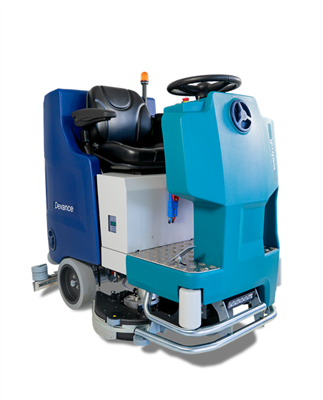
Wetrok Drivematic Devance
Machines
to the provider
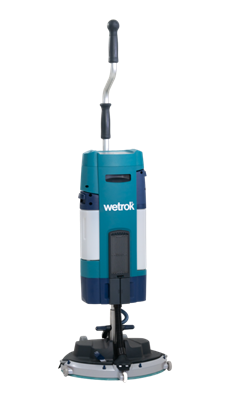
Wetrok Spin BeFree

Cleaning material
to the provider
Wetrok Masslinn 2000 Rolle
Textiles
to the provider
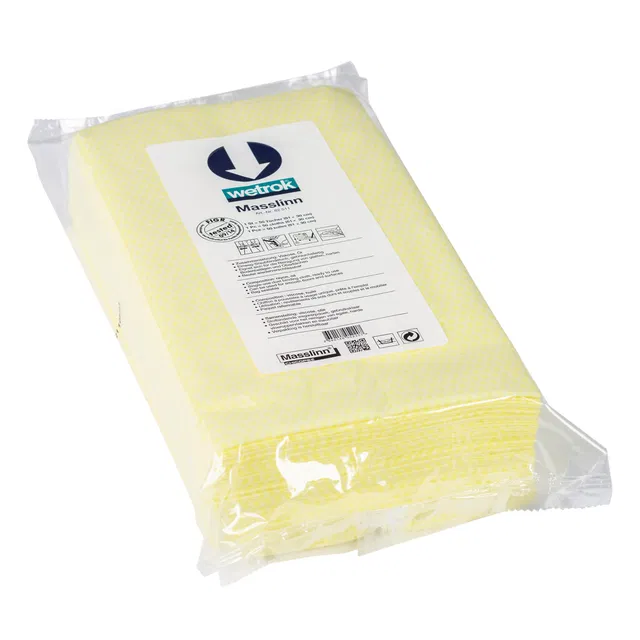
Wetrok Masslinn gelb
Cleaning material
to the provider
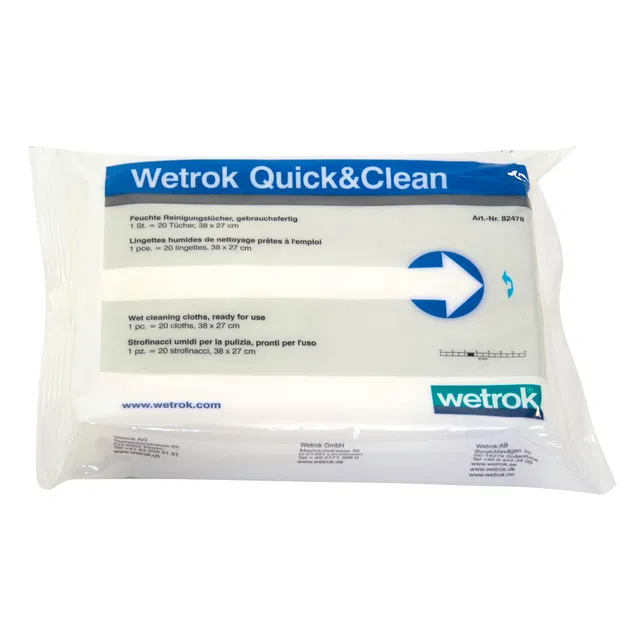
Wetrok Quick&Clean 20
Textiles
to the provider
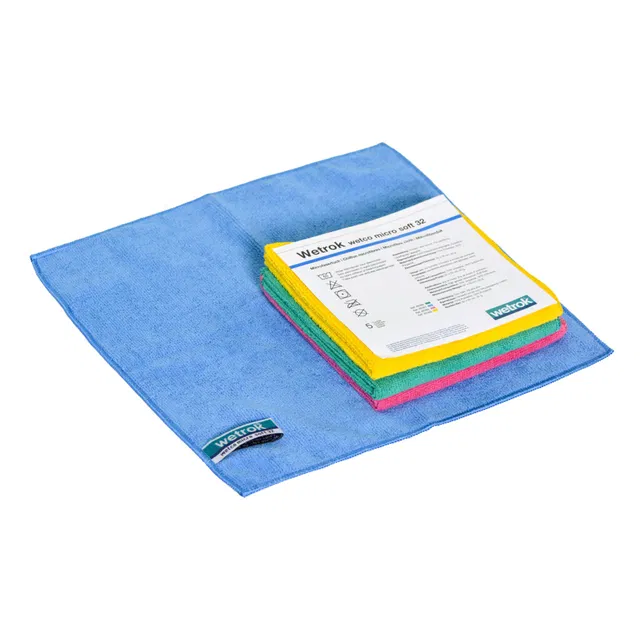
Wetrok wetco micro soft blau

Textiles
to the provider
Wetrok Microbrush-mop 260
Chemical products
to the provider
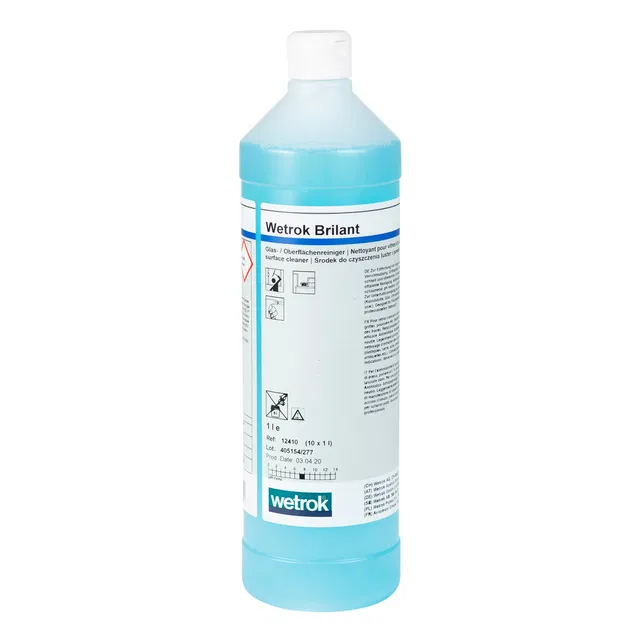
Wetrok Brilant
Chemical products
to the provider
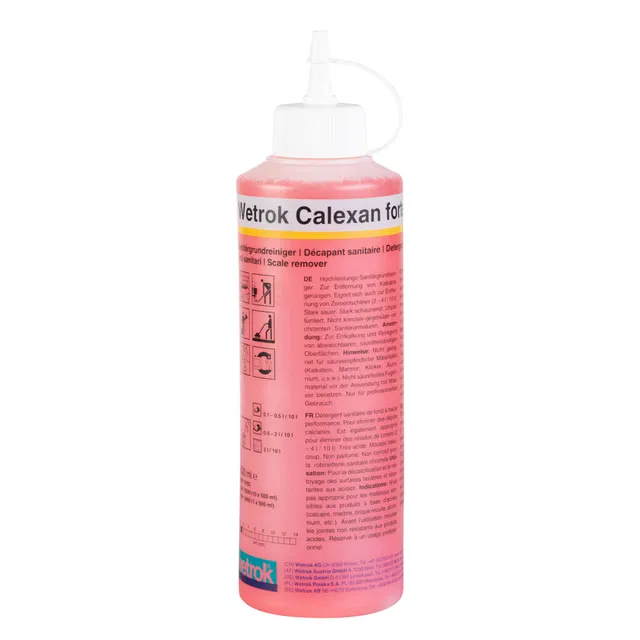
Wetrok Calexan forte
Chemical products
to the provider
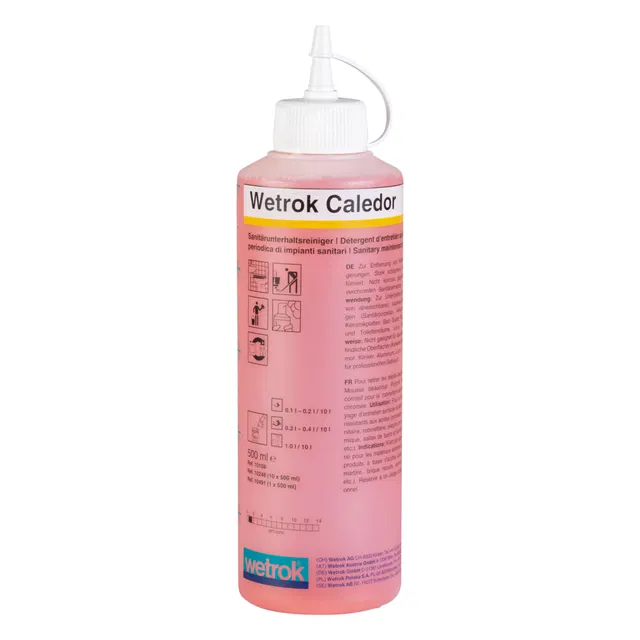
Wetrok Caledor
Chemical products
to the provider
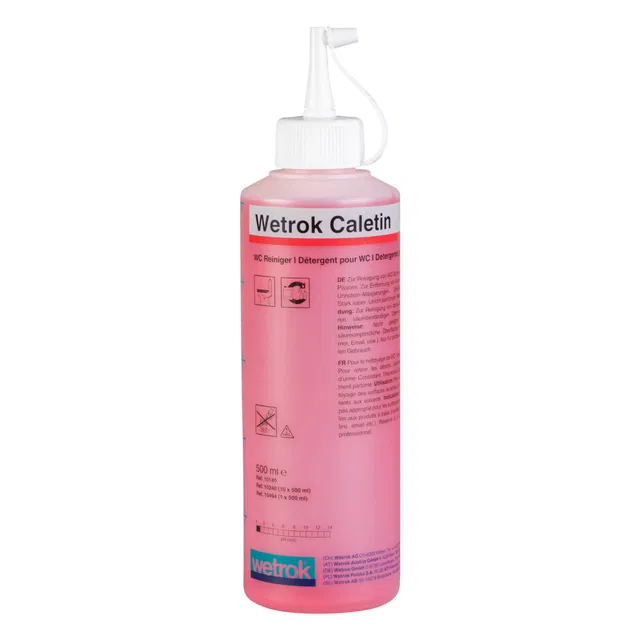
Wetrok Caletin
Chemical products
to the provider
Wetrok Antiwax forte
Our platform partners share their knowledge and high-quality products on Hygieneforum.ch - we introduce our platform partners.
To the partnerships
Emergency
Hygiene emergency
Emergency
Hygiene emergency