

31.03.26
How far has the digitalisation of hygiene processes in professional kitchens in Switzerland progressed?
Digitalisation in professional kitchens aims to achieve stable, standardised processes and greater control: which processes run smoothly, where do deviations occur, and how can they be identified, documented and improved with as little effort as possible? In professional kitchens – from the hospitality sector through to care and industry – pressure is mounting from several directions at once: stricter requirements, staff shortages, cost pressures and growing demands for hygiene and process safety. The HACCP (Hazard Analysis and Critical Control Points) concept has formed the basis of food safety for decades. In practice, however, manual documentation, spot checks and paper-based checklists reach their limits, particularly in complex operations or across multiple sites.
In many sectors, when teams are working under time pressure, they often focus more on being able to prove that they have complied with hygiene measures than on actually implementing those measures thoroughly. This is precisely why digital records are becoming increasingly important, not only in the kitchen but throughout the entire hygiene chain (cleaning, logistics, storage, traceability).
What is the situation like in different sectors?
- Catering & Chain Restaurants: High throughput, large staff numbers, rotating shifts. Digitalisation is used to ensure that standard processes (cleaning, temperature control, dishwashing hygiene) are consistent across all sites and to make audit documentation available ‘at the touch of a button’.
- Hospitals, care homes & care services: Particular emphasis on hygiene and liability issues. Often, several sets of regulations apply simultaneously (e.g. internal hygiene plans, regulatory requirements, certifications). Digital records reduce room for interpretation and facilitate training & monitoring.
- Industry: Larger facilities, clearly defined processes, but complex interfaces (goods receipt, production, packaging, cleaning). Process stability is paramount here: continuous measurement data, trend analyses and clear escalation procedures in the event of deviations.
- Education (schools, canteens): Budgetary and staffing pressures, with peak periods often seeing high workloads. Digital checklists and automated logs ease the workload and help maintain standards despite changing teams.
- Retail / Takeaway / Convenience: Numerous branches, short distances, high expectations regarding consistency. Digitalisation is used to manage branch compliance: what was cleaned, checked and documented, and when; and where are there patterns of non-compliance?
This development delivers clear added value for operators and quality managers: when hygiene data, cleaning schedules and machine performance metrics are recorded consistently, performance, quality and compliance can be demonstrated transparently. At the same time, it makes coordination within the team easier (e.g. which areas have been cleaned and when, where complaints are most frequent, and which sites require additional training).
Digital solutions provide the foundation for this: through continuous data collection, automatic analysis and transparent reporting, HACCP-relevant processes can be monitored more precisely and risks identified at an earlier stage, without creating additional paperwork in day-to-day operations.
Digitalisation as a complement to the HACCP system
It is important to note that digital solutions do not replace HACCP; rather, they support and reinforce it. HACCP remains a preventive system based on the identification of critical control points (CCPs). This is precisely where digital tools come in, by automatically recording and analysing critical parameters (e.g. temperatures, cycle times or consumption data). This is particularly relevant because it allows cleaning quality and process hygiene to be better defined, documented and continuously improved.
Compared to manual checks, there are several advantages:
- Continuous monitoring rather than spot checks: Processes are monitored continuously, not just on an ad hoc basis.
- Objectivity: Measured values replace subjective assessments.
- Traceability: Data is documented in an audit-proof manner and can be accessed at any time.
- Early detection: Deviations can be identified before they lead to hygiene or quality risks.
This transparency is particularly crucial in areas such as industrial dishwashing, a process that is often underestimated but is relevant to HACCP.
Digital monitoring of hygiene-critical processes: the example of dishwashing
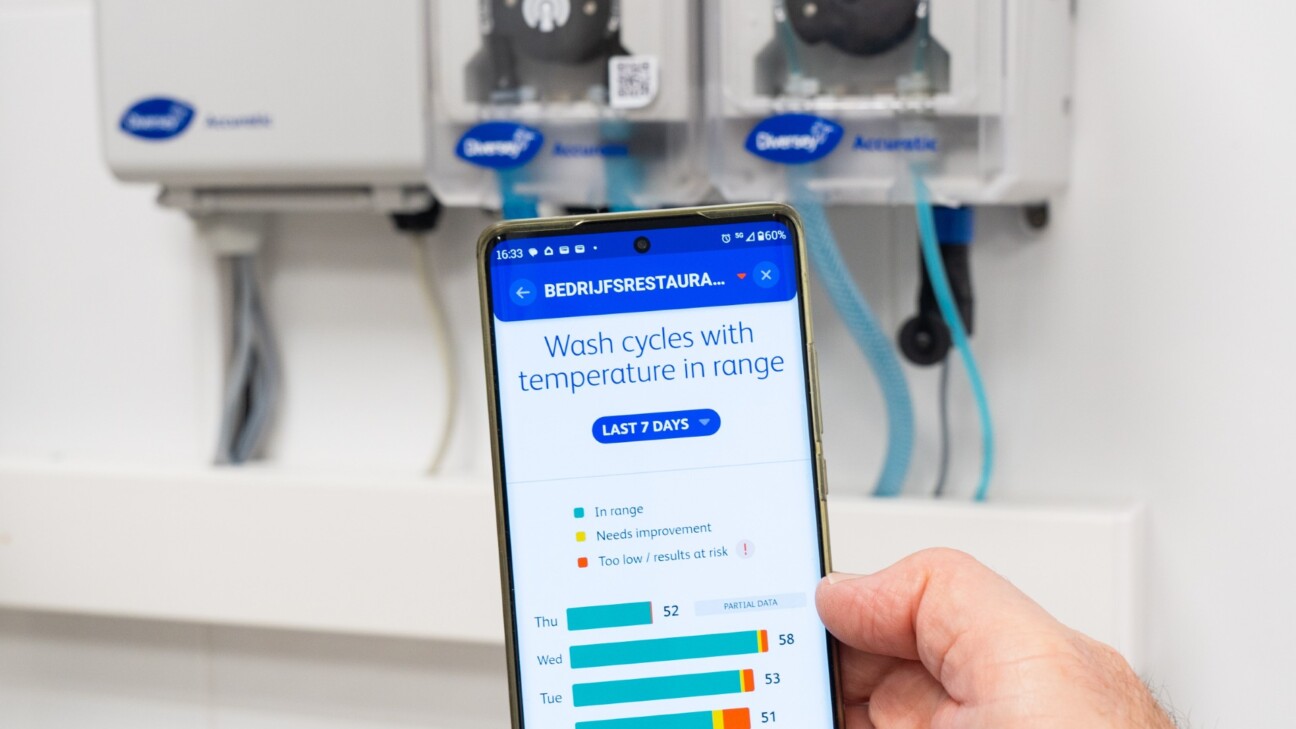
Modern digital systems in the kitchen environment record key hygiene KPIs (e.g. washing/rinsing temperatures or water, energy or chemical consumption) and analyse this data in a structured manner.
For the HACCP system, this means:
- Better control of critical limits (e.g. temperatures falling below or exceeding set limits)
- Corrective actions when processes fall outside defined tolerances
- Support for internal and external audits through clear, digital evidence
The focus here is not on technology for technology’s sake, but on the question: What data helps kitchen managers to manage risks more quickly and ensure good washing results?
Added value for the organisation, staff and management
One aspect of digitalisation that is often underestimated is the reduction in workload for staff. Automated data collection cuts down on manual documentation and reduces the risk of errors. At the same time, kitchen managers and quality control officers are provided with a fact-based basis for decision-making, regardless of experience, shift or location.
Particularly for businesses with multiple kitchens, the digital consolidation of data enables a new level of management: discrepancies can be compared and training needs identified.
Conclusion
The ongoing digitalisation is fundamentally transforming hygiene processes in professional kitchens and offering new opportunities for greater transparency and safety. Digital technologies make it possible to continuously record relevant data, standardise procedures and identify risks at an early stage. Automated documentation minimises sources of error and provides long-term support for compliance with legal requirements and internal standards. Overall, the digital transformation creates a solid foundation for reliably meeting hygiene and quality requirements whilst reducing the workload for staff. In this way, organisations, employees and management alike benefit from more efficient processes and improved traceability.
Anzahl Likes:0
Share post
Knowledge articles from this category


Suitable offers
Machines
to the provider
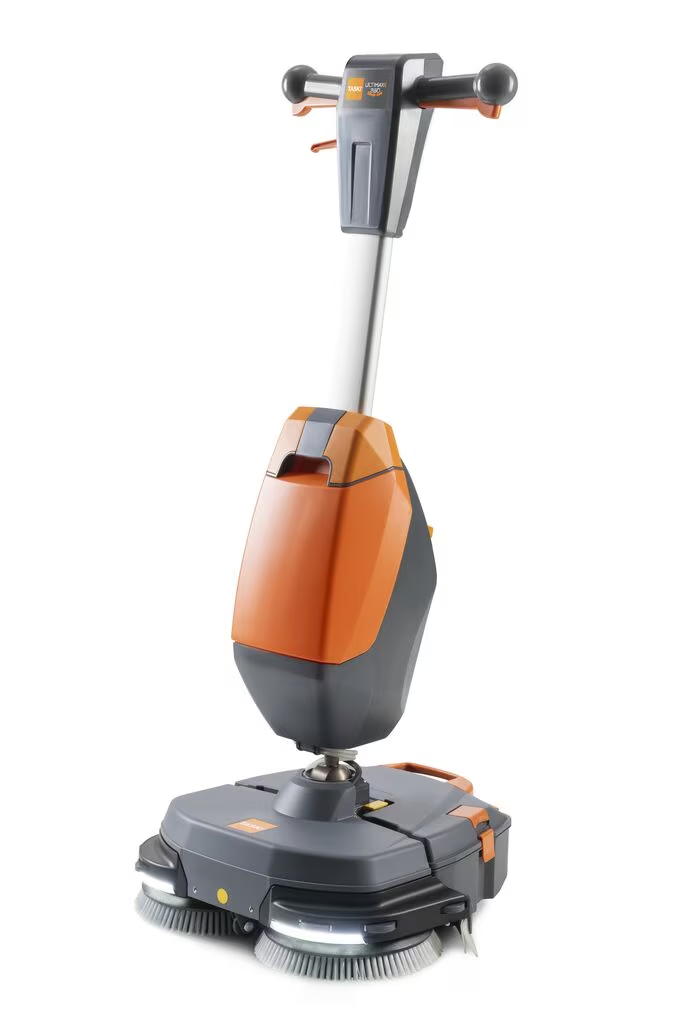
TASKI ULTIMAXX 360
Washroom
to the provider
Diversey Lesseau
Machines
to the provider
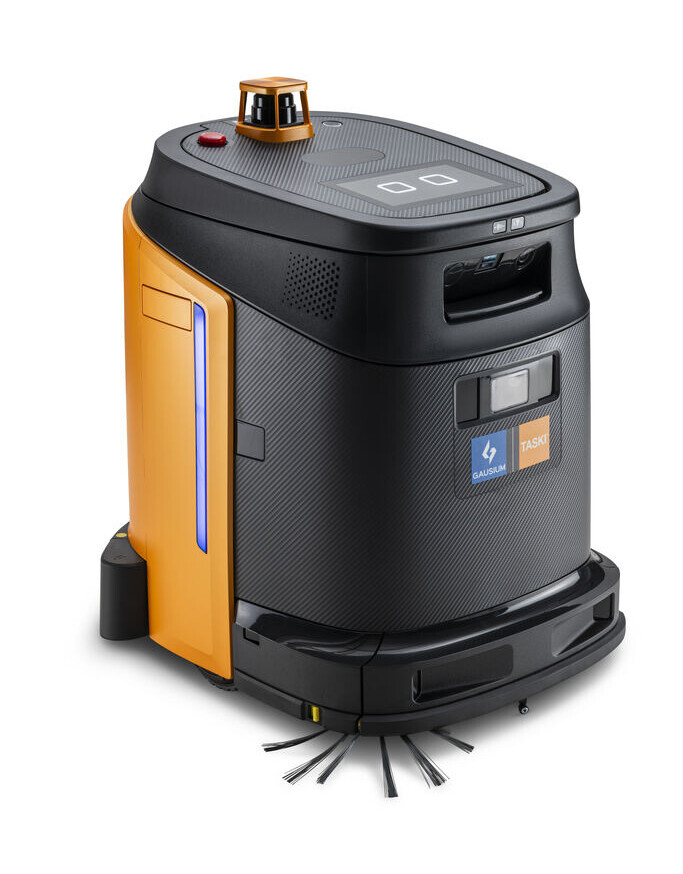
TASKI Phantas

Disinfectant
to the provider
Diversey Oxivir Excel Wipe 12x100pcs
Chemical products
to the provider
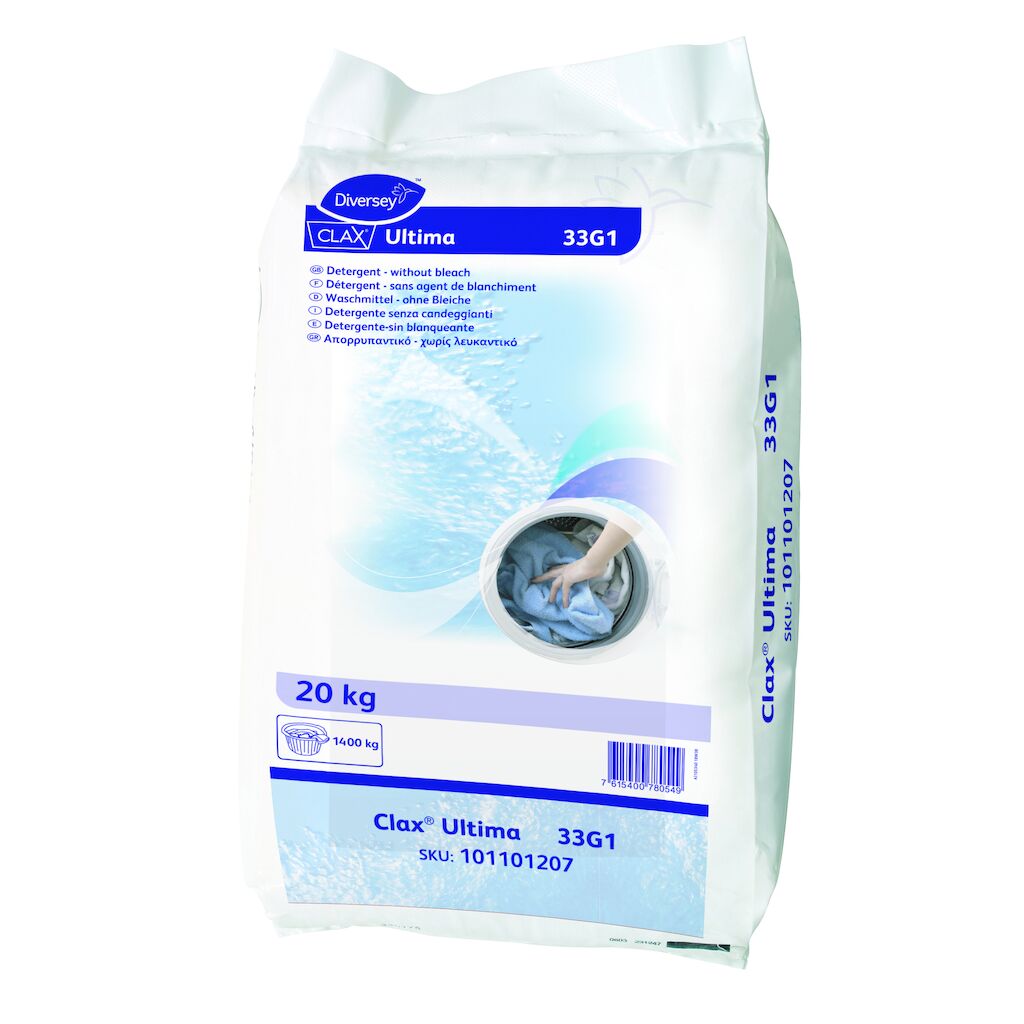
Diversey Clax Ultima 33G1 20kg
Machines
to the provider
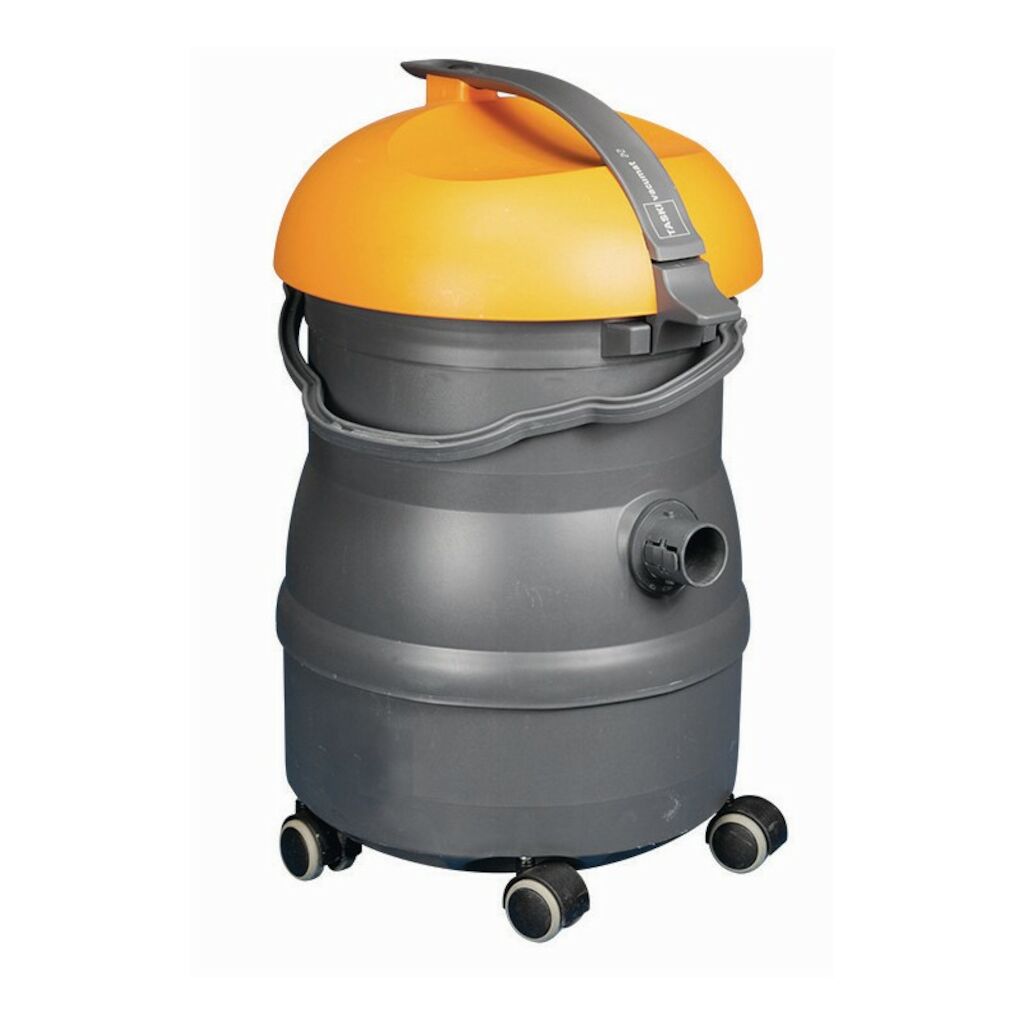
TASKI vacumat 22 – Powerful wet and dry vacuum cleaner for medium-sized areas
Machines
to the provider
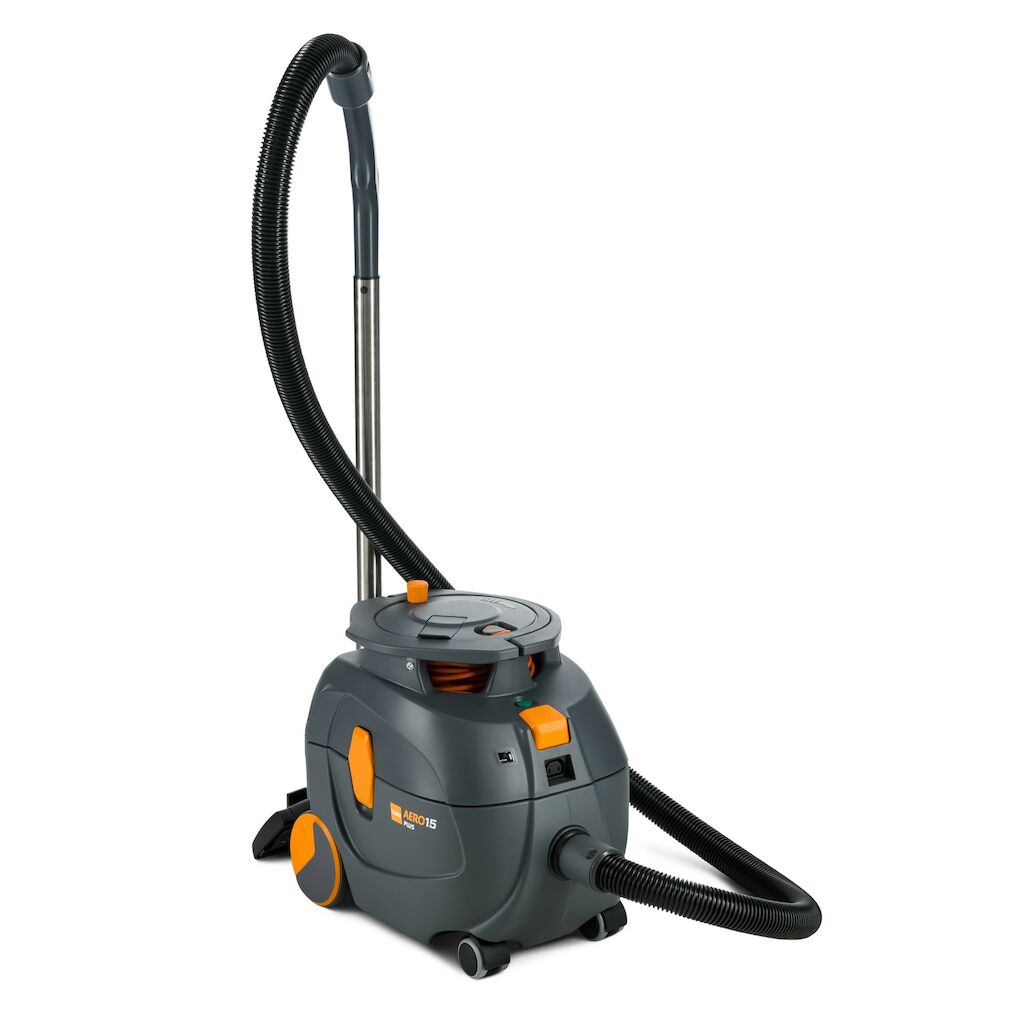
TASKI AERO 15 PLUS – Quiet and ultra economical boiler vacuum cleaner
Machines
to the provider
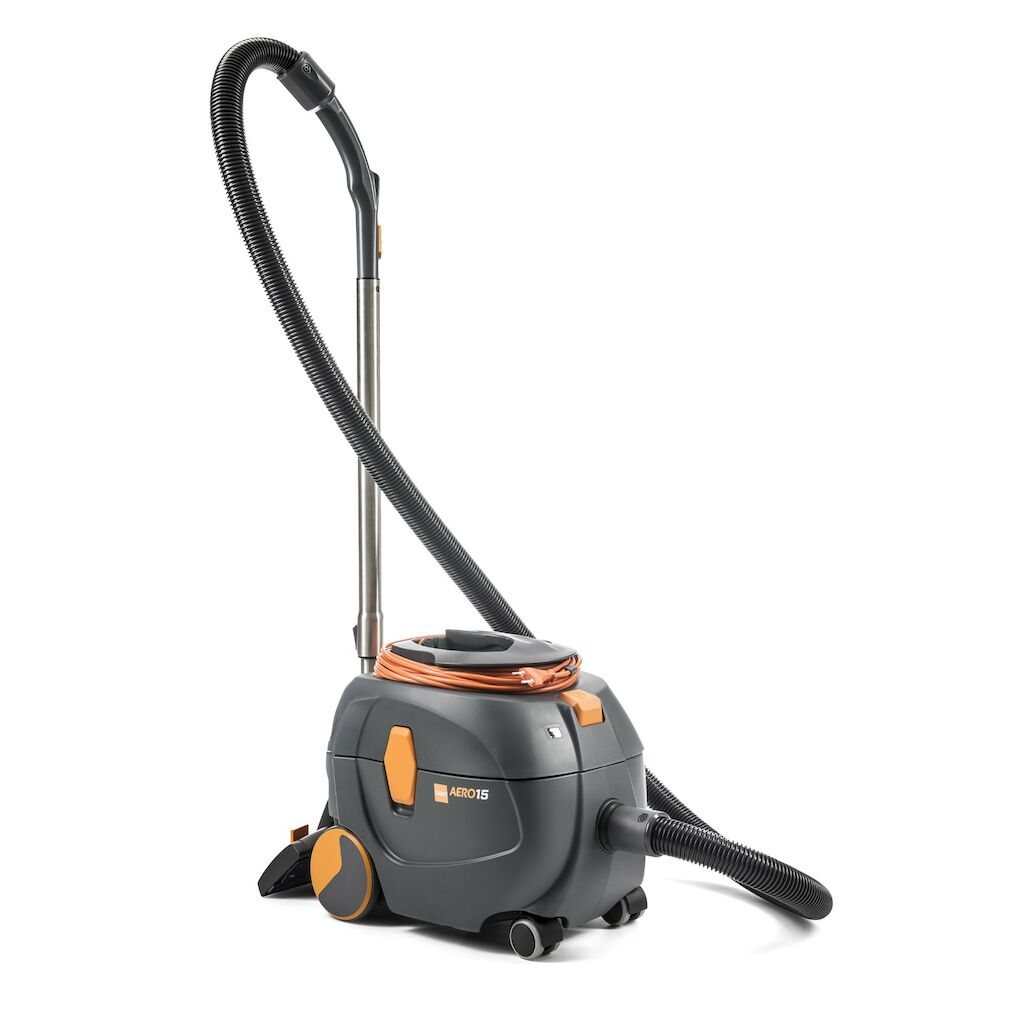
TASKI AERO 15 – quiet and ultra economical boiler vacuum cleaner
Machines
to the provider
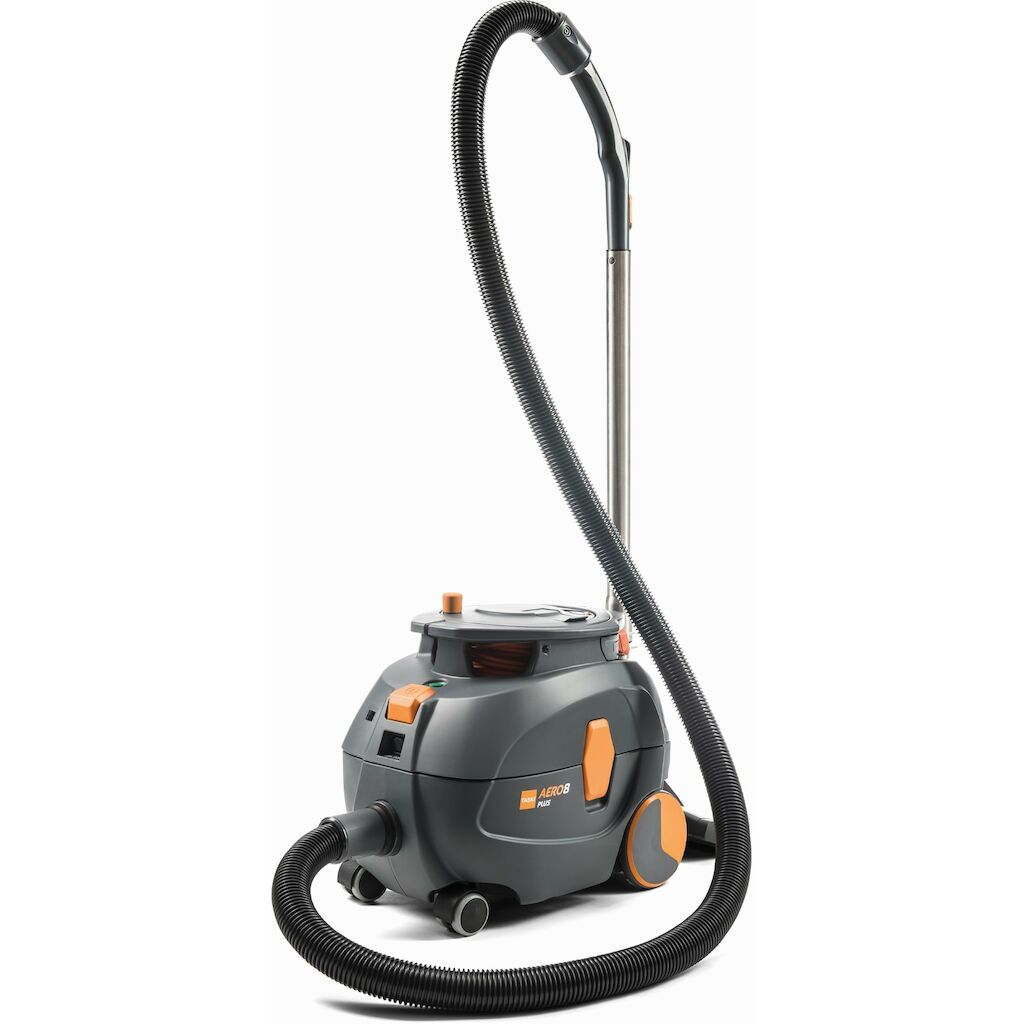
TASKI AERO 8 PLUS – quiet and ultra economical boiler vacuum cleaner
Machines
to the provider
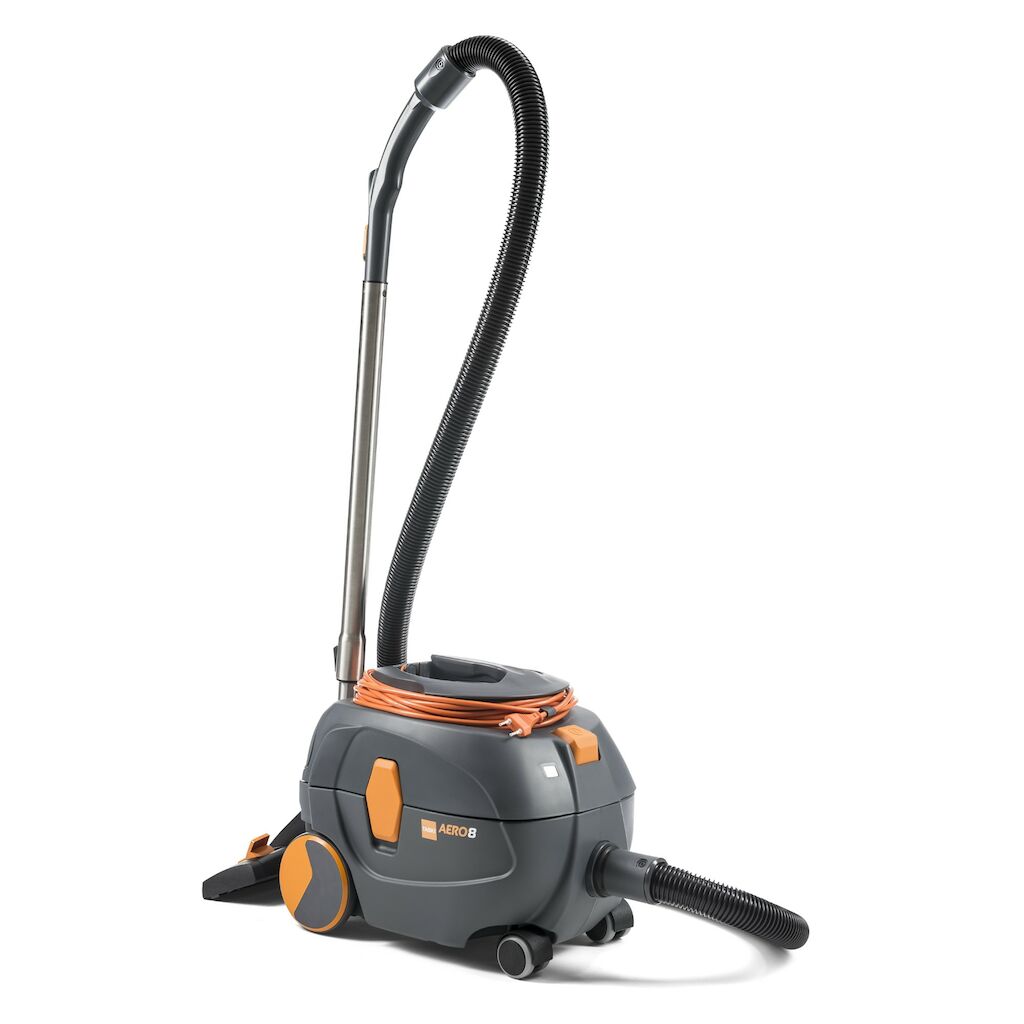
TASKI AERO 8 – Quiet and ultra economical boiler vacuum cleaner
Machines
to the provider
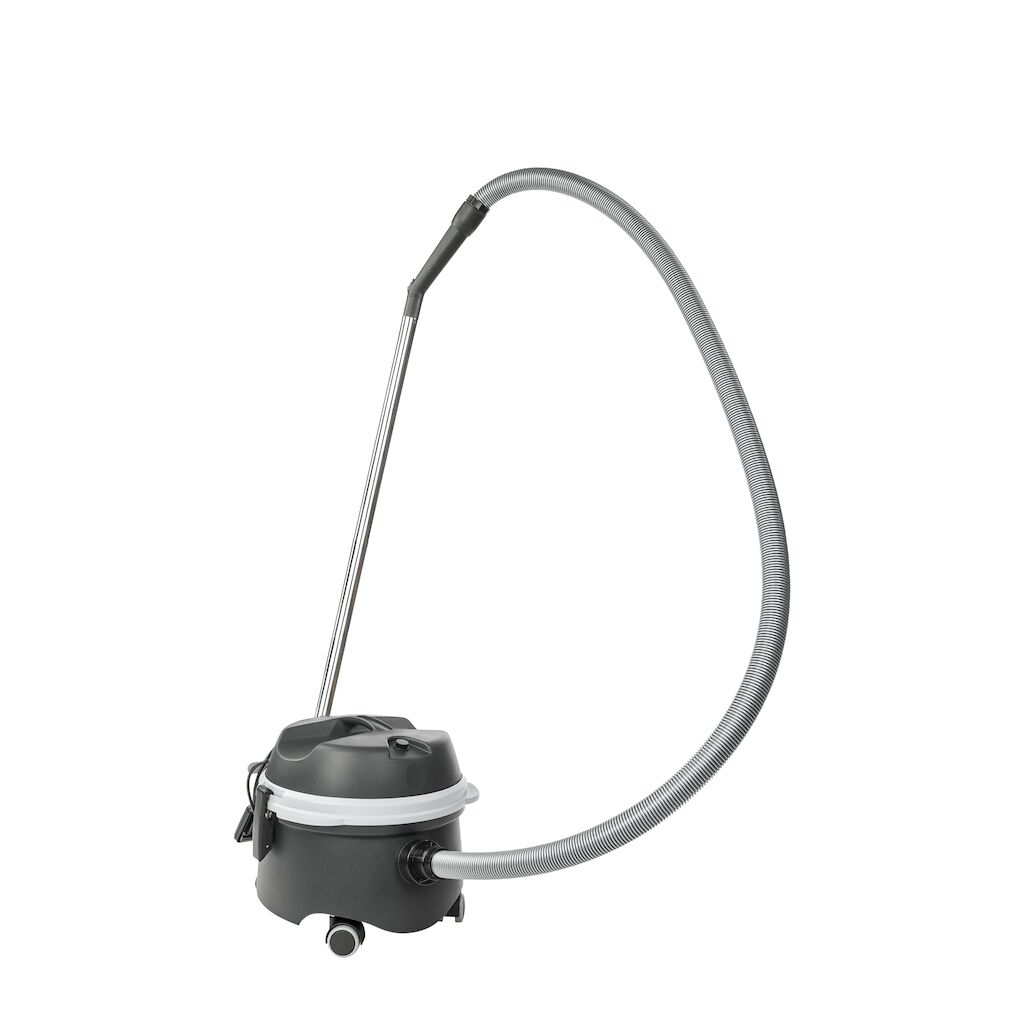
TASKI go – compact and affordable boiler vacuum cleaner
Machines
to the provider
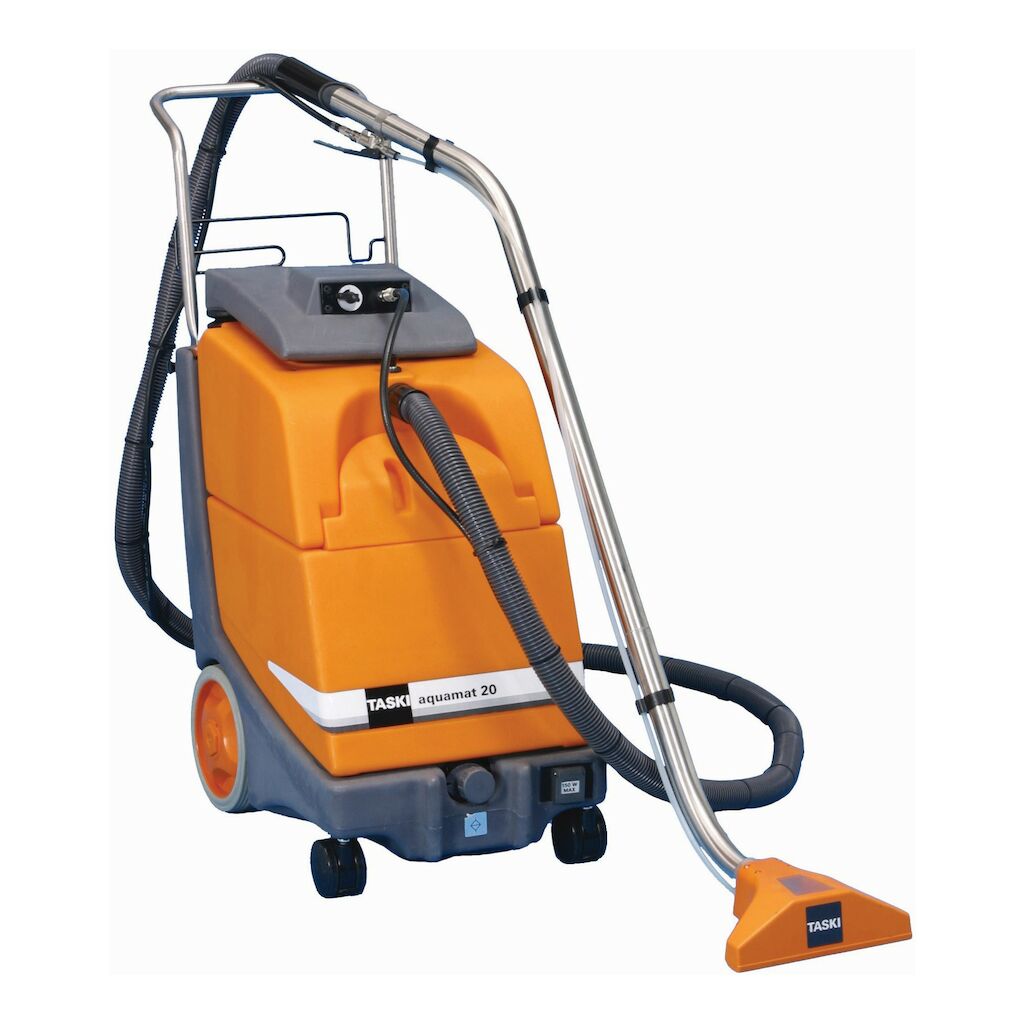
TASKI aquamat 20
Our platform partners share their knowledge and high-quality products on Hygieneforum.ch - we introduce our platform partners.
To the partnerships
Emergency
Hygiene emergency
Emergency
Hygiene emergency