

22.12.25
Pests in the city: what 30 years of Zurich data reveal about real and perceived hygiene risks
Imagine a tenant reports "cockroaches in the kitchen". The caretaker alerts the pest control company, biocides are used, the kitchen is closed for days, and in the end it turns out that it was just harmless amber wood cockroaches that flew in from outside in the autumn. Scenarios like this cost money, cause stress and sometimes unnecessarily undermine the trust of residents.
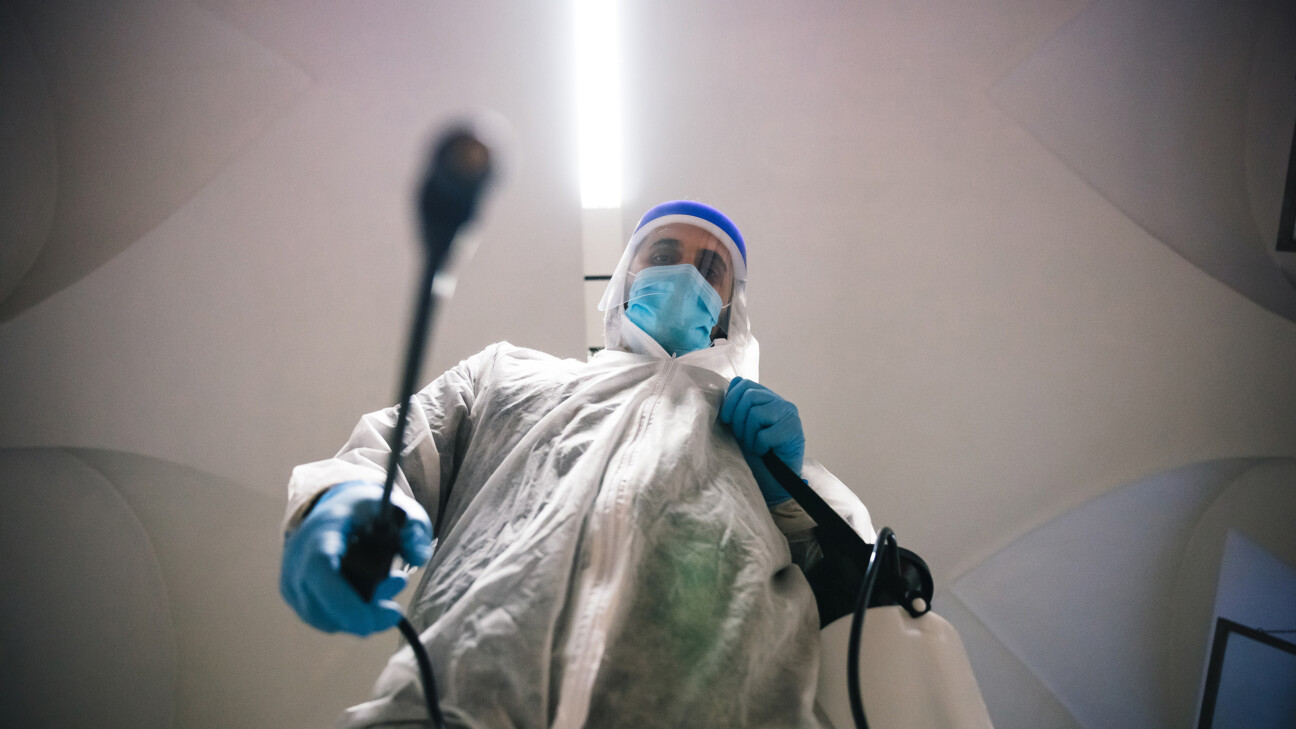
This is precisely where the City of Zurich’s Urban Pest Advisory Service (UPAS) comes in, providing information and advice. For over 30 years, it has been the most accurate long-term observation of urban pests in Switzerland. The data shows a changing situation in the city of Zurich.
The good news: classic hygiene pests are on the decline
German cockroaches, food moths and other pests are reported much less frequently thanks to improved cleaning, airtight construction, gel baits and professional pest control. In the case of cockroaches, reports have fallen fivefold since the 1990s.
Confusion instead of infestation: The sharpest increase in reports in Zurich concerns the amber forest cockroach (Ectobius vittiventris). This native species lives outdoors in leaves and shrubs and only enters buildings in late summer/autumn, usually through open windows or warm facades. It is completely harmless, but is often visually confused with the German cockroach, which is a genuine hygiene pest. This results in costly false alarms. Since UPAS began providing targeted information and identification aids, these false reports have decreased noticeably.
The real challenge: bedbugs are back and resistant
While cockroaches are declining, reports of bed bugs are rising sharply across Europe and Switzerland (in Zurich from around 15 to over 80 cases per year). Travel and second-hand furniture are the main carriers. Particularly affected are hotels, nursing homes, student residences and asylum shelters. Bed bugs are not a “dirt problem” but a logistics and coordination problem. Many populations are now resistant to traditional insecticides. Sprays from DIY stores often make the problem worse.
The most hygienic and effective solution is controlled heat treatment: heating to over 50–60 °C for several hours reliably kills all stages (including eggs) without leaving any toxic residues. Ideal for hygiene zones, mattresses, nursing beds and commercial kitchens. The method is fast, documentable and is much better accepted by residents and guests than chemical methods.
What this means in concrete terms for hygiene, cleaning and FM
- Correct determination before any action is taken → saves 30–50% of the costs involved
- Clear reporting procedures and training for staff (caretaker, cleaning, reception) prevent panic and unnecessary interventions.
- Heat treatment instead of poison as standard in sensitive areas
- Regular monitoring (e.g. pheromone traps for cockroaches, bedbug traps in high-risk areas)
- Transparent communication: “We’ve got this under control” works better than covering things up.
Sources
https://www.researchgate.net/publication/237522032
https://www.researchgate.net/publication/266172821
https://www.mdpi.com/2075-4450/14/10/798
https://www.researchgate.net/publication/267253548
https://www.srf.ch/wissen/gesundheit/bettwanzen-stechen-auch-in-der-schweiz
https://www.umweltbundesamt.de/bettwanzen
https://www.insekta.ch/thermobehandlung.php
Anzahl Likes:0
Share post
Knowledge articles from this category


Our platform partners share their knowledge and high-quality products on Hygieneforum.ch - we introduce our platform partners.
To the partnerships
Emergency
Hygiene emergency
Emergency
Hygiene emergency