
16.03.26
Where cleanliness and hygiene are vital
A smooth arrival: Exterior/entrance area, corridors, etc.
To create a pleasant atmosphere for patients from the moment they arrive, it is important that the outside area of hospitals are well looked after. But cleanliness outside the building is about more than just making a good first impression. It also helps to effectively reduce the amount of dirt brought inside the building, which notably reduces the amount of work necessary to clean the interior. Sweepers are an ideal option for this task, with push models or ride-on machines to choose from, depending on the size of the area to be cleaned. Dust control mats are a sensible addition to entrances to minimise how much dirt gets inside the building. These ought to be vacuumed regularly with a vacuum cleaner containing a HEPA filter. These vacuum cleaners ensure general cleanliness, while the fine filtration minimises the pathogens entering the environment. This prevents the spread of many micro-organisms, since these stick to other particles and are filtered out from the ambient air along with dirt and dust.
Technological assistants for floor cleaning: scrubber dryers and robots
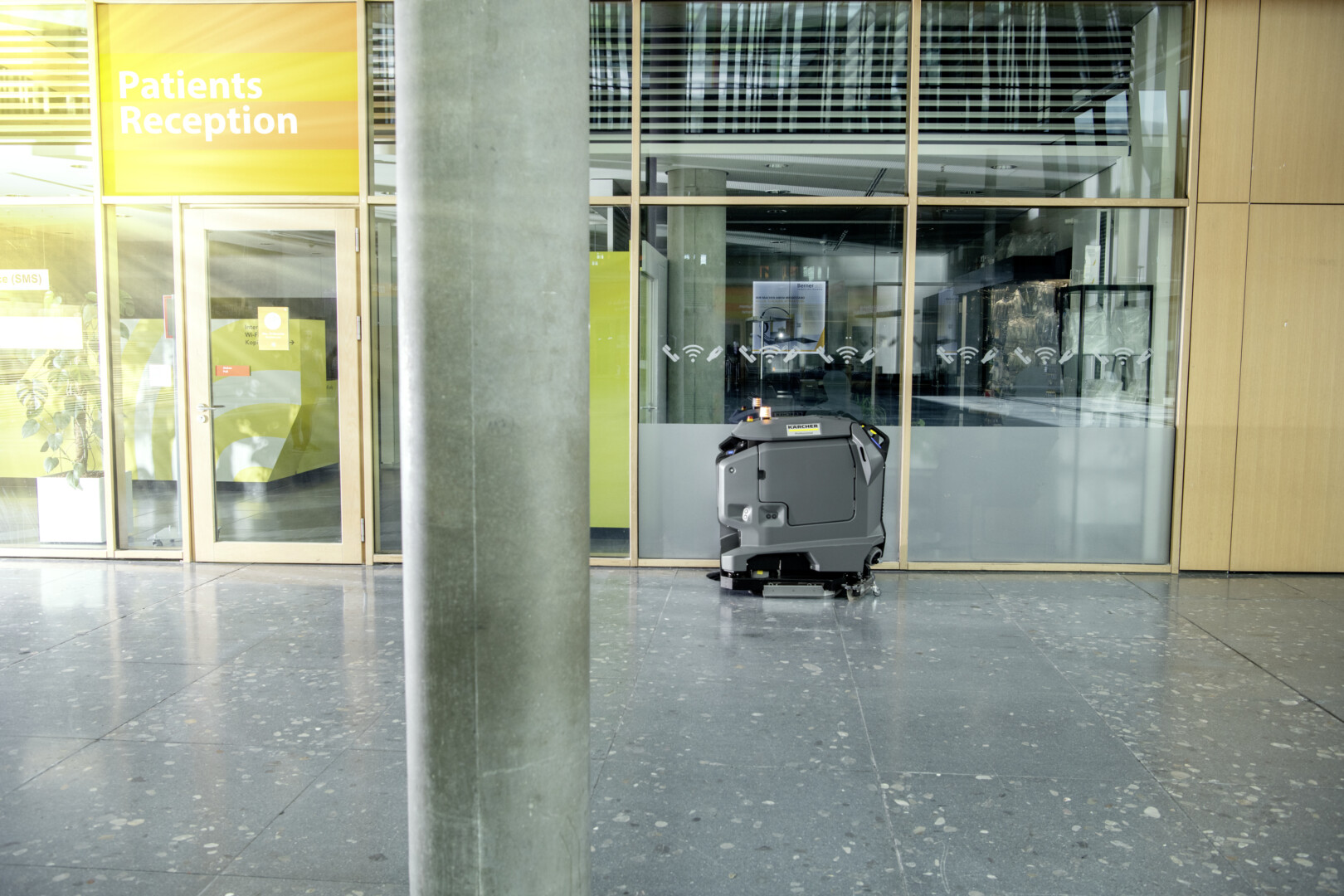
The Robert Koch Institute recommends that entrance areas, waiting rooms and corridors should not be disinfected but rather should be thoroughly cleaned. Depending on the size of the floorspace, scrubber dryers with powerful suction are a good solution here. These machines can clean these areas faster and, most importantly, more thoroughly than manual mopping.
To further free up staff and to make cleaning the often very long hospital corridors as efficient as possible, scrubber dryer robots can prove a helpful addition. They can work large areas quickly and can also manoeuvre in tight spaces. Models that work autonomously have full control of docking stations, for instance, and they top up consumables and clean several thousand square metres of floorspace every day – without any human input. What’s more, cleaning routes are very easy to set up, with no need for programming experience. To reliably detect people, moving obstacles and stationary objects, the robot must safely navigate its way through areas of high traffic. Ideally, its ability to do this should be confirmed by an external testing body. If cameras are in use, measures should be taken to ensure that the system cannot save the data.
Disinfecting floors and other surfaces: operating areas
In large operating theatre areas, the floors in the corridors must also be disinfected by mechanical means. If a scrubber dryer is used, the machine itself must be in a perfectly hygienic condition. The disinfectant is dosed according to the manufacturer’s instructions, put into the tank, and can then be used for one working day. After this time, it must be disposed of, the tank cleaned and filled with fresh disinfectant the next day. Due to the restricted space in the operating theatre itself, the floor there is best disinfected using mop covers and disinfectants.
Between operations, cleaners often have just a few minutes to disinfect the operating theatre. The cleaning teams are on call for flexible deployment, since procedures rarely run on time, due to the long nature of operations or due to emergency operations. First, blood and other dirt or contaminants must be removed, then everything has to be disinfected – from walls to operating theatre lights and surfaces, down to the wheels on the stools. This is done by wetting the surfaces with disinfectant and leaving it to dry. The disinfectant must not be rinsed off or wiped off, because this can reduce the disinfectant effect. A deep clean takes place when the operating theatre is closed for a while or when a suitable window of time can be found.
The patient room: game over for germs
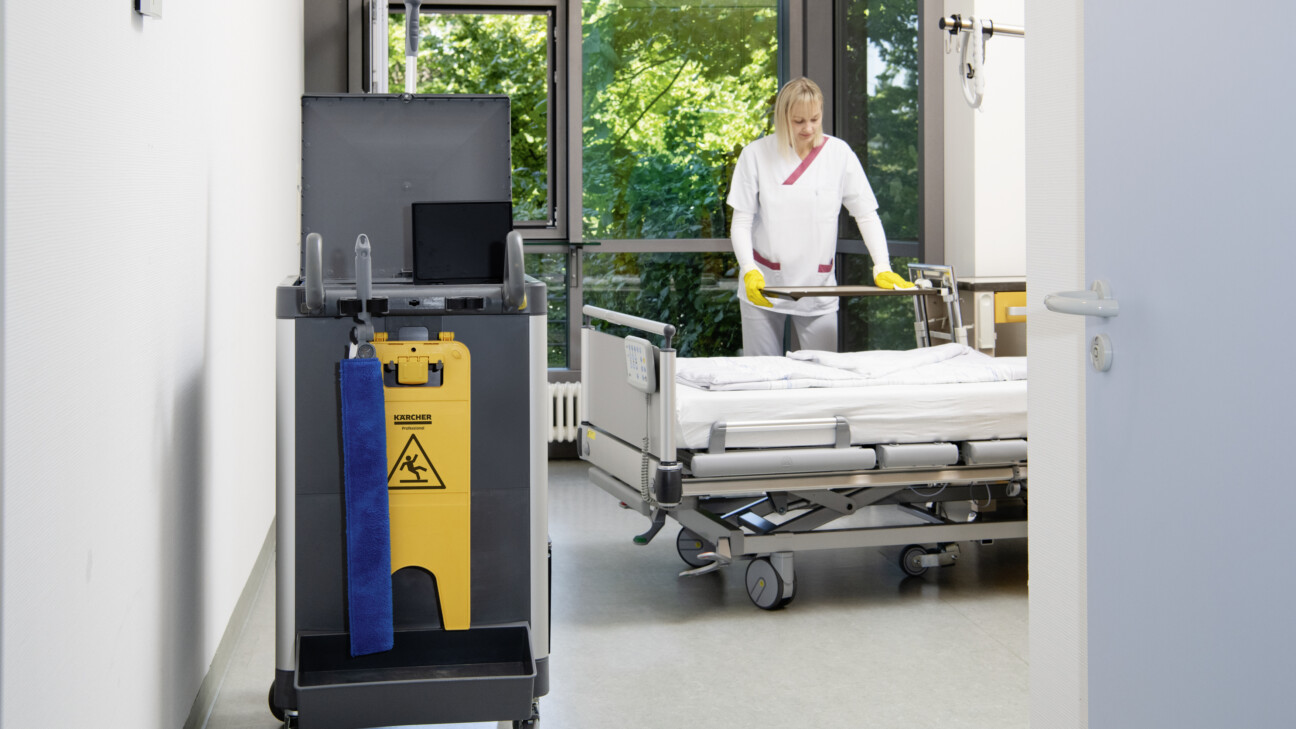
To ensure no germs are carried from one patient room to the next, it is essential that correct cleaning procedures are followed. When it comes to manual surface cleaning, the pretreated method or spray method are reliable options, since the cleaning cloths are not repeatedly soaked in the same cleaning water. This method is simple and easier for the cleaning staff since they don’t have to drag buckets of water around. Instead, it involves using cloths that are folded two to three times and presoaked with the correct amount of detergent. Alternatively, a foam dispenser is also suitable for applying the cleaning solution to the prefolded cleaning cloths there and then. The first surface is cleaned with a fresh side of the cloth and the cloth is then opened up to clean each subsequent surface until all sides of the cloth have been used. It should then be discarded and replaced with a fresh cloth.
Cleaning cloths come in different colours depending on the area of application. Surfaces in the patient room such as tables, windowsills or roller containers are cleaned with a blue cloth, for toilets, urinals and splash zones red is reserved as a signal colour, yellow for the rest of the sanitary facilities, e.g. for sinks, taps and shelves. Green is usually not universally binding and can be individually assigned depending on the circumstances. The colour system gives peace of mind to cleaning staff and develops trust among patients and visitors. New cloths are used for each room as a matter of course.
In the patient room, only surfaces that pose a high risk of infection from frequent hand and skin contact must be disinfected. As a general rule, when cleaning staff are cleaning and disinfecting, they must use suitable personal protective equipment and wear gloves.
To clean floors in patient rooms efficiently without these becoming slippery, a distinction is made between loose dirt and stuck-on dirt. Loose dirt can be wiped up with single-use or reusable textiles that bind dust, whereas ingrained dirt needs to be removed using wet cleaning methods. The pretreated method is also recommended for cleaning floors, since it removes the need to repeatedly immerse and wring out a used mop in the cleaning water. A fresh microfibre mop cover must be used for each room to prevent micro-organisms from entering the next patient room.
Hygiene at the top of the menu: the hospital kitchen
When it comes to food preparation, hygiene generally takes top priority, especially in a setting as sensitive as a hospital kitchen. To clean wall tiles, for example, pressure washers may be used in combination with foam jets or cup foam lances. Alternating between acidic and alkaline foam detergents is recommended in order to reliably eliminate the breeding grounds of micro-organisms. For grouting containing cement, however, caution must be exercised. This grouting is sensitive to acid, and should therefore be rinsed beforehand so that it is sufficiently saturated to prevent it being damaged by the acid.
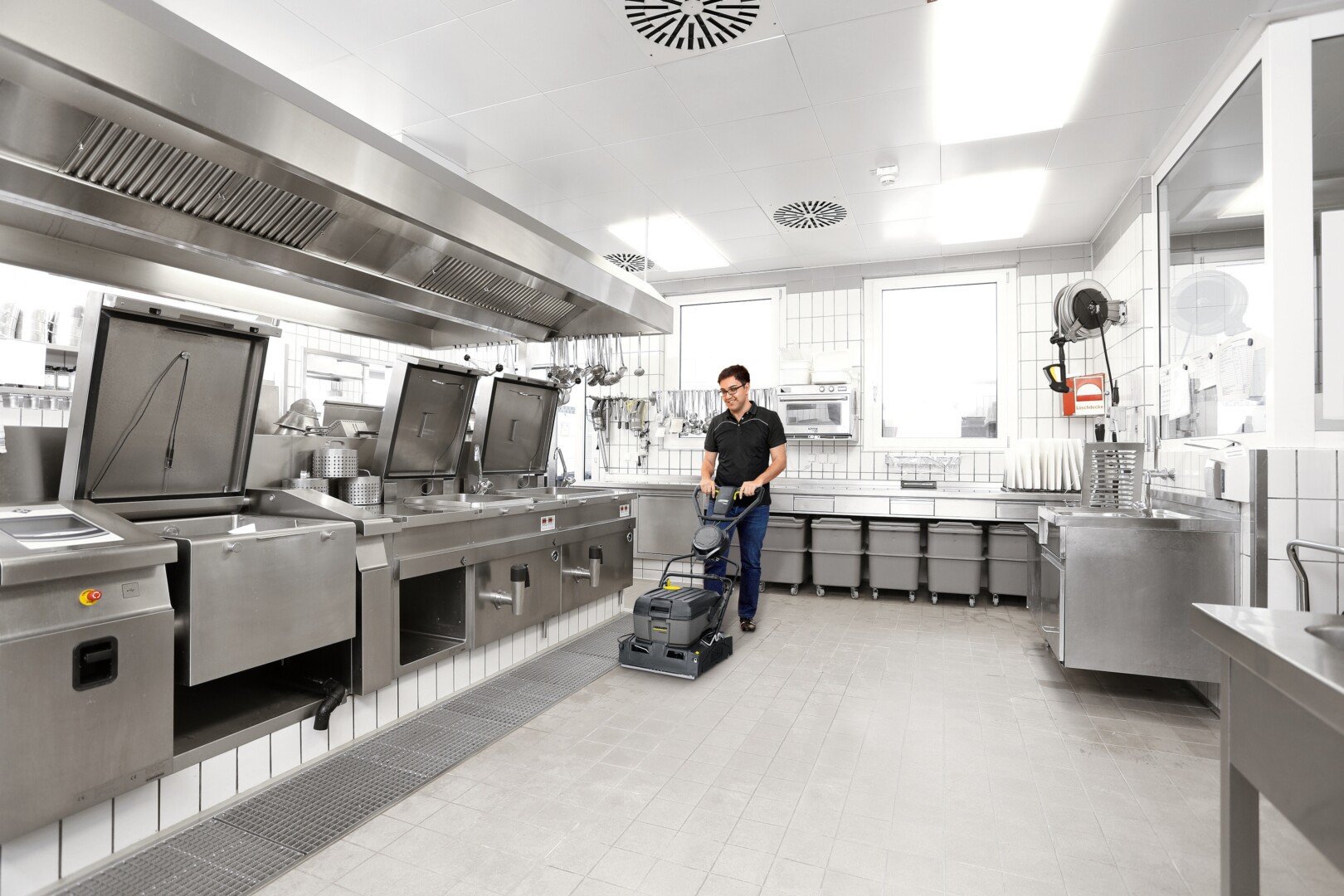
The floors in hospital kitchens are normally covered in textured floor tiles with extruded studs. The recesses between the studs make an easy resting place for contaminants such as grease or food remnants. To clean the floor quickly and efficiently, high-pressure cleaners in combination with surface cleaners with a rotating nozzle bar and easily moved power nozzles are ideal. Orbital machines or scrubber dryers with rollers are an effective alternative too. The rollers are practically self-cleaning, since the dirt cannot stay attached to the rollers at such a high rotation speed.
Food contact surfaces should generally only be disinfected after they have been cleaned. Once the surfaces have been cleaned and the disinfectant contact time has elapsed, they must be rinsed with sufficient clean water to remove any residual disinfectant or detergent.
Good to know
Possible sources of error: the soap error
If disinfectants made from cationic surfactants are applied to a surface with residual detergent that is based on anionic surfactants, the cationic surfactants of the disinfectant may form a compound with those of the detergent. This results in a water-insoluble giant molecule. This so-called soap error can cancel out the effect of the disinfectant. If surfaces need to be disinfected, but these have previously been cleaned with an anionic surfactant based detergent, these surfaces must be rinsed thoroughly to remove all residual detergent from the surface. If the surface is very tacky due to the soap error, a detergent with higher solvent content may help.
Possible sources of error: the protein error
If there are protein-containing contaminants on the surface, the disinfectant concentrates on these contaminants and not on inactivating the viruses, or on killing the bacteria and other micro-organisms. This can compromise the performance of the disinfectant. It is therefore paramount that surfaces are cleaned carefully prior to disinfection.
Anzahl Likes:0
Share post
Knowledge articles from this category


Suitable offers
Textiles
to the provider
Kärcher K-Mop 46
Rental equipment
to the provider
Rental machine Kärcher Scrubber dryer B150
Rental equipment
to the provider
Rental machine Kärcher Sweeper KM 85/50 W Bp
Rental equipment
to the provider
Rental machine Kärcher Sweeper KM 100/120 R G
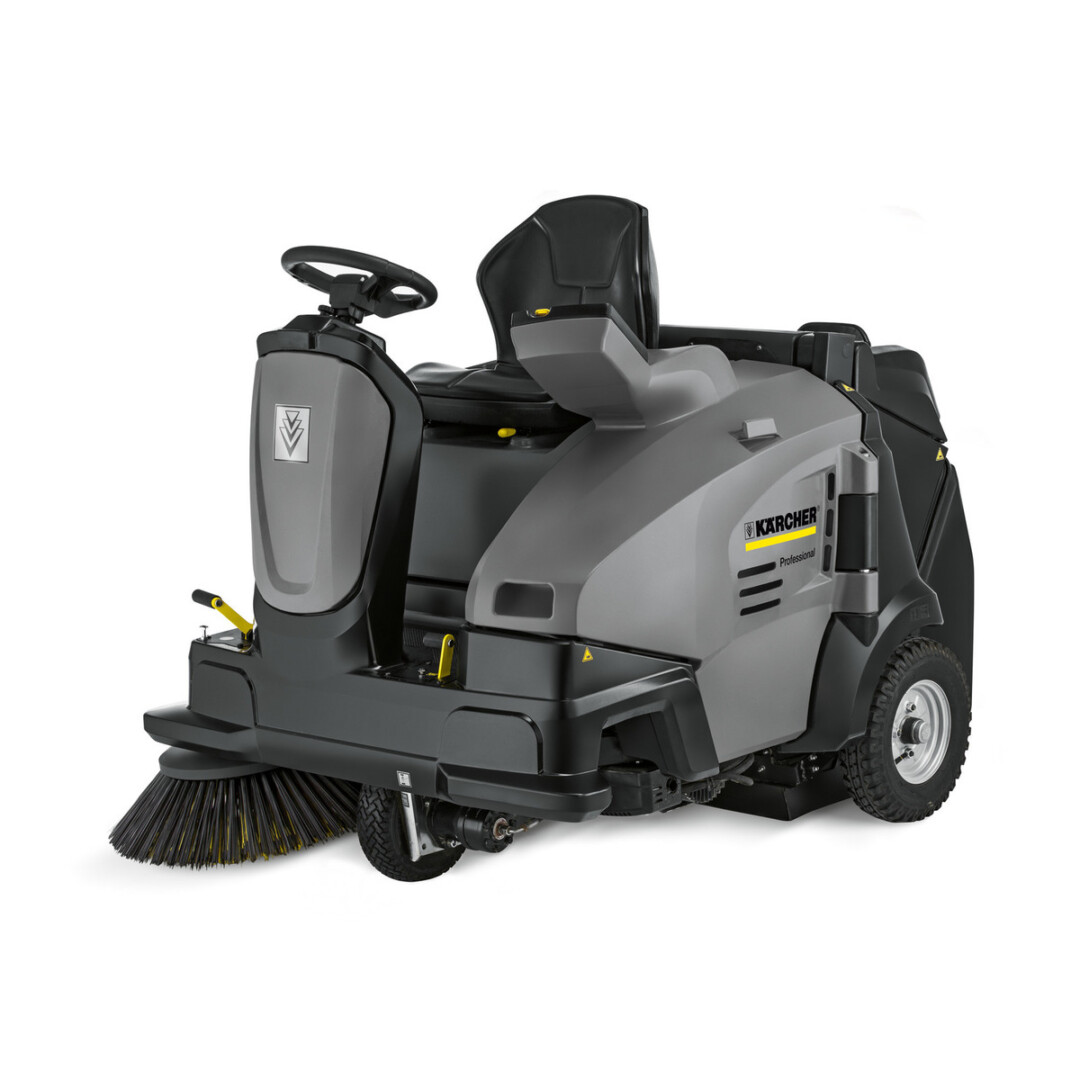
Rental equipment
to the provider
Rental machine Kärcher Sweeper KM 105/100 R G
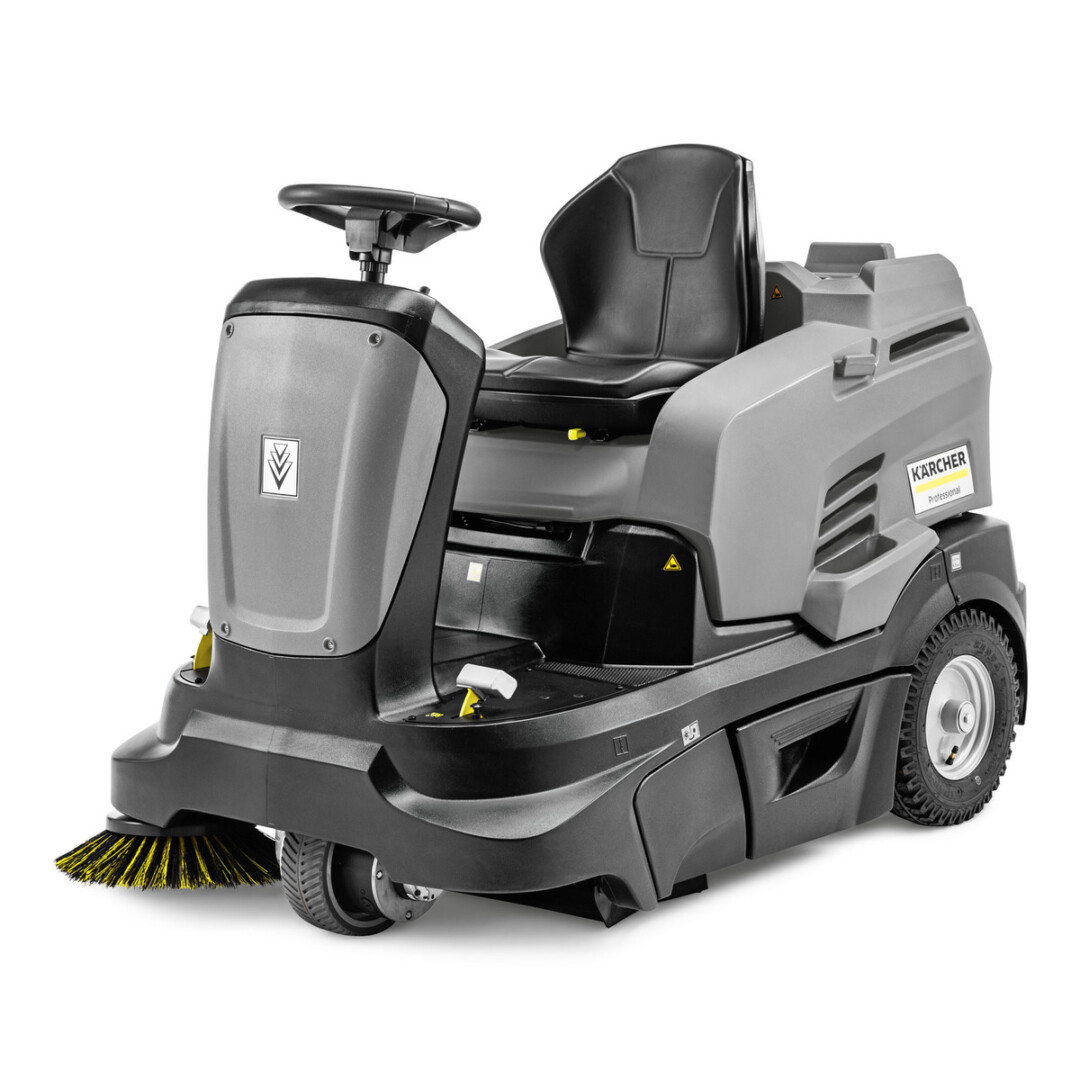
Rental equipment
to the provider
Rental machine Kärcher Sweeper KM 90/60 R Bp Pack
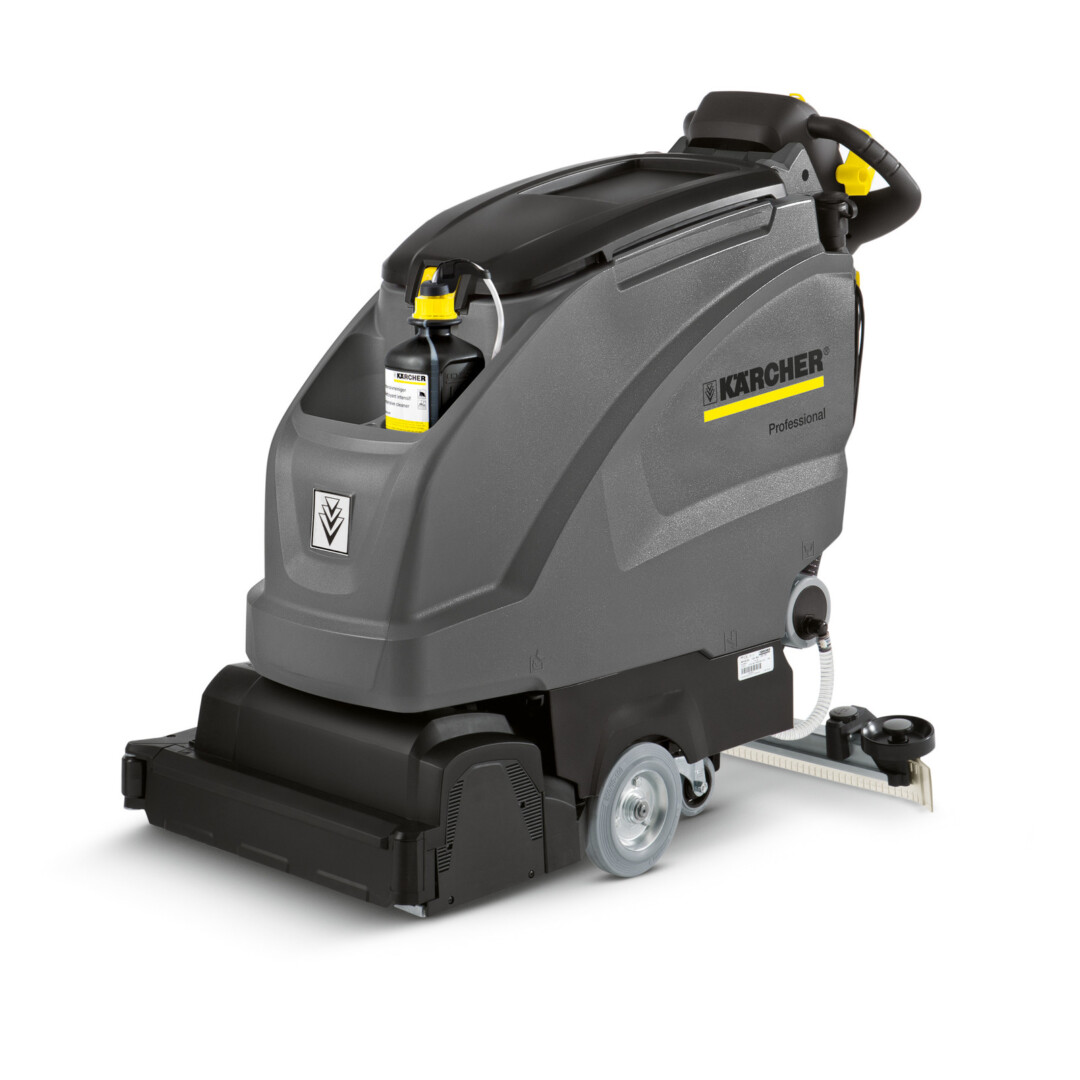
Rental equipment
to the provider
Rental machine Kärcher Scrubber dryer B40 – R55
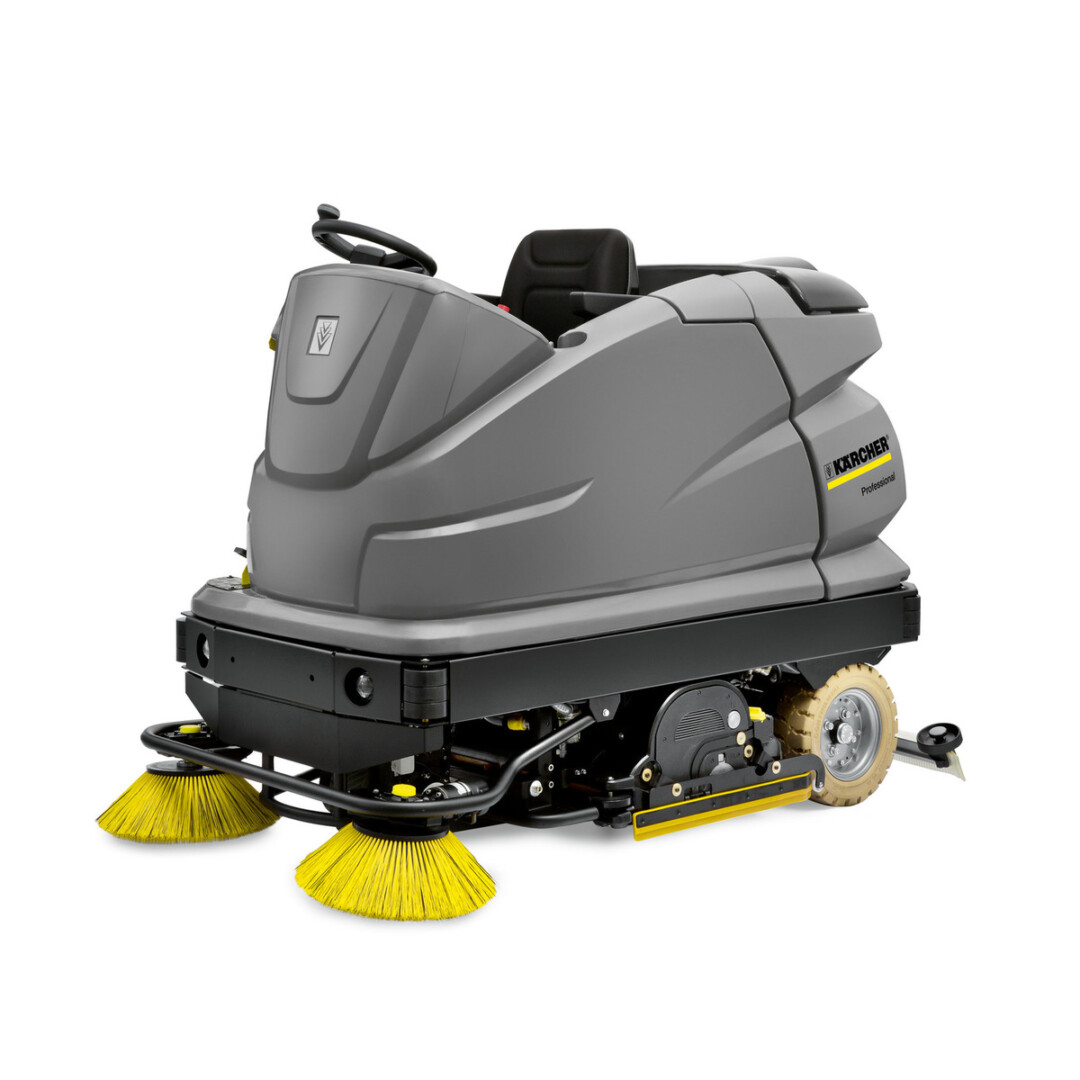
Rental equipment
to the provider
Rental machine Kärcher Scrubber dryer B250 – R120 / B260 R120
Rental equipment
to the provider
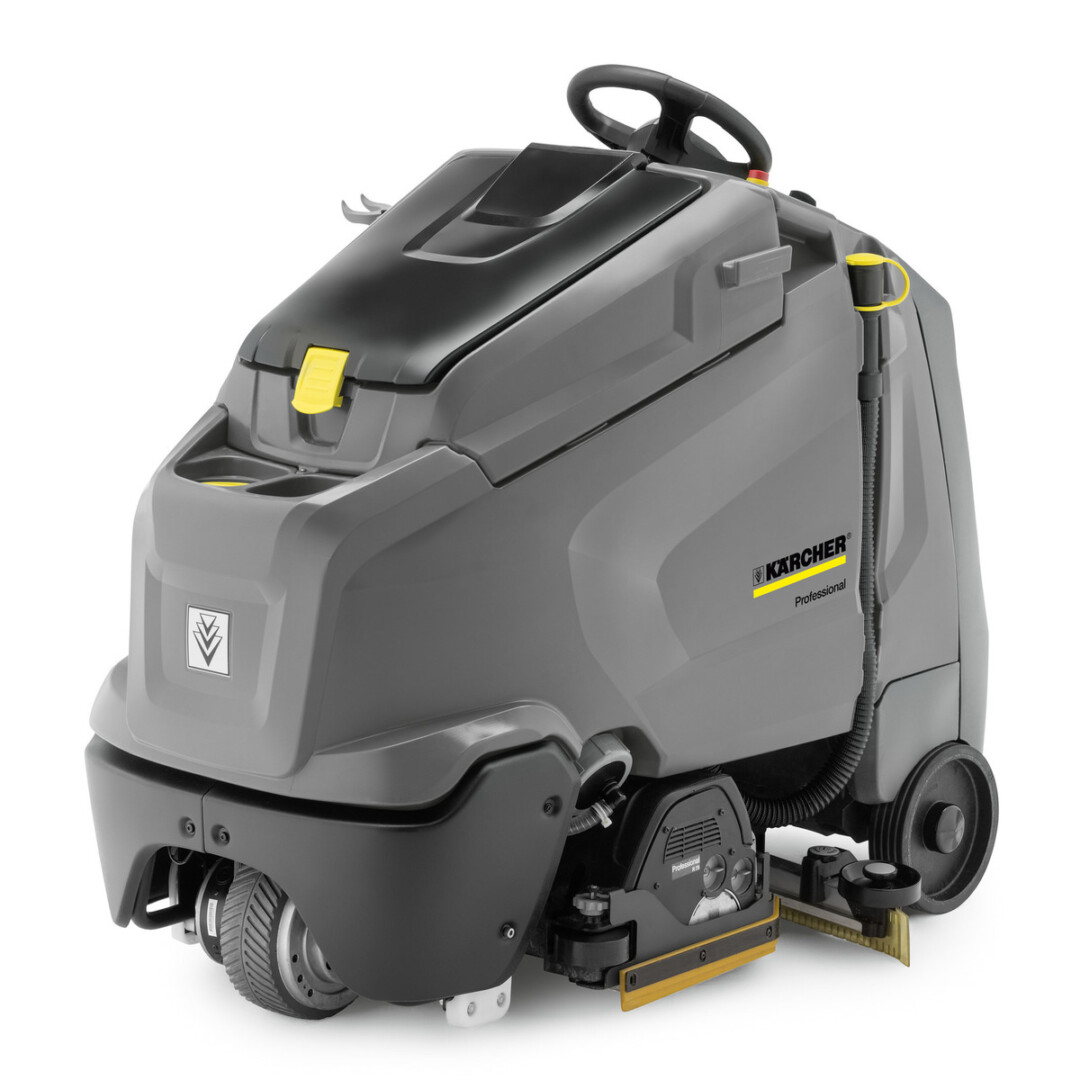
Rental machine Kärcher Scrubber dryer B95RS – R75
Rental equipment
to the provider
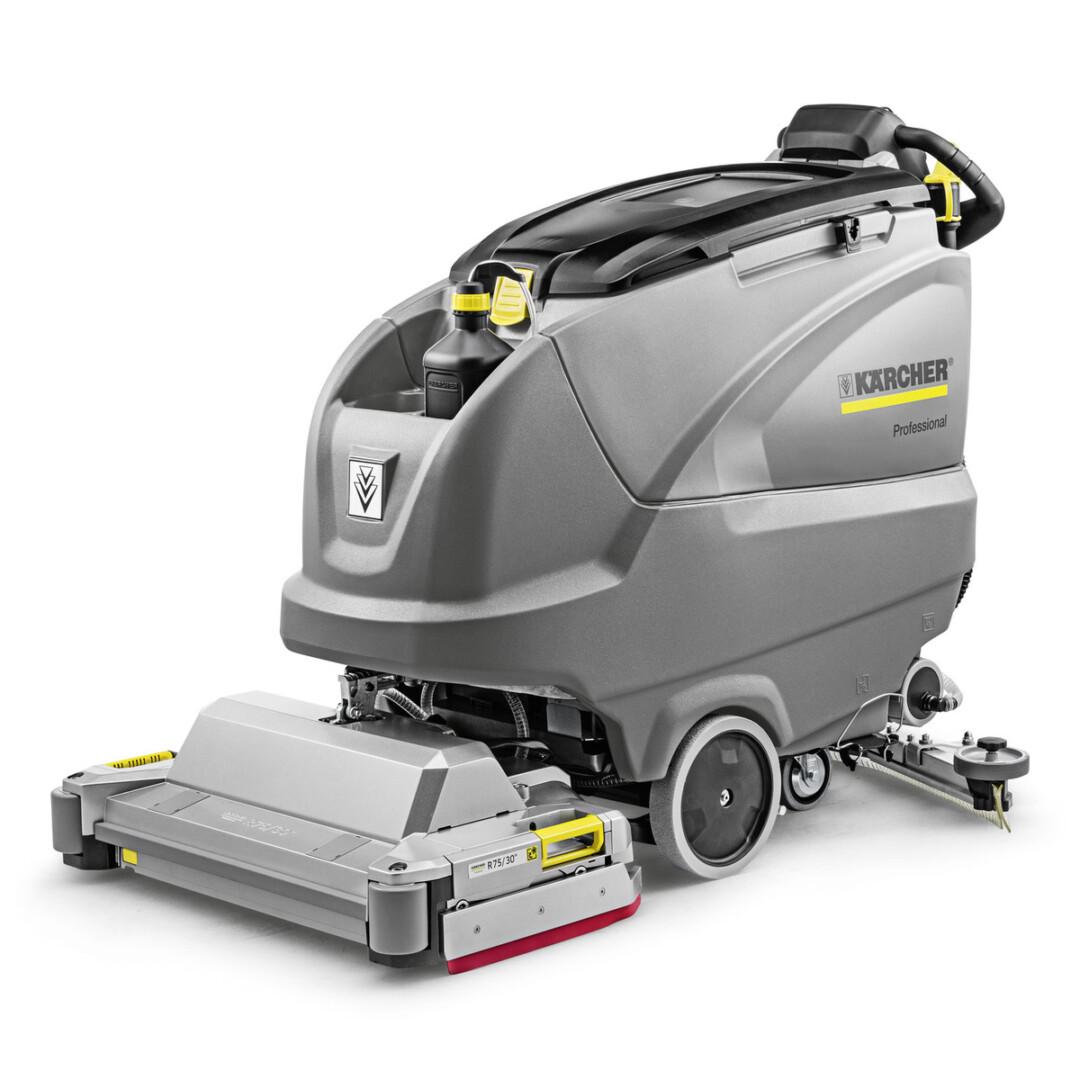
Rental machine Kärcher Scrubber dryer B80 – R75/R65
Machines
to the provider
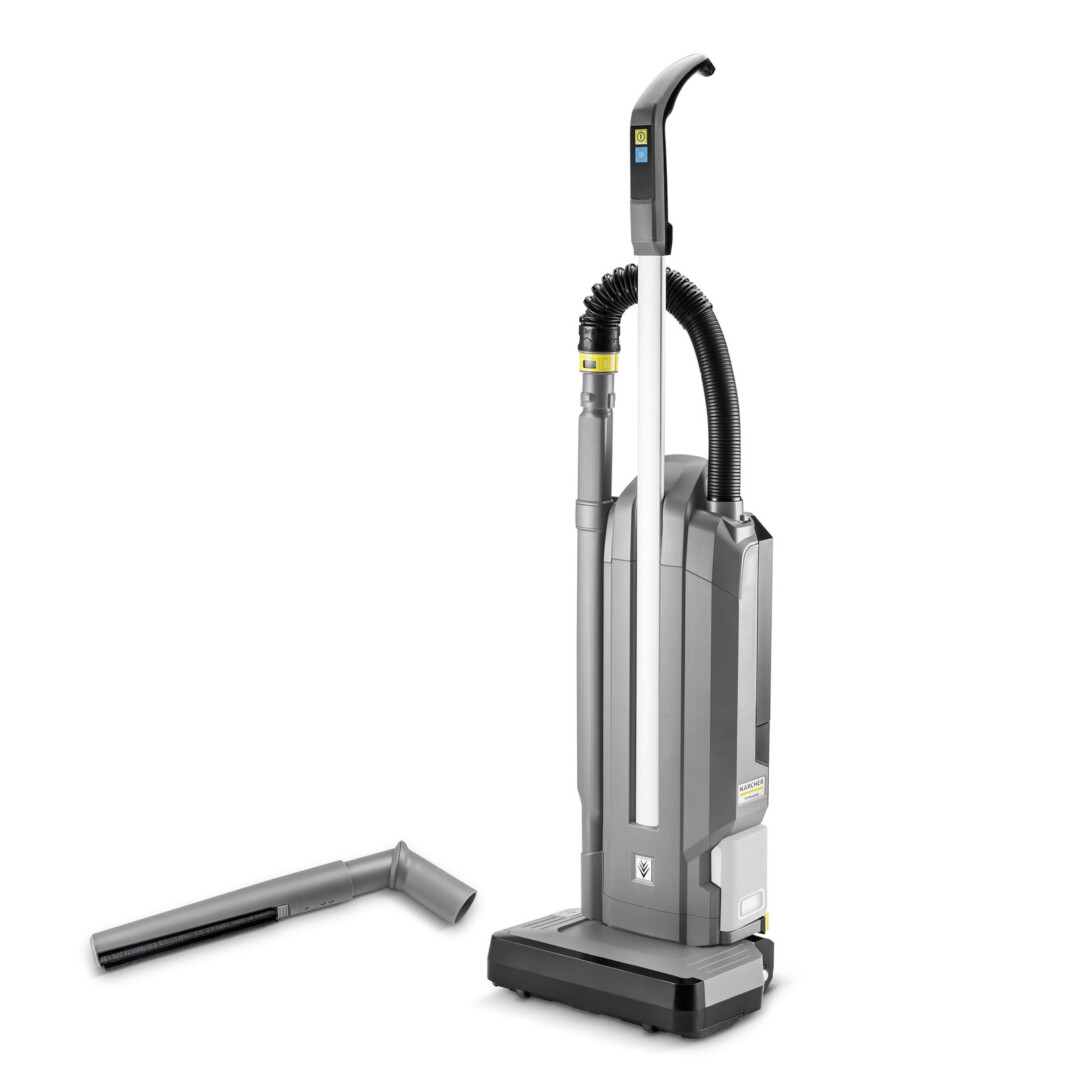
Kärcher Cordless brush vacuum cleaner CV 30/2 Bp Adv
Cleaning material
to the provider
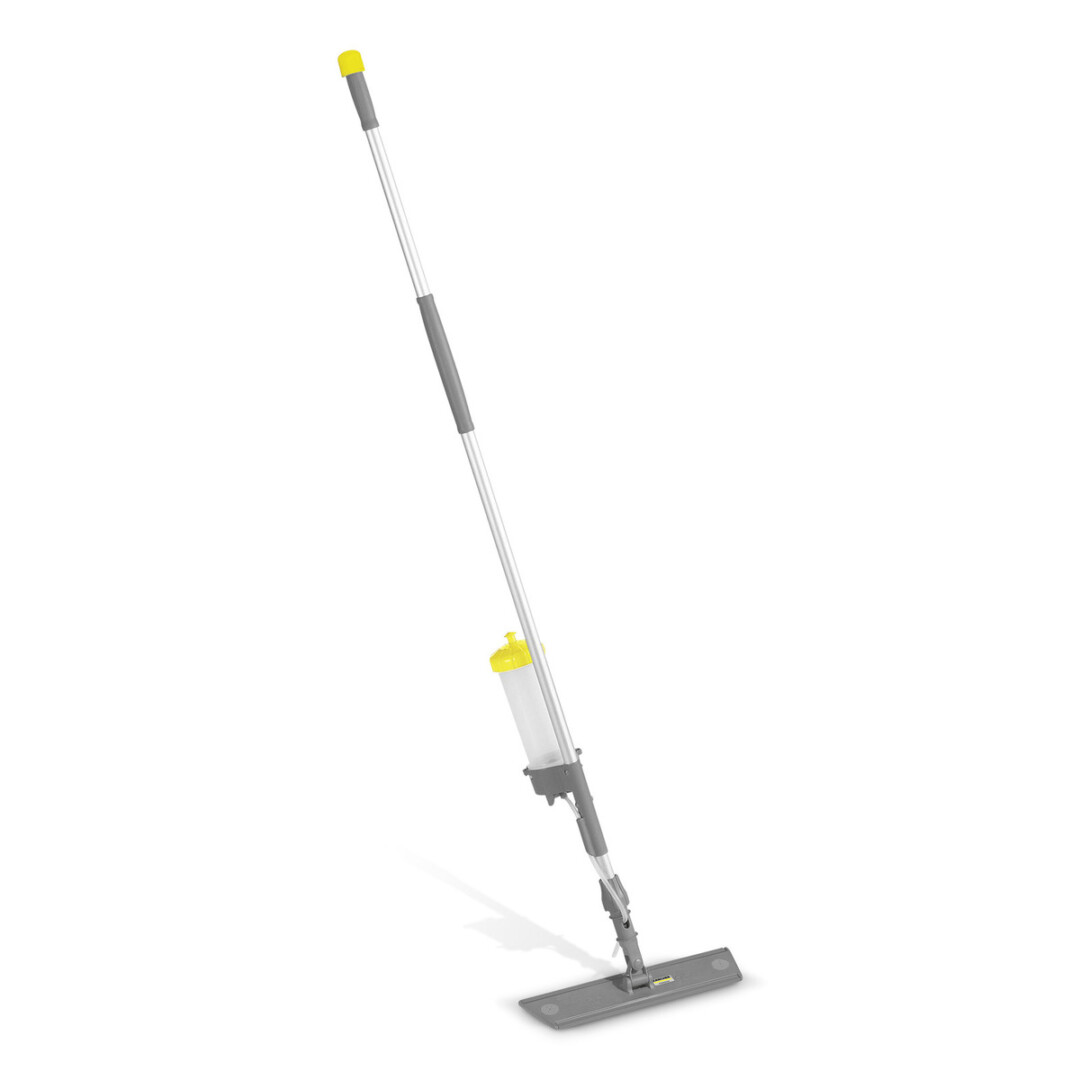
Kärcher spray mop system with Velcro holder
Our platform partners share their knowledge and high-quality products on Hygieneforum.ch - we introduce our platform partners.
To the partnerships
Emergency
Hygiene emergency
Emergency
Hygiene emergency