

21.04.26
Why do cleaning results vary despite identical SOPs? – The role of human factors as a source of variability in GMP cleanrooms
Cleaning in a GMP cleanroom is far more than a routine hygiene measure. It is an essential component of quality assurance and has a direct impact on environmental monitoring results, product quality and, ultimately, the release of batches. SOPs are drawn up to ensure consistent results. These typically define in detail the cleaning agents, concentrations, materials used, work sequences and wiping techniques. Nevertheless, practice reveals a recurring phenomenon: despite identical SOPs, the same training and identical equipment, results vary between individual staff members. Why is this?
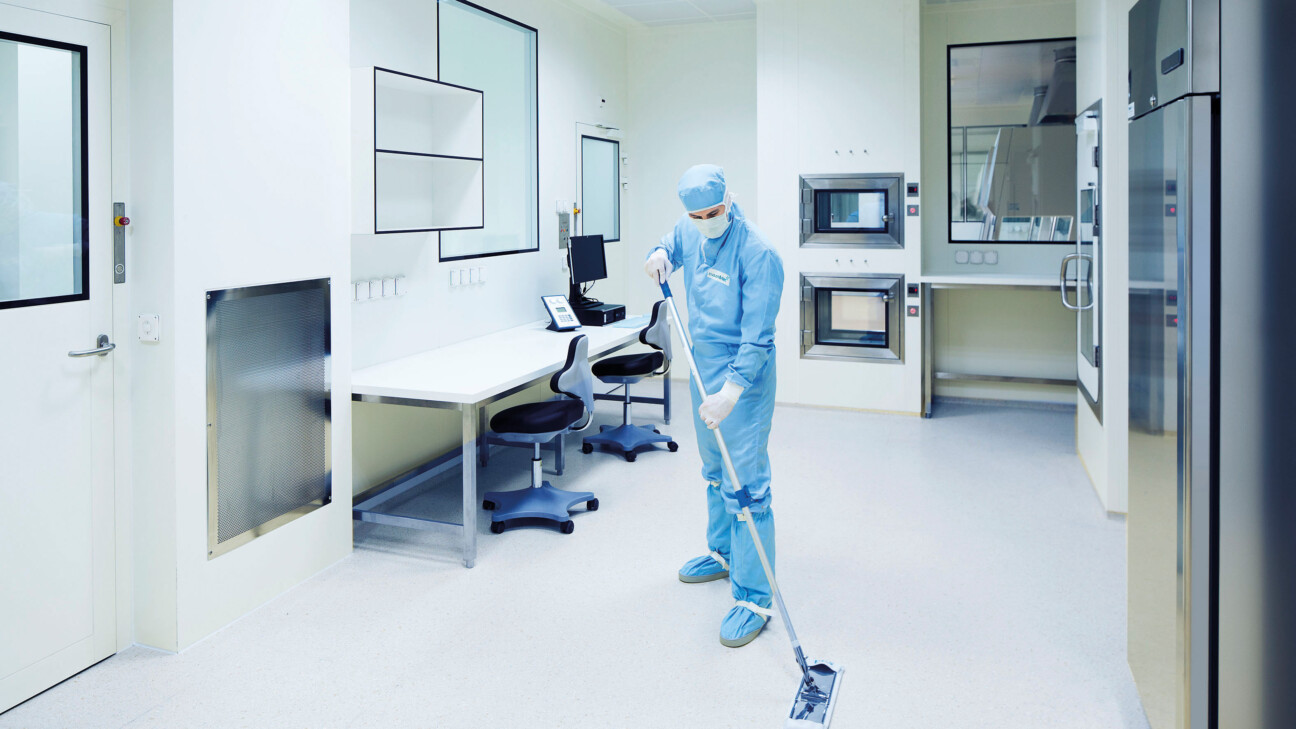
SOPs are sufficiently detailed – and yet variability still arises
In modern GMP environments, SOPs are generally worded precisely. Deviations can therefore rarely be attributed to differing interpretations of the instructions. Rather, the cause lies in the implementation itself.
1. Same action – different physical effect
SOPs describe what needs to be done, but do not fully explain how this action plays out in practice. Even when carried out identically, differences may arise in:
- pressure exerted
- speed of movement
- Uniform contact with the surface
- actual overlap when wiping
These factors mean that seemingly identical tasks can produce different cleaning results.
2. Unconscious adjustments through routine
Cleaning processes in cleanrooms are highly repetitive. As the routine becomes more established, automated movement patterns develop. This often leads to unconscious adjustments:
- Movements are accelerated
- Processes are simplified
- more efficient customised versions are developed
These changes are usually unintentional; they are simply a reflection of human habit. Nevertheless, they result in deviations from the intended standard.
3. The limits of standardisation
Certain factors can only be reflected to a limited extent in SOPs. These include, for example:
- the precise definition of ‘constant pressure’
- subtle differences in rhythm and movement
- situational adjustments to surface conditions
These aspects fall within the realm of practical experience and individual implementation and cannot be fully standardised.
4. Fatigue and loss of concentration
Cleaning work in a cleanroom is both physically demanding and monotonous. As the work goes on, fatigue sets in and concentration wanes. This can lead to the following effects:
- less consistency in execution
- less attention to detail
- the gradual simplification of work processes
These factors represent an inherent human variability that cannot be completely eliminated.
5. Lack of direct feedback
In many cases, staff do not receive immediate feedback on the quality of their cleaning work. Results from environmental monitoring are available, but are rarely linked directly to individual performance. This leads to:
- inefficient working practices remain in place
- Differences between employees do not become apparent
- subjectively ‘correct’ working methods are not questioned
The challenge lies in replicating human performance
These observations lead to a key insight: The problem lies not primarily in the quality of the SOPs, but in the limited reproducibility of human performance. SOPs standardise processes – yet they cannot completely eliminate the natural variability inherent in human behaviour.
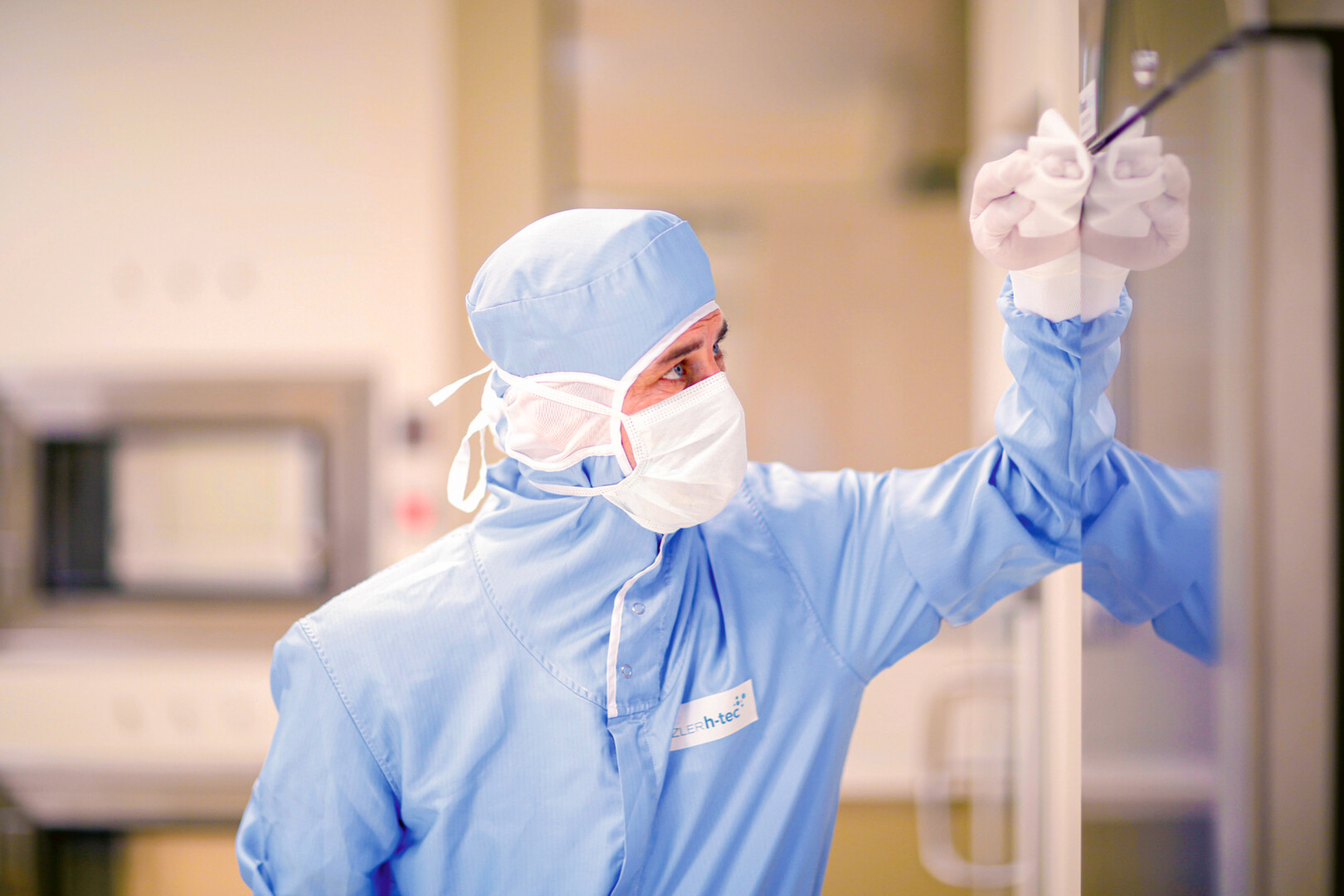
Practical approaches
To address this challenge, additional measures are required:
1. Focus on reproducible execution
Training courses should not only impart knowledge, but also aim to ensure consistent implementation.
- hands-on demonstrations
- Comparison of planned and actual performance
- direct feedback in the workplace
2. Observation and targeted correction
The assessment should not be based solely on documentation, but on actual behaviour.
- structured observations in the cleanroom
- Identification of individual deviations
- ongoing training
3. Incorporating the human factor into validation
Cleaning validations should reflect real-world conditions.
- Involvement of various staff members
- Taking ‘worst-case’ scenarios into account
- Assessment under real-world conditions
Conclusion:
The most significant factor influencing cleanroom cleaning is neither the cleaning agent nor the equipment – but people. Whilst this variability cannot be completely avoided, it can be systematically understood and controlled. In the GMP environment, the following therefore applies: It is not contamination alone that must be controlled, but the consistency of human behaviour.
Anzahl Likes:0
Share post
Knowledge articles from this category


Suitable offers
Machines
to the provider
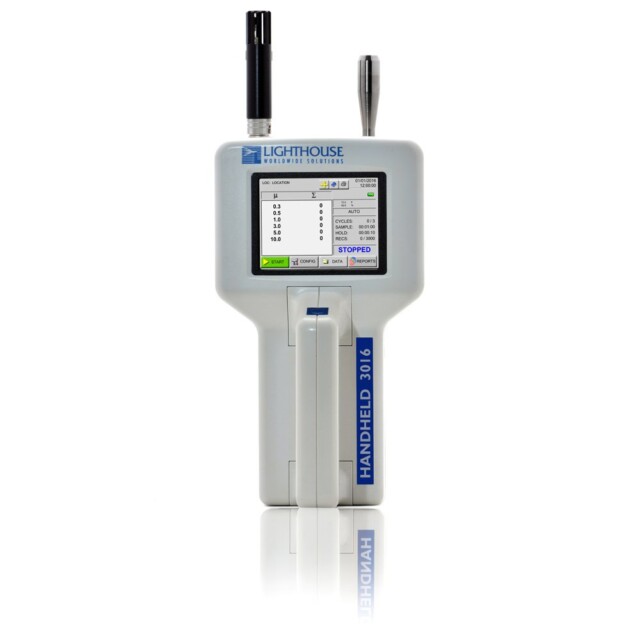
Lighthouse Handheld HH3016
Machines
to the provider
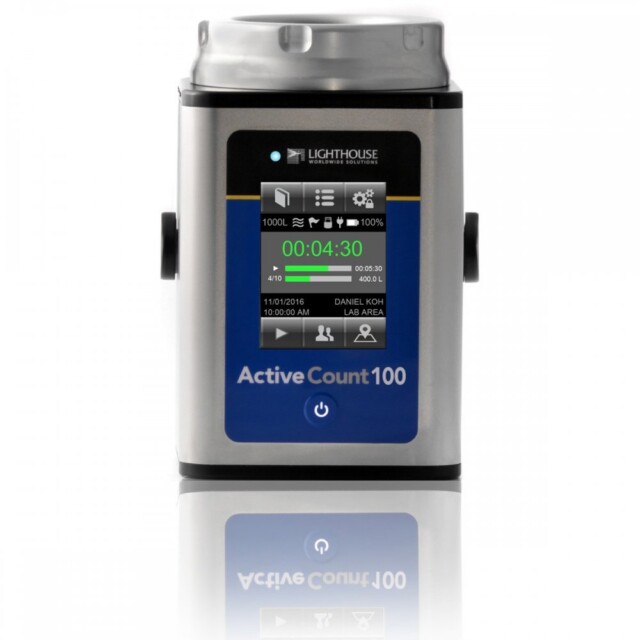
Lighthouse Active Count 100
Machines
to the provider
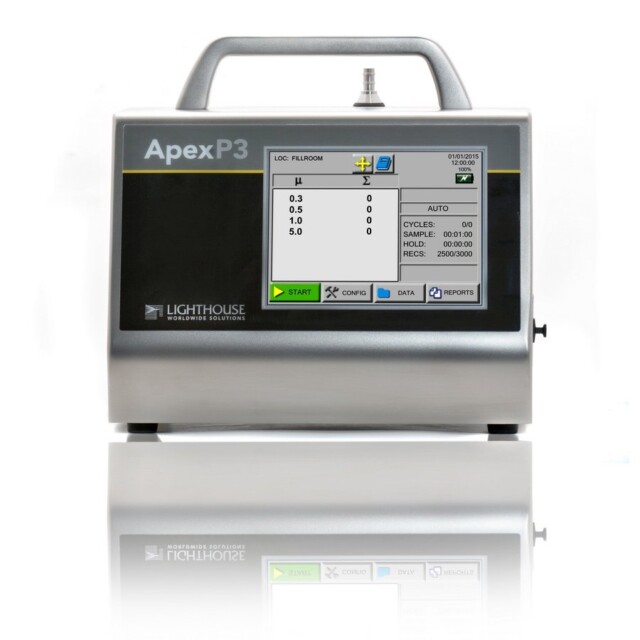
Lighthouse Apex P3

Machines
to the provider
Lighthouse Solair 3100

Machines
to the provider
Lighthouse Airbone Apex Z3

Machines
to the provider
Lighthouse Airbone Apex Z50
Machines
to the provider
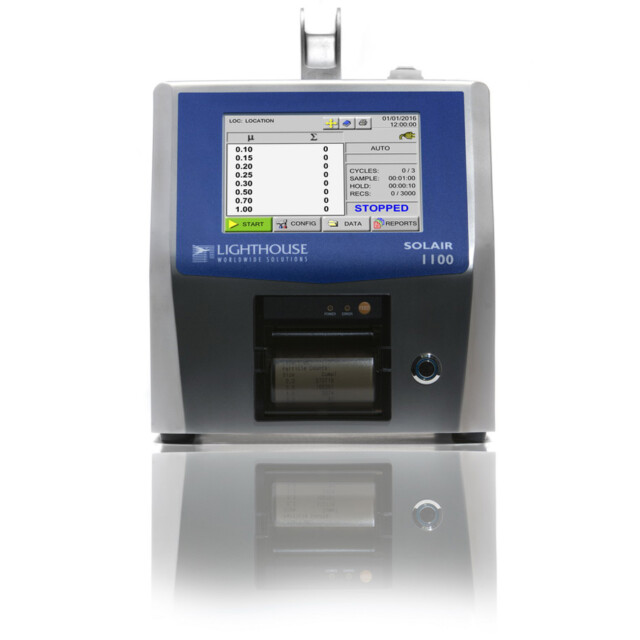
Lighthouse Solair 1100LD
Facility equipment
to the provider
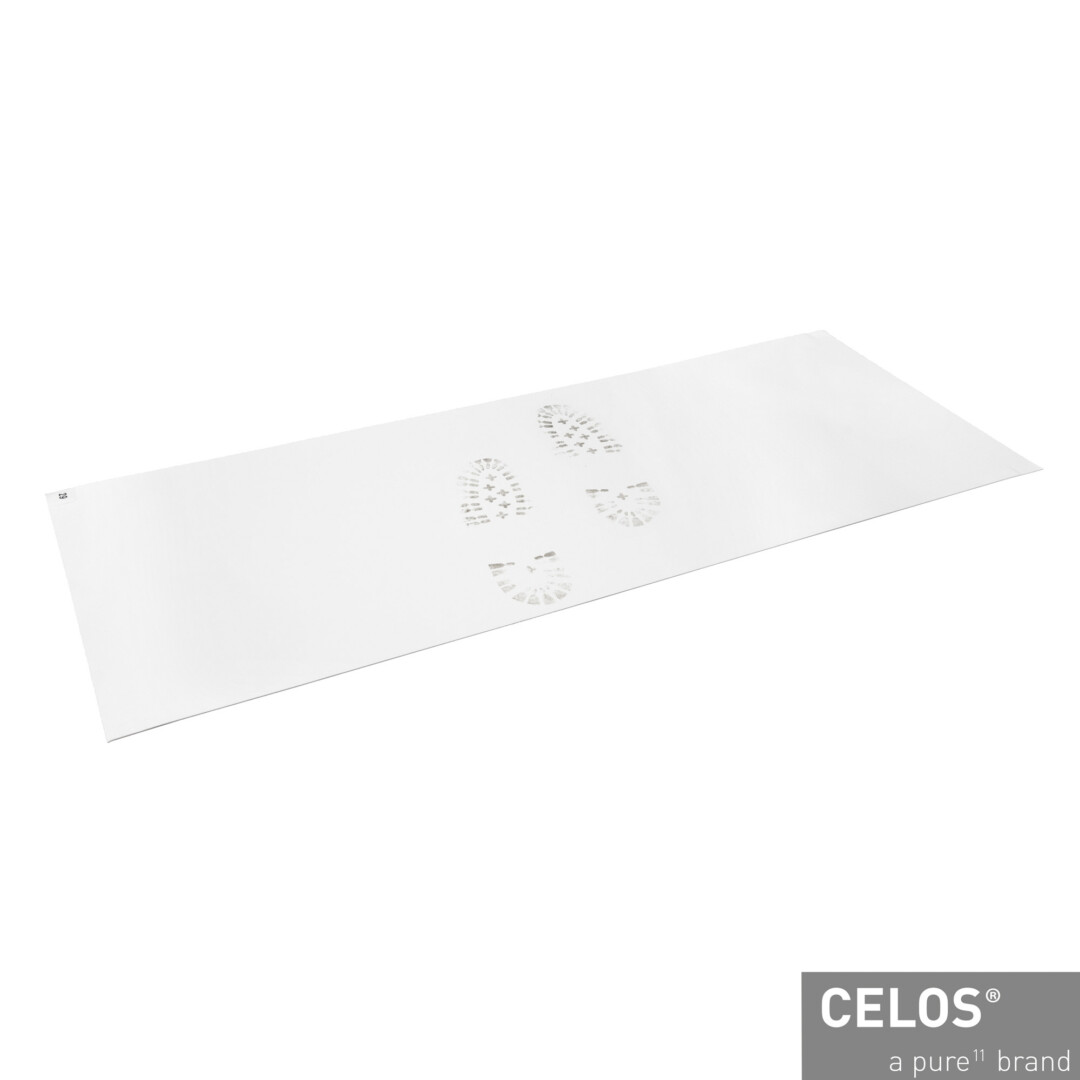
CELOS Dust control mat / adhesive film mat
Cleaning material
to the provider
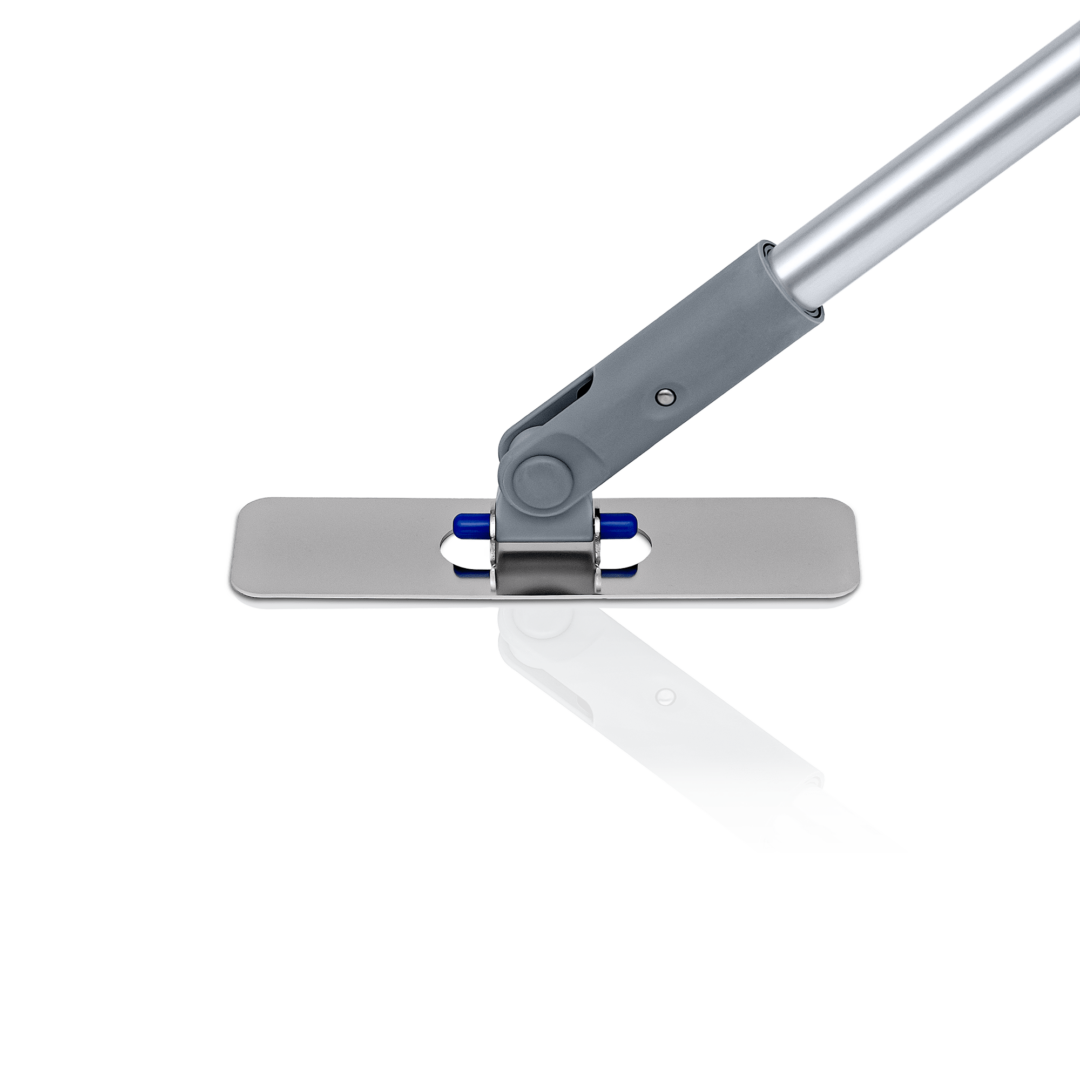
Pfennig Mop holder IsoClean GMP

Cleaning material
to the provider
Pfennig Mop holder IsoClean CR
Cleaning material
to the provider
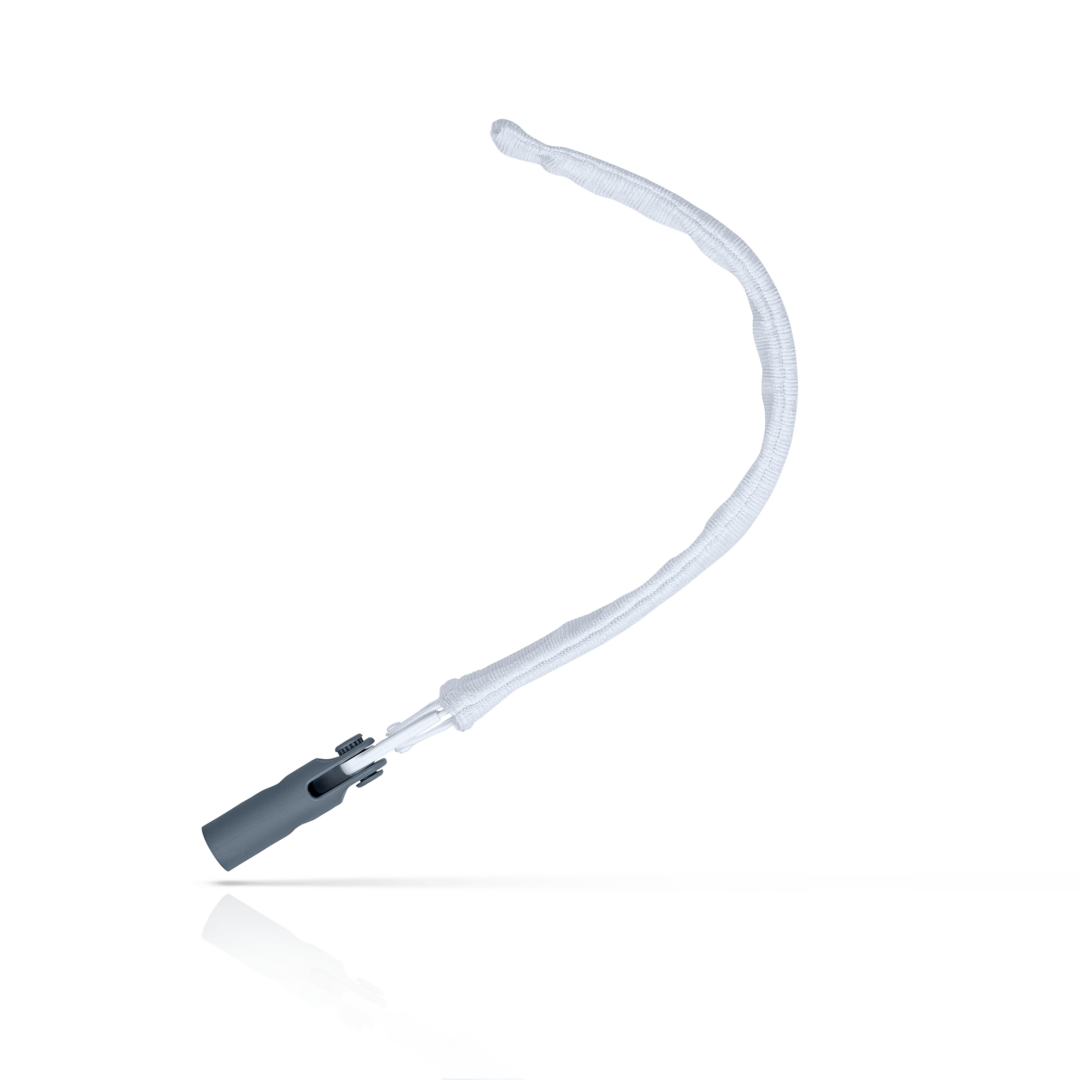
Pfennig Cleanroom blade CR/A
Textiles
to the provider
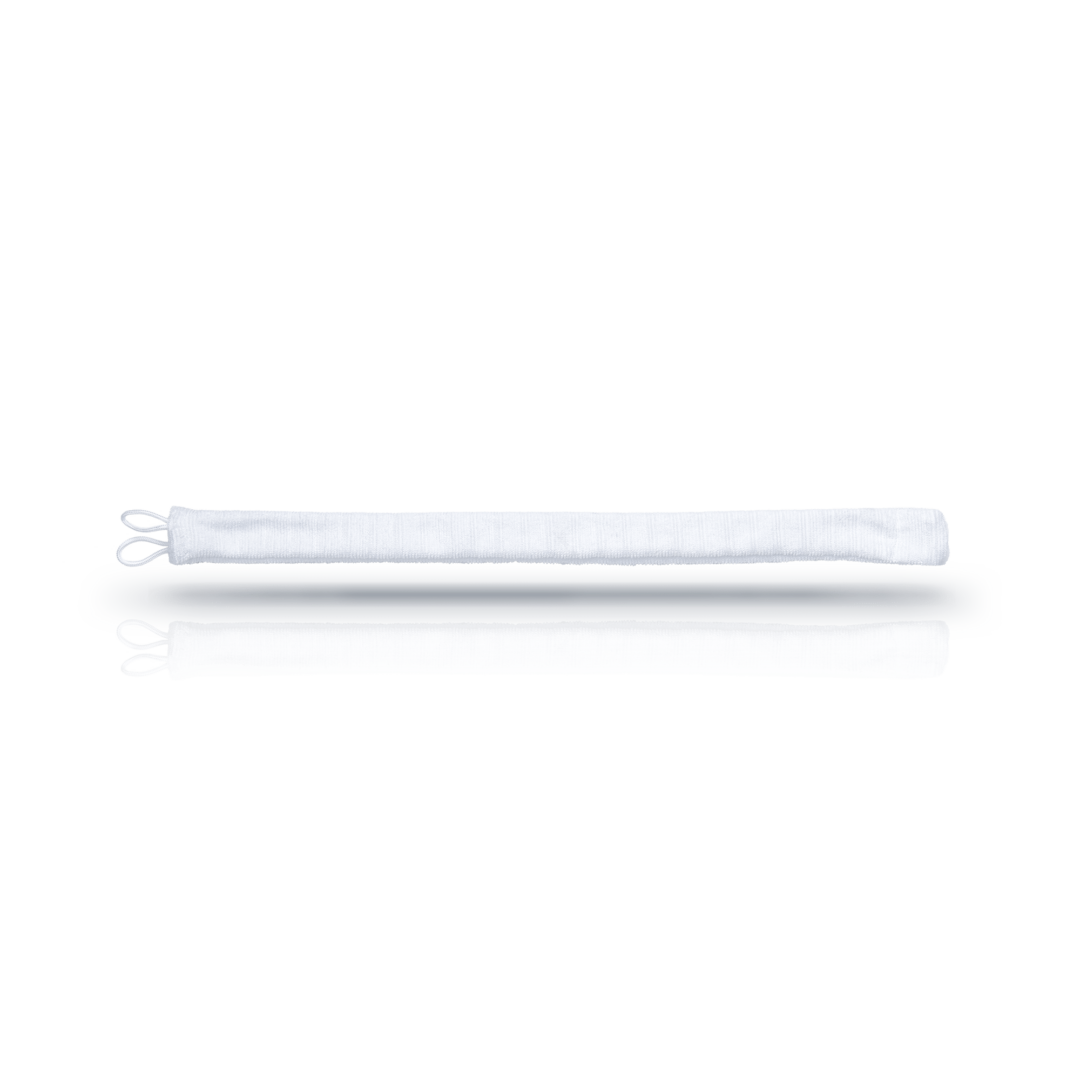
Pfennig Clino® OneWay Ultra Schwert PW
Our platform partners share their knowledge and high-quality products on Hygieneforum.ch - we introduce our platform partners.
To the partnerships
Emergency
Hygiene emergency
Emergency
Hygiene emergency