

23.03.26
A look back at PURE 2026 – An evening that took a holistic approach to hygiene
I had the opportunity to attend the PURE 2026 event. The event was organised by ewah AG. I found the interdisciplinary programme particularly interesting, as it offered a range of perspectives on the topic of hygiene. The evening not only provided specialist knowledge, but above all a comprehensive overview of what constitutes good hygiene in practice. It is all about a systematic approach, clear lines of responsibility, consistent implementation and robust documentation.
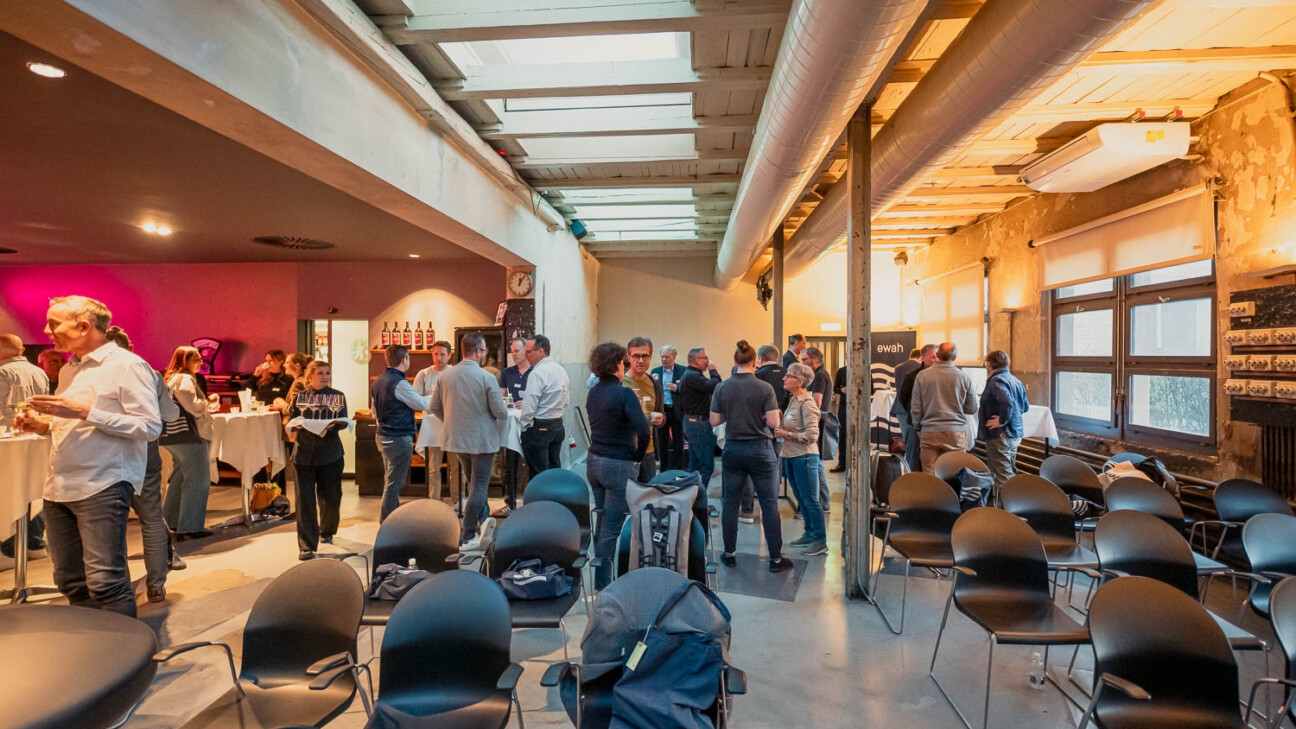
Legal issues are central in practice
A key focus was on the legal aspects relating to Legionella. Daniel Staffelbach and Fabian Altmann from Walder Wyss highlighted how quickly elevated Legionella levels can lead not only to a technical problem, but also to issues concerning liability and tenancy law.
Particularly striking was the statement: “Filters manage the risk; they do not eliminate it. ” This made it clear that while immediate measures may be necessary, they are no substitute for sustainable remediation. Equally crucial is the clear presentation of evidence through measurement data, records and traceable documentation. Particularly in cases of dispute, the outcome is often determined not only by the technical assessment, but also by what can be substantiated and documented.
Facility management plays a crucial role in ensuring safety
Gabriela Zanettin’s presentation highlighted the key role that facility management plays in the healthcare sector. Facility management was described as an integral part of safe operational processes, with responsibility for technology, infrastructure, processes and coordination.
One key message was: «Effective facility management is crucial for healthcare facilities, as it forms the backbone of non-clinical operational processes.» It is particularly during hygiene-related incidents that the importance of coordination between the strategic, tactical and operational levels becomes apparent. Hygiene is therefore not merely a technical task, but also a management and organisational one.
Audits provide transparency and guidance
Dr Thomas Leiblein presented auditing as an effective management tool. Audits were not viewed merely as a means of monitoring, but as a structured method for bringing processes, conditions and responsibilities to light.
Particularly memorable was the statement: “An auditor finds nothing because he is not looking for anything. He simply establishes facts.” Audits create transparency, highlight weaknesses and provide management with a basis for setting priorities, implementing measures and driving continuous improvement. In complex organisations in particular, this systematic approach can help to identify risks at an early stage and better manage developments.
Prevention requires a culture, structure and leadership
Prof. Dr Walter Zingg’s presentation focused on the prevention of infections. Drawing on data, studies and international approaches, he demonstrated that effective prevention does not rely on individual measures, but rather on a package of coordinated measures. These include resources, training, surveillance, audits, standards and leadership.
The reference to corporate culture was particularly relevant in this context. «A positive corporate culture that actively supports communication and working relationships between employees and departments.» Prevention thus became a tangible, shared organisational responsibility. It is most successful where it is embedded in day-to-day working life and supported by the entire organisation.
The implementation process demonstrates just how complex it is
Dr Mattias Fricker from the Zug Cantonal Office for Consumer Protection provided insights into the practical implementation of the regulations. His presentation highlighted just how complex the regulatory framework can be, particularly where drinking water and shower or bath water are closely interlinked in practice.
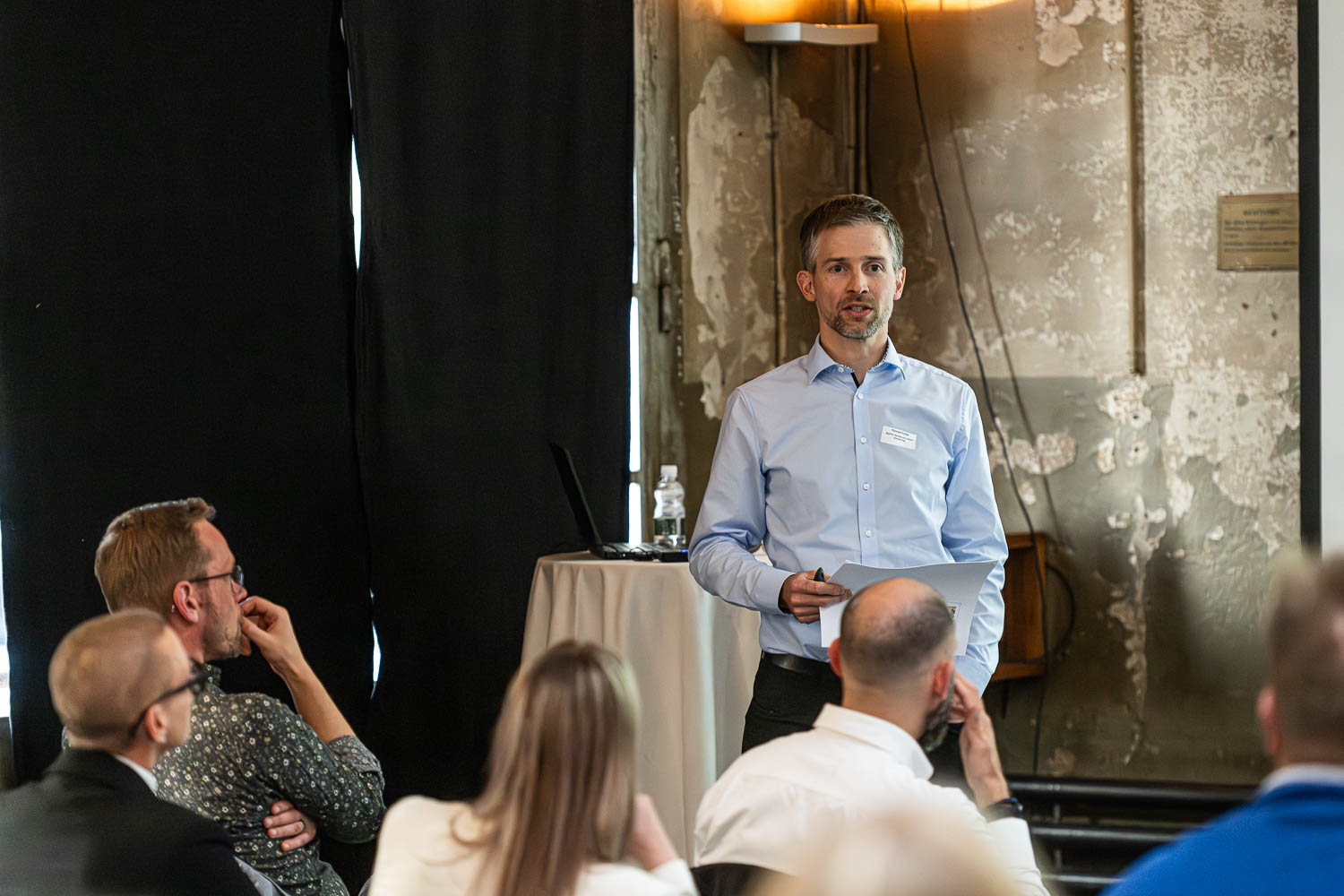
This was succinctly put in the following sentence: «Both are usually found in the same pipe, which doesn’t make things any easier.» The focus is on risk-based inspections, clear requirements for operation and maintenance, and the early identification of hygiene-related weaknesses. This highlighted just how important practical guidelines and clear lines of responsibility are in day-to-day operations.
Prevention must be part of day-to-day operations
To conclude, Andreas Bopp used the city of Zurich as an example to demonstrate how a large property portfolio can be managed using a structured legionella control programme. The focus was on risk-based self-monitoring, monitoring, temperature checks, sampling, operational guidelines and clearly defined procedures in the event of any anomalies.
This made it clear that prevention must be part of day-to-day operations and should not only begin once a problem has already arisen. The presentation demonstrated in very concrete terms how technical monitoring, organisational processes and documented measures must work together to ensure that risks remain manageable.
My key takeaways
The event clearly demonstrated that hygiene can only be effective in the long term if expertise, processes, management, enforcement and practical implementation all work together seamlessly. Good hygiene is no accident, but the result of a well-functioning system.
- Good hygiene is not achieved through individual measures, but through a coordinated system.
- Documentation is essential, both for safe operation and for legal compliance.
- Filters can reduce the risks associated with a Legionella problem, but they are no substitute for a long-term solution.
- Facility management is a key factor in ensuring safe and hygienic operational processes.
- Audits help to create transparency, identify weaknesses at an early stage and systematically implement improvements.
- Infection prevention works best when it is embedded in the organisation and underpinned by a strong culture.
- Risk-based controls and clear processes are crucial for identifying problems at an early stage and taking effective action.
- Prevention must be part of day-to-day operations and must not only begin once damage has already occurred.
Anzahl Likes:0
Share post
Knowledge articles from this category


Our platform partners share their knowledge and high-quality products on Hygieneforum.ch - we introduce our platform partners.
To the partnerships
Emergency
Hygiene emergency
Emergency
Hygiene emergency