

28.05.26
SN 22500 and SWKI VA105-01 – different approaches to operating theatre planning and their implications for planning and operations
With the revision of SN 22500, a revised version of the standard has been available since the end of 2025; the standard was first published in 2011 and has now been replaced. The current edition has been in force since 1 December 2025 [1]. It has been the subject of increasing discussion within the industry so far in 2026. The standard describes structural, technical and organisational requirements for operating theatres under the guiding principle of Good Operating Practice. It thus adopts an approach that goes beyond purely technical issues and takes the entire operation into account [1]. In parallel, SWKI VA105-01 provides an established set of regulations for ventilation and air-conditioning systems in rooms used for medical purposes. The guideline has been firmly established in practice for years and defines specific ventilation concepts as well as the documentation required to verify them. The basis for mechanical ventilation in Switzerland is the SIA 382/1 standard, which refers to SWKI VA105-01 in this context [4]. This means there are two different approaches with comparable objectives regarding infection prevention and operational quality, but with clearly different methodologies and systems.
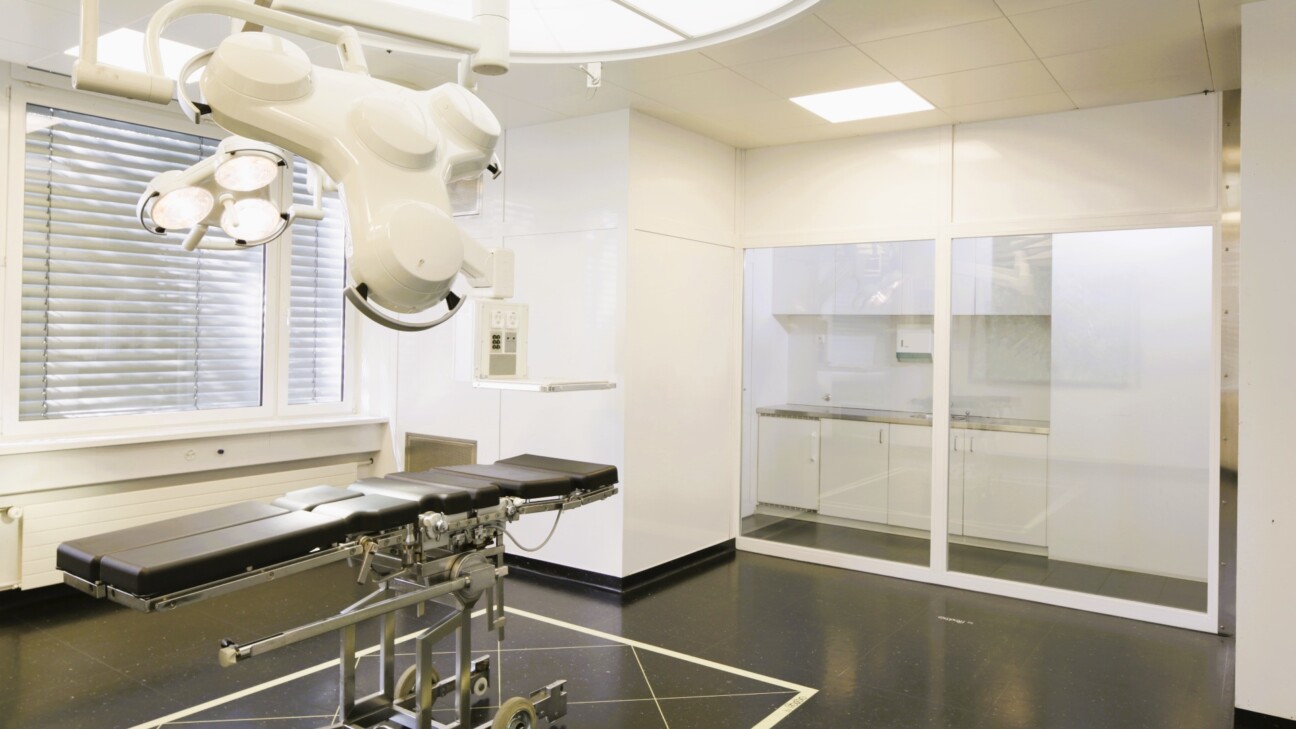
Legal classification
SN 22500 clearly states that it has no legal force in its own right. It is a consensus document drawn up by various bodies and only becomes binding when it is incorporated into contracts or referenced in laws and regulations [1].
This classification is supported by the expert opinion of the Federal Office of Energy. Private regulations, such as standards or guidelines, are legally binding only if they form part of a contract or are adopted by government regulations. Furthermore, they do not automatically reflect generally accepted technical standards, but only do so under certain conditions [3].
Against this background, both SWKI VA105-01 and SN 22500 should be regarded as potential sets of regulations, the application of which must be determined on a project-by-project basis.
Allocation of responsibilities – SNV and SIA
The development of technical standards in the construction sector in Switzerland follows a traditional structure. As the specialist body for ‘Construction’, the SIA is responsible for drafting the content of standards in the fields of construction and building services engineering, whilst the SNV, as the national standards organisation, is responsible for publication, coordination and international harmonisation.
SN 22500 was developed and published by a standards committee within the SNV [1]. At the same time, it covers areas such as ventilation and air conditioning, building services engineering and operational requirements – areas which, in practice, are regulated by SIA standards and the technical guidelines based on them.
This results in existing structures being overlaid. A technical standard has been developed outside the established SIA standards framework, even though a well-established set of rules already exists. This situation makes classification difficult and leads to scope for interpretation in its application. This is exacerbated by the SIA’s critical stance during the consultation process. There is no clear integration into the existing standards structure, which further complicates its application.
Integration into existing clinical practice
For many years, the planning of operating theatres in Switzerland has been based on clearly structured technical guidelines. In the field of ventilation and air conditioning, the SWKI VA105-01 has established itself as a practical tool.
SN 22500 takes a different approach. It sets out requirements for processes, procedures and target states, such as zoning concepts, people and material flows, and the organisational framework for operations [1]. The technical implementation is not specified in detail and must be developed on a project-specific basis. The focus thus shifts from the selection of a defined system to the development of a holistic operational and usage concept.
Different approaches
The SWKI VA105-01 takes a technically oriented approach, featuring defined ventilation concepts, clear performance parameters and standardised verification procedures. This results in a straightforward and reproducible implementation process [2].
SN 22500 sets out requirements for the interaction between technology, organisation and usage within the framework of the GOP approach. The technical solution forms part of an overall system. This results in a greater need for coordination, as operational processes must be taken into account alongside the technology [1].
Scientific evidence – no evidence that the GOP approach is superior
From today’s perspective, there is no robust scientific evidence to suggest that the GOP-based approach outlined in SN 22500 leads to better clinical outcomes than established technical concepts. The standard itself states that the evidence base in the field of surgical ventilation is limited overall and that key questions, particularly regarding the optimal airflow pattern, cannot be answered conclusively [1].
The GOP approach, which originated in regulated industrial sectors such as the pharmaceutical and medical technology industries, primarily leads to an expansion of verification and evaluation methodologies. The focus is on validation, documentation and periodic re-qualification of the entire system. However, this expansion does not represent a new physical or medical insight, but rather a methodological shift towards a more comprehensive understanding of testing and processes. No additional benefit in terms of a demonstrable reduction in postoperative infections can be inferred from this as yet.
At the same time, the additional workload is clearly evident. The increased requirements regarding qualifications, monitoring and documentation result in greater effort being required in planning, implementation and operation. Consequently, a demonstrable increase in resource requirements is not matched by any corresponding, scientifically substantiated added value.
The difference between the approaches therefore does not lie in any proven superiority, but rather in the nature of the evidence: whilst existing regulatory frameworks assess the technical effectiveness of systems, the GOP approach extends the evaluation to include processes and organisation – without it being possible to derive any clearly quantifiable benefit for clinical outcomes from this.
Qualification as the key difference
The most striking difference between the two sets of rules is in the area of qualifications.
The SWKI VA105-01 specifies clearly defined qualification procedures. These are directly linked to the chosen ventilation concepts. For operating theatres, for example, depending on the concept, measurements of the protection level or recovery time are carried out. These procedures are standardised and enable a reproducible assessment of technical performance [2].
The cleanliness class of the operating theatre (Class 1a) is determined as an overall system, taking into account flow-relevant fixtures and defined minimum loads. For newly built or refurbished operating theatres, the relevant minimum requirements apply [2].
Operating theatres with mixed ventilation according to Concept 1b are assessed by means of a recovery time test. Further measurements, such as those relating to particle cleanliness class, are not required under the guideline [2]. Periodic inspections are also provided for. Re-qualification takes place at specified intervals and focuses on the key technical parameters of the system [2].The cleanliness class of the operating theatre (Class 1a) is determined as an overall system, taking into account flow-relevant fixtures and defined minimum loads. For newly built or refurbished operating theatres, the relevant minimum requirements apply [2].
Operating theatres with mixed ventilation according to Concept 1b are assessed by means of a recovery time test. Further measurements, such as those relating to particle cleanliness class, are not required under the guideline [2]. Periodic inspections are also provided for. Re-qualification takes place at specified intervals and focuses on the key technical parameters of the system [2].
SN 22500 significantly expands on this understanding. Qualification is understood not merely as technical verification, but as a continuous process spanning the entire life cycle. The standard requires a systematic sequence of specification, qualification, validation and subsequent re-qualification. This covers not only technical equipment, but also processes, procedures and organisational structures [1].
A key point is annual re-qualification. SN 22500 requires that installations be re-qualified annually following their initial qualification. This work must be carried out by independent and qualified inspection bodies on the basis of a manufacturer-neutral qualification programme and a measurement point plan. Installations may only be operated whilst in a qualified state [1].
Unlike the SWKI, recertification in accordance with SN 22500 encompasses not only standard ventilation tests, but also more extensive documentation and, depending on the design, additional evidence such as classification, flow direction, microbiological assessment and smoke tests [1].
The requirements go well beyond a standard technical acceptance test; furthermore, the re-certification intervals are shorter.
Impact on planning and operations
The expanded requirements of SN 22500 result in increased workload during the planning, implementation and operational phases.
During the planning phase, the need for coordination increases as more factors have to be taken into account. During implementation, additional work is required due to more extensive checks and documentation.
In practice, regular retraining has a significant impact. This requires additional resources – technical, financial and organisational [1].
The SWKI VA105-01, on the other hand, allows for a more standardised approach. The technical solutions are defined, and the verification focuses on clearly defined parameters [2].
Classification of cost implications
From an engineering perspective, it can be assumed that the requirements of SN 22500 will result in increased operational costs. This is due in particular to the expanded qualification system, the additional tests and the documentation requirements [1].
These additional costs arise less from the technology itself than from the extra processes involved. They have the greatest impact during operation, over the entire lifespan of a plant.
Due to its more standardised approach, the SWKI VA105-01 generally results in less organisational effort [2].
Given the limited evidence available, this raises the legitimate technical question of whether the additional testing and validation requirements of SN 22500 are proportionate to its proven benefits. This question remains open at present.
Implications for practice
The coexistence of both sets of rules leads to uncertainty in their application. Different requirements can result in different solutions, even for comparable projects.
Building owners and operators need to decide at an early stage which set of regulations to apply. This decision has a significant long-term impact on costs throughout the planning, construction and operational phases.
For planners, this situation means there is a greater need for coordination. The clear technical guidelines are supplemented by additional procedural requirements.
Fazit
SN 22500 broadens the perspective on operating theatres by adopting a more process- and validation-oriented approach. This leads to a more systematic and comprehensive consideration of planning, implementation and operation. At the same time, this approach entails a significant increase in workload, particularly due to the expanded requirements for qualification, re-qualification and documentation.
The GOP approach does not represent a further development of existing surgical guidelines, but rather the application of industrial validation principles to the clinical setting – without this application having yet been standardised internationally or scientifically validated.
By contrast, the SWKI guideline VA105-01 is a technically sound, consistent set of rules that has been tried and tested in practice for more than twenty years.
It is based on clearly defined ventilation concepts and sound verification methods that have become established in practice. The focus is on the technical effectiveness of the systems, whilst ensuring that the costs of planning, installation and operation remain manageable.
Against this background, SWKI VA105-01 remains a robust and efficient framework for the planning, implementation and operation of surgical departments. SN 22500 represents a complementary, yet significantly more complex system, the added value of which has not yet been clearly demonstrated.
Bibliography
[1] SN 22500:2025 – Strukturelle Anforderungen an Operationsabteilungen unter Berücksichtigung der Good Operating Practice. Schweizerische Normen-Vereinigung, Winterthur.
[2] SWKI VA105-01:2015 – Raumlufttechnische Anlagen in medizinisch genutzten Räumen. Schweizerischer Verein von Gebäudetechnik-Ingenieuren.
[3] Rechtliche Anforderungen an Trinkwasserinstallationen im Gebäude. Wissenschaftliches Gutachten vom 13.04.2022 im Auftrag des Bundesamts für Energie BFE.
[4] SIA 382/1 – Mechanische Lüftung in Gebäuden – Grundlagen und Anforderungen. SIA Schweizerischer Ingenieur- und Architektenverein
Anzahl Likes:0
Share post
Knowledge articles from this category


Suitable offers
Machines
to the provider
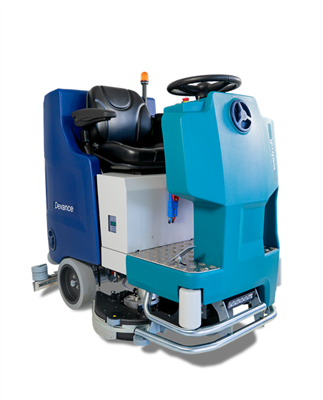
Wetrok Drivematic Devance
Machines
to the provider
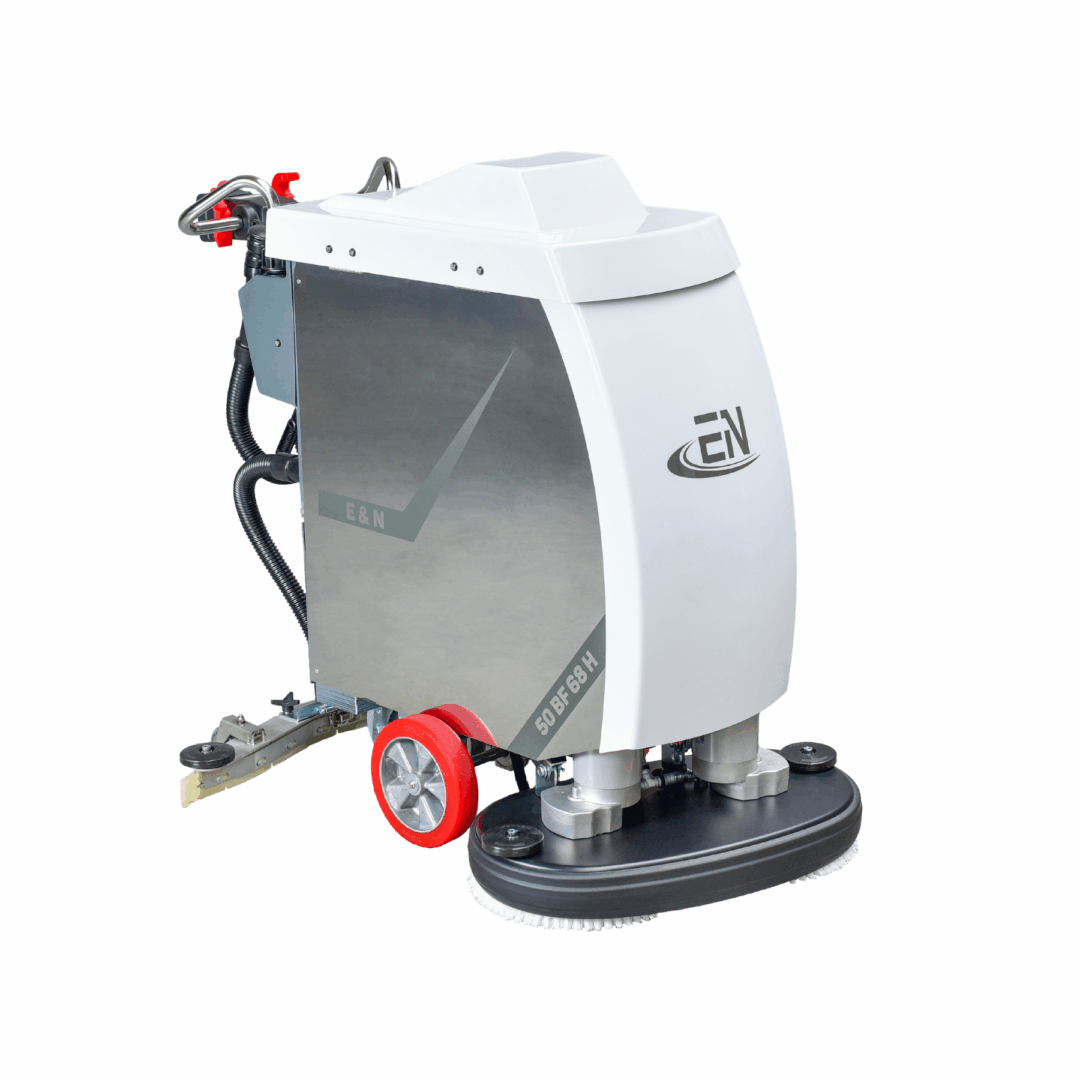
IPC EN Hospital Scrubber Dryer 50 BF 68 H
Machines
to the provider
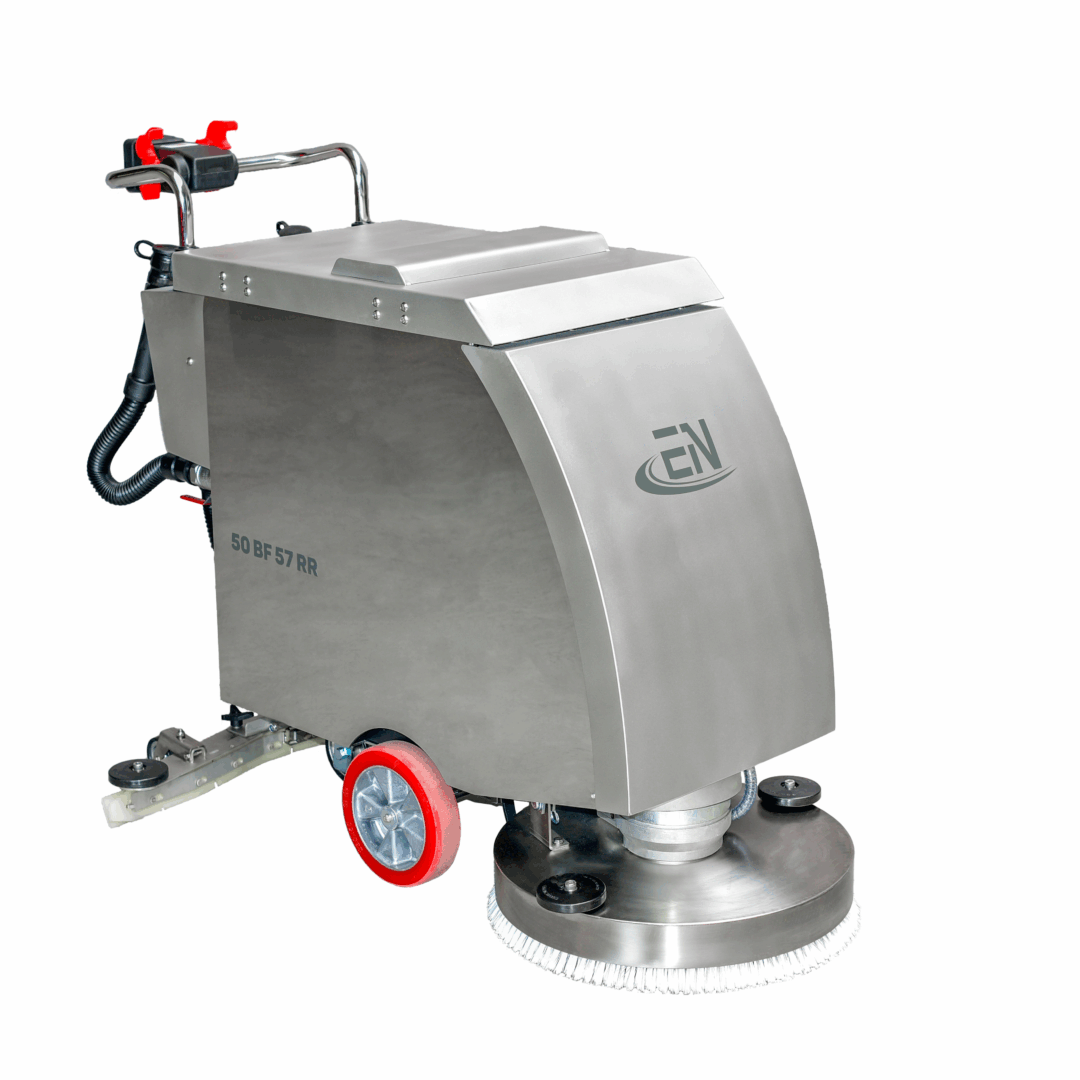
IPC EN Cleanroom scrubber-dryer 50 BF 57 RR
Machines
to the provider
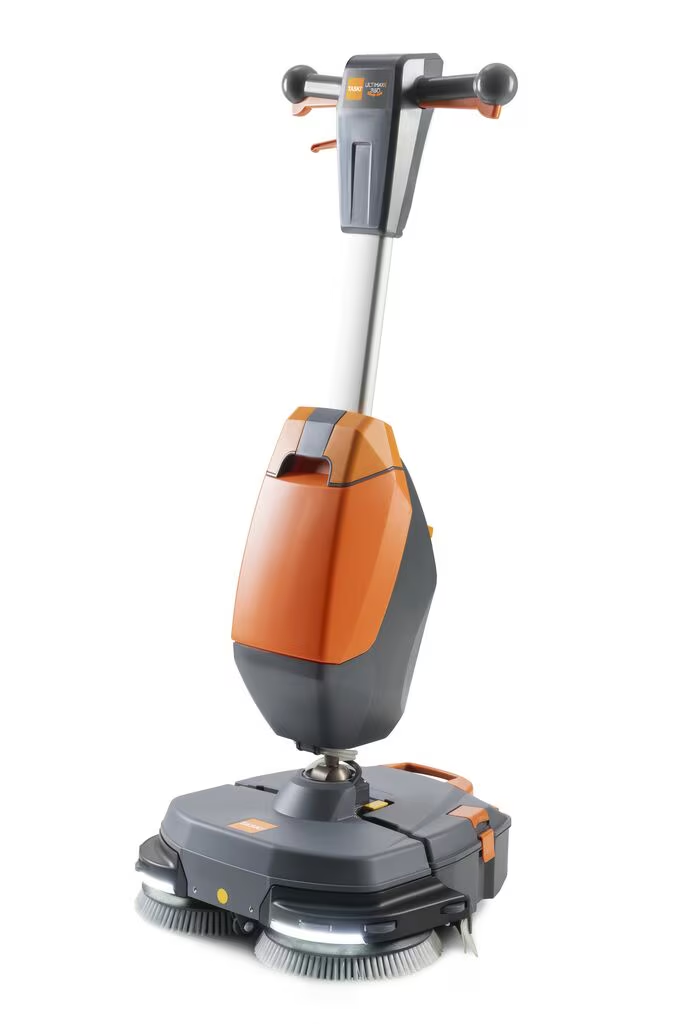
TASKI ULTIMAXX 360
Textiles
to the provider
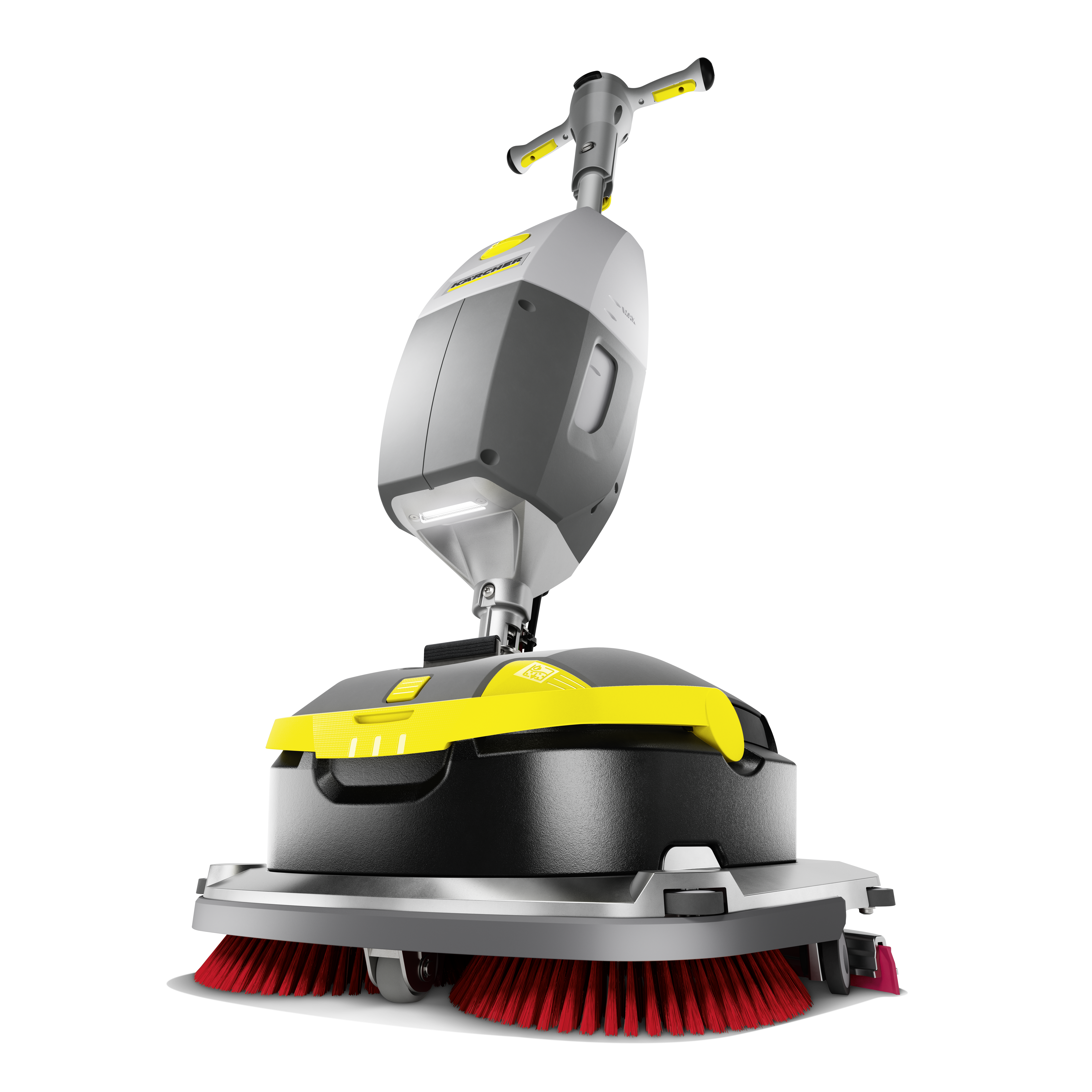
Kärcher K-Mop 46
Washroom
to the provider
Diversey Lesseau
Machines
to the provider
Wetrok Spin BeFree
Machines
zum Anbieter
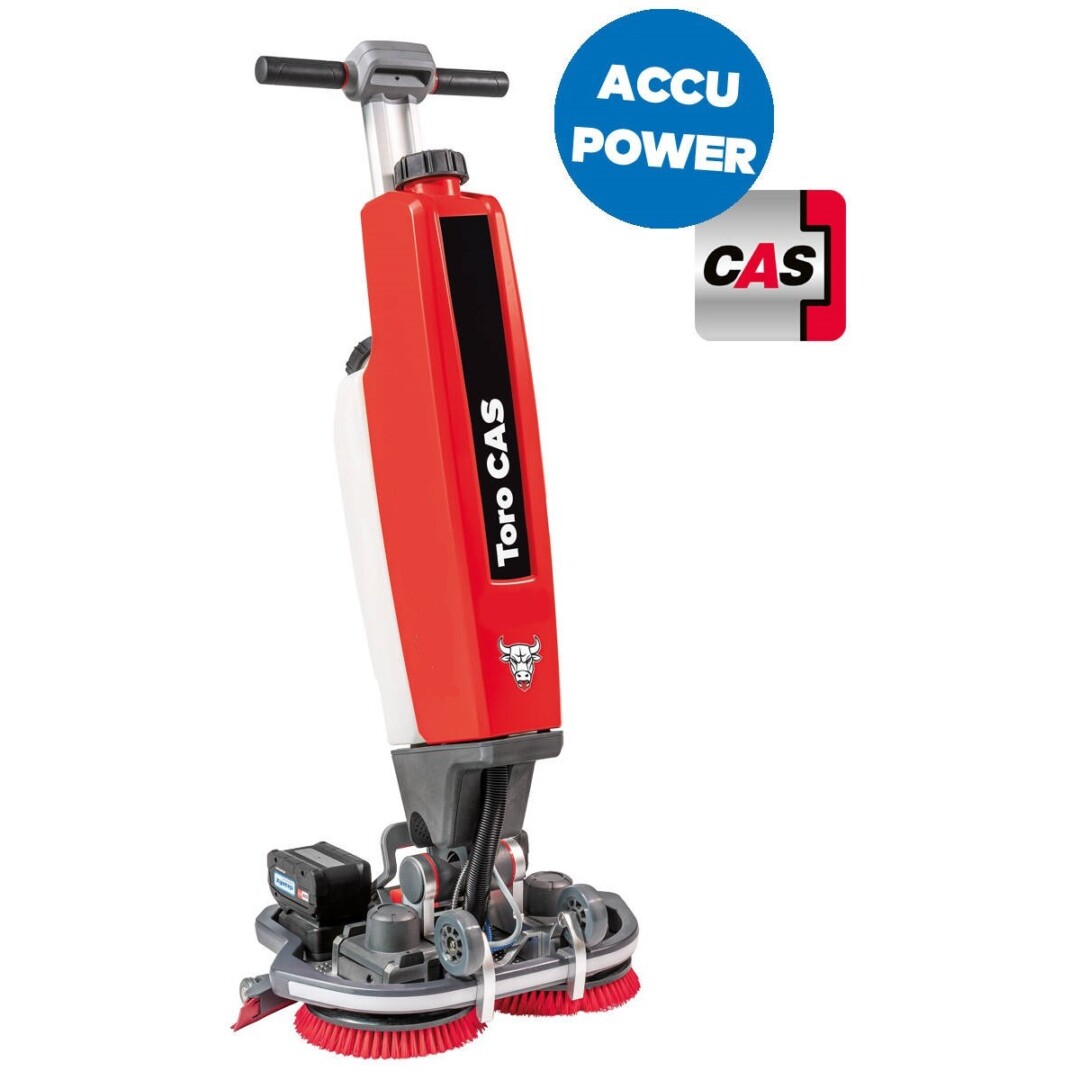
Cleanfix Toro CAS scrubber-dryer

Cleaning material
to the provider
Wetrok Masslinn 2000 Rolle
Textiles
to the provider
Wetrok Masslinn gelb
Cleaning material
to the provider
Wetrok Quick&Clean 20
Textiles
to the provider
Wetrok wetco micro soft blau
Our platform partners share their knowledge and high-quality products on Hygieneforum.ch - we introduce our platform partners.
To the partnerships
Emergency
Hygiene emergency
Emergency
Hygiene emergency