

14.11.25
We venture a glimpse into the future: How artificial intelligence could change cleaning by 2035
From autonomous disinfection robots to data-driven hygiene planning, AI is on the verge of fundamentally changing the world of cleaning. What still sounds like a distant dream today could become the new standard within the next ten years.
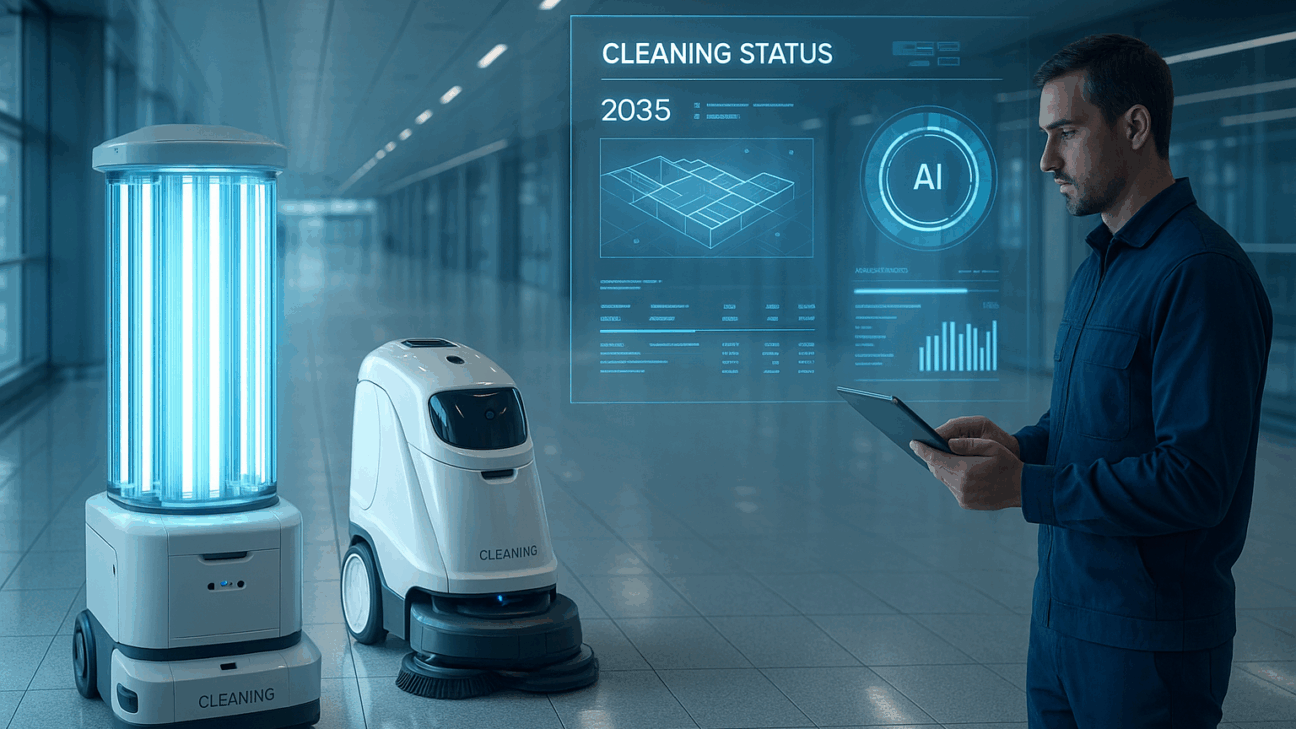
The silent revolution begins in the operating theatre and at the gate
They are already in use in hospitals, airports and logistics centres: robots for floor cleaning and autonomous systems that disinfect rooms with UV-C light or hydrogen peroxide (H₂O₂). These robots work precisely, digitally log each cycle and provide traceability at the touch of a button. What is being tested today will find its way into other environments such as airports, railway stations and shopping centres in the coming years.
Cleaning according to a schedule is a thing of the past; cleaning as needed is the future.
Thanks to computer vision (CV), AI-supported systems can already detect waste, liquids or contaminated surfaces with up to 97% accuracy in the laboratory and around 90% accuracy in real time. This means that a sensor network reports where cleaning is required and the machine or team responds accordingly. This conserves resources: initial field reports show savings of up to 76% in water and chemicals through more targeted work. (Source: Service Robots in the Healthcare Sector)
When machines talk to each other
Soon, cleaning fleets will think and act independently: Several robots will divide up areas, coordinate with each other and report maintenance requirements at an early stage. At the same time, integration into digital building models (BIM, digital twins, building management systems) is growing. This creates a complete, digital image of the building, including its cleanliness status.
People are given new tasks
AI and robots will not completely replace humans. However, they will change their tasks. In the coming years, the industry will need more technicians, data analysts and system operators. Routine work and activities that are harmful to health will become less common, but technical and communication skills will become more important.
In ten years, cleaning could look like this:
- Intelligent robot fleets clean selectively and autonomously
- People take on the more complex cleaning tasks
- AI systems plan shifts, detect contamination and control operations
New models such as Robot-as-a-Service (RaaS) make state-of-the-art technology affordable for medium-sized businesses too. However, the change remains gradual. The biggest leaps are happening where data quality, training and governance are right, i.e. in large buildings or hospitals. Small businesses will follow later, once standards and prices have stabilised.
Sources:
Cobotik in der Reinigungstechnik
https://reinigungsmanagement.fm-connect.com/reinigungskonzept/reinigungstechnik/cobotik/
Von den Tagesrändern zu den Geschäftszeiten – Potenziale und Herausforderungen einer Umstellung auf Tagreinigung
https://www.researchgate.net/publication/377333081_Von_den_Tagesrandern_zu_den_Geschaftszeiten_Potenziale_und_Herausforderungen_einer_Umstellung_auf_Tagreinigung
Smart Cleaning – Cleanfix
https://www.cleanfix.ch/smart-cleaning
Service Robots in the Healthcare Sector
https://www.researchgate.net/publication/349976485_Service_Robots_in_the_Healthcare_Sector
Robotics – Article (MDPI)
https://doi.org/10.3390/robotics10010047
A Roadmap for US Robotics
https://doi.org/10.1561/2300000066
Artificial Intelligence and Applications – Article
https://doi.org/10.47852/bonviewAIA52023691
Automation in Cleaning
https://doi.org/10.1007/978-3-031-88149-7_4
Gebäudereinigung 2025 – Digitalisierung und Nachhaltigkeit
https://cleanmanager.de/blog/de/gebaudereinigung-2025-digitalisierung-und-nachhaltigkeit/
Anzahl Likes:0
Share post
Knowledge articles from this category


Suitable offers
Machines
to the provider
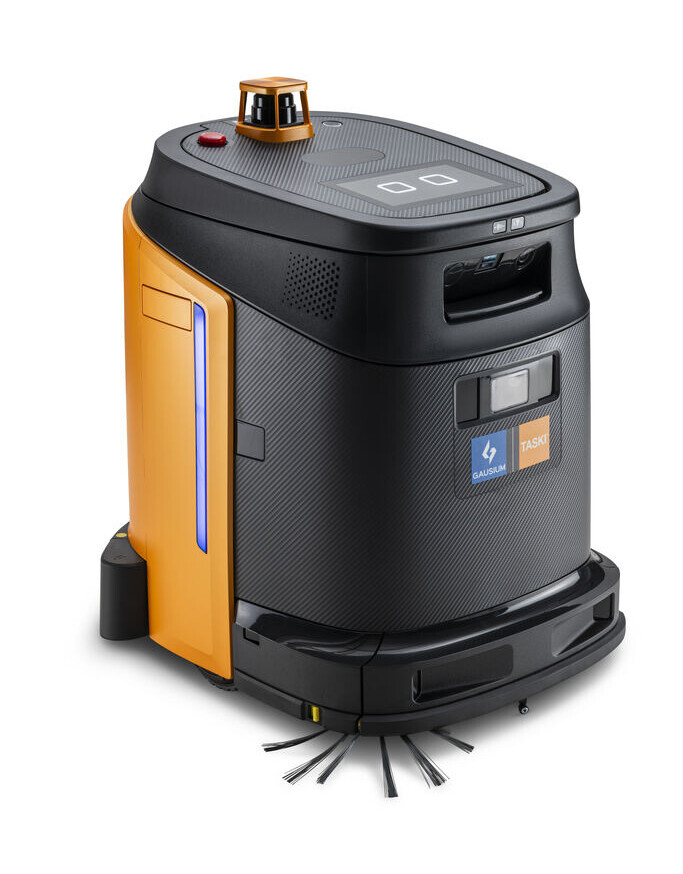
TASKI Phantas
Machines
to the supplier
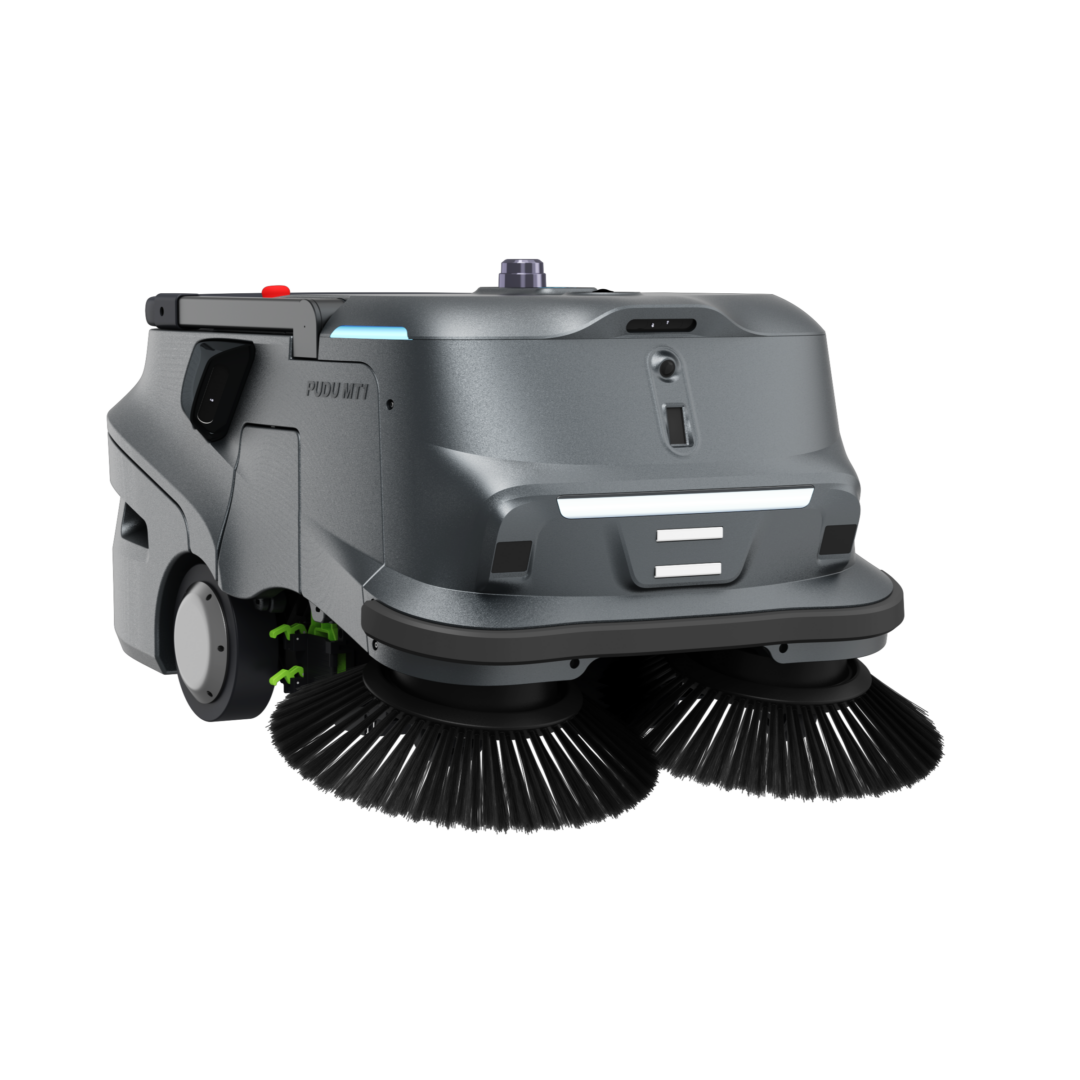
PUDU MT1 AI-controlled robot sweeper
Machines
to the provider
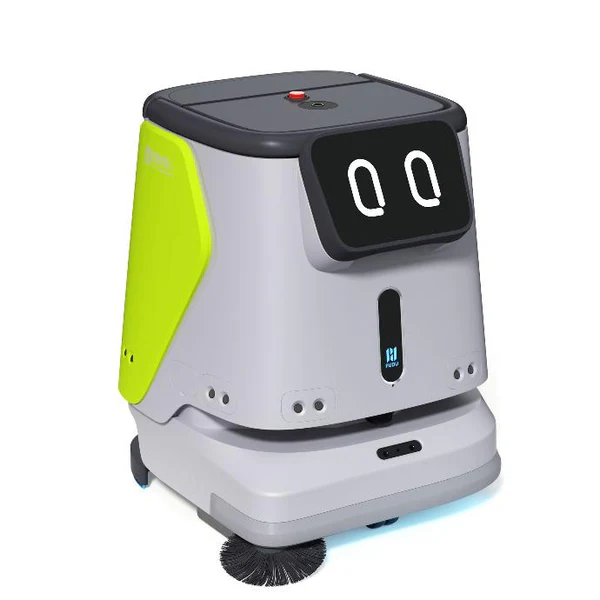
PUDU CC1 dry and wet vacuum robot
Machines
to the provider
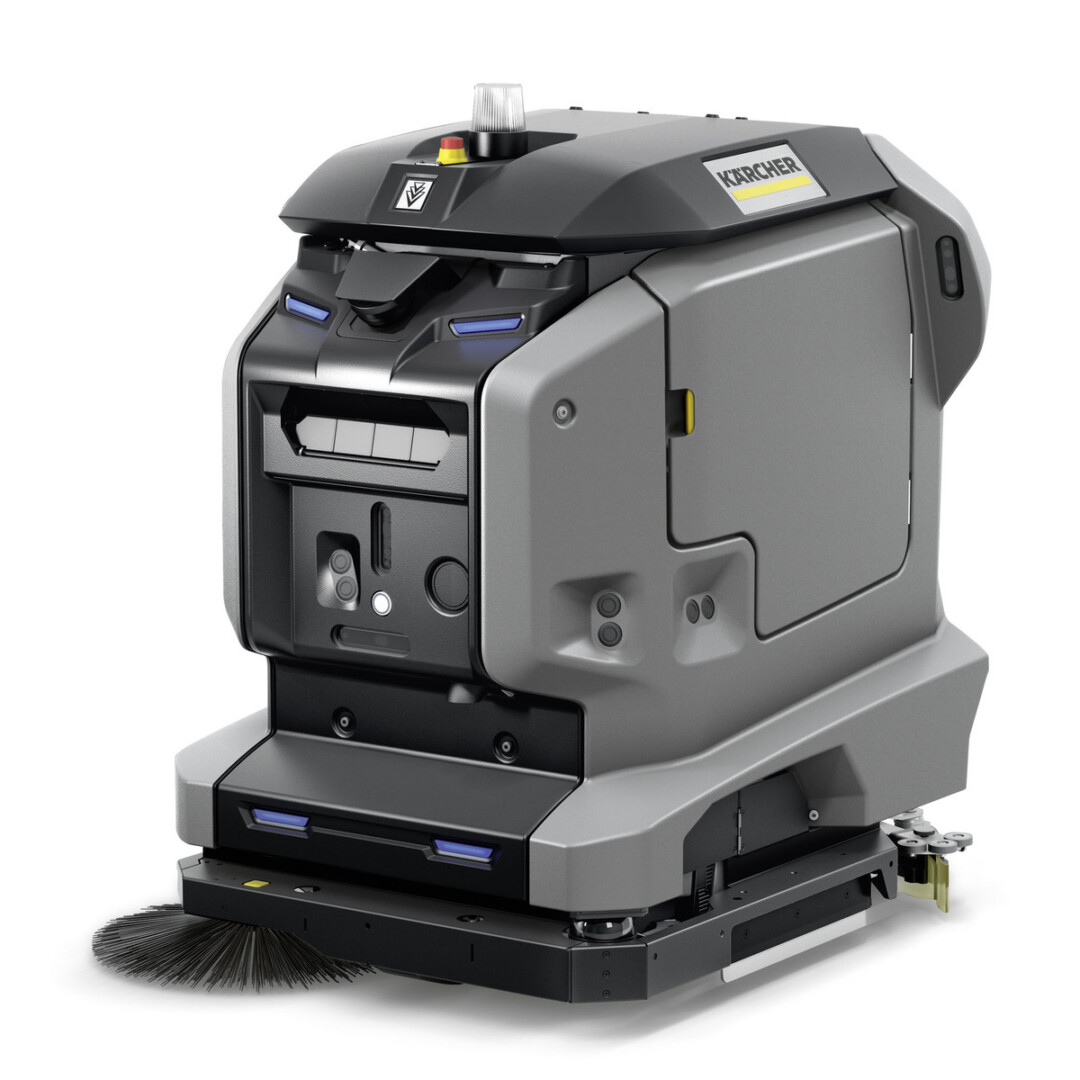
Kärcher Scrubber dryer KIRA B 50
Machines
to the provider
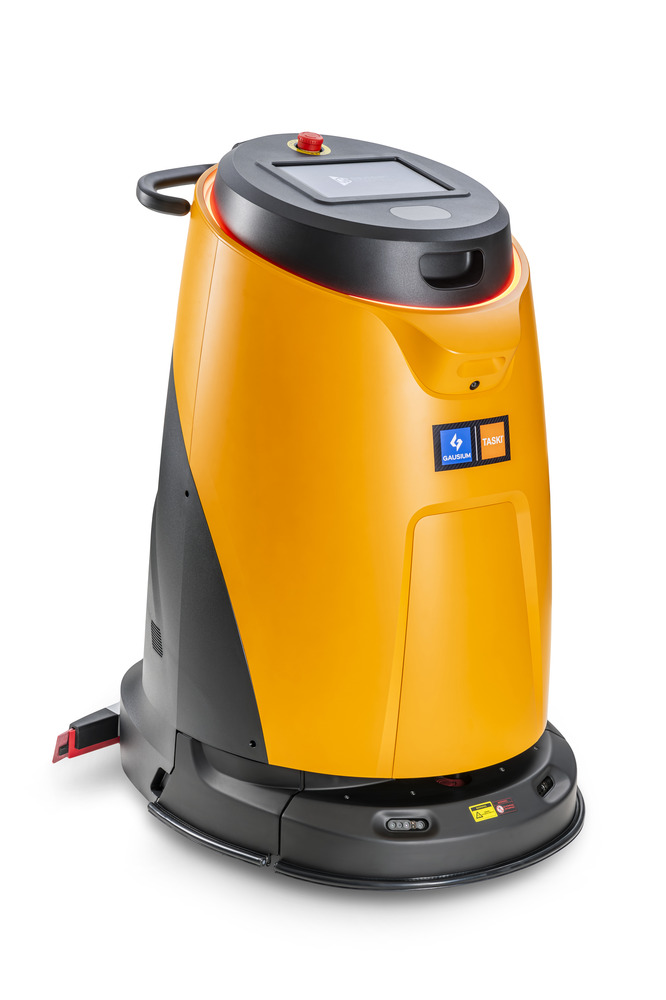
TASKI GS Ecobot 50 Pro – 2.0
Our platform partners share their knowledge and high-quality products on Hygieneforum.ch - we introduce our platform partners.
To the partnerships
Emergency
Hygiene emergency
Emergency
Hygiene emergency