

28.08.26
Health and hygiene in buildings: How applied research benefits planning and construction
Installers and designers bear a key responsibility for the health of building occupants. Particularly in the case of drinking water and ventilation systems, the quality of the design, installation and operation determines whether the systems function safely, efficiently and in compliance with regulations in the long term. The Health and Hygiene Research Group at Lucerne University of Applied Sciences and Arts (HSLU) – Technology & Architecture supports the industry in this regard with practical research, state-of-the-art measurement methods and targeted continuing professional development programmes.
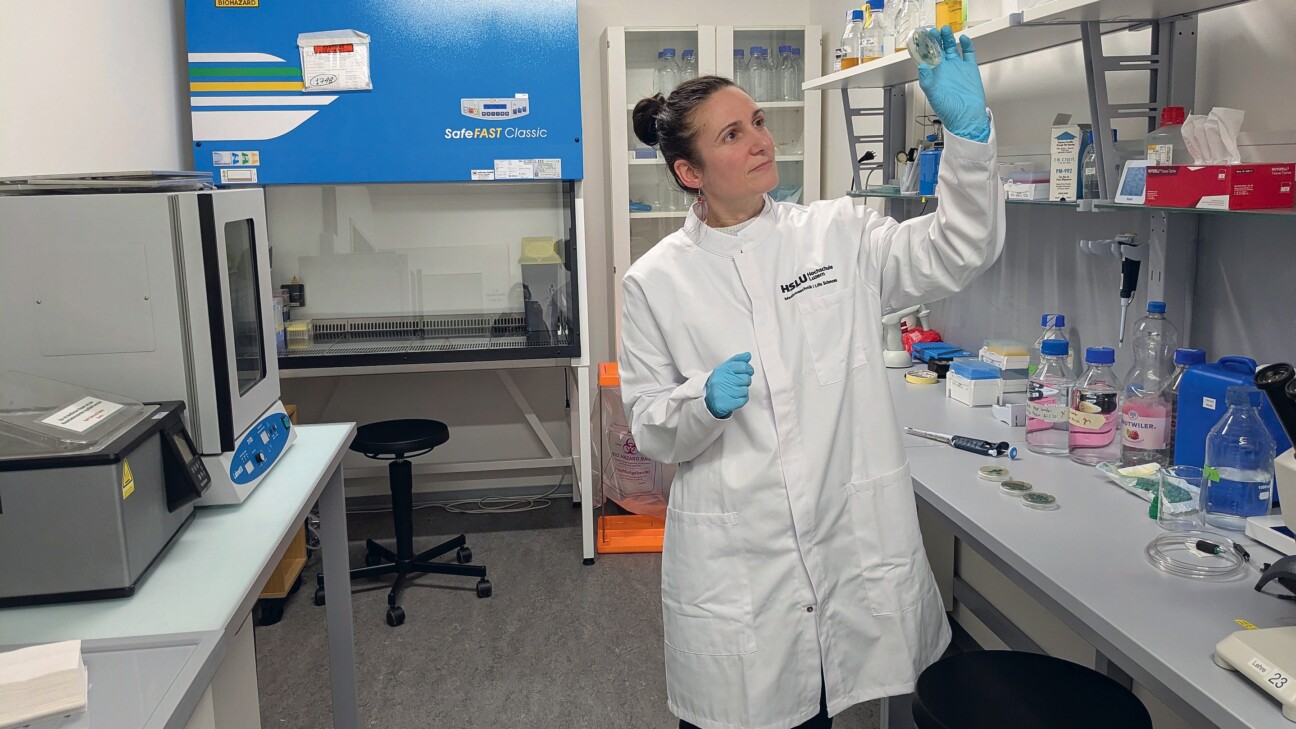
A specialist article by the Health and Hygiene Research Group at Lucerne University of Applied Sciences and Arts (HSLU) – Technology & Architecture
Introduction: The growing importance of building hygiene
As people in modern societies now spend up to 90 per cent of their time indoors, building hygiene is becoming an increasingly important focus. It is a crucial factor in the health, well-being and productivity of the people who spend time in buildings. However, a healthy indoor environment is not created solely by visually clean surfaces, but through the complex physical and biological interplay of indoor air quality, thermal comfort, acoustics and light. This is precisely where the applied scientific work of the HSLU comes into its own.
Health and Hygiene Research Group: Interdisciplinary and practice-oriented
The Health and Hygiene Research Group at HSLU is based at the Institute of Building Services and Energy (IGE) and focuses primarily on the core areas of indoor air quality and drinking water hygiene. The team brings together in-depth expertise in sanitary and ventilation engineering, chemistry, microbiology and health protection. This interdisciplinary combination enables even highly complex issues to be examined holistically and resolved through a multidisciplinary approach.
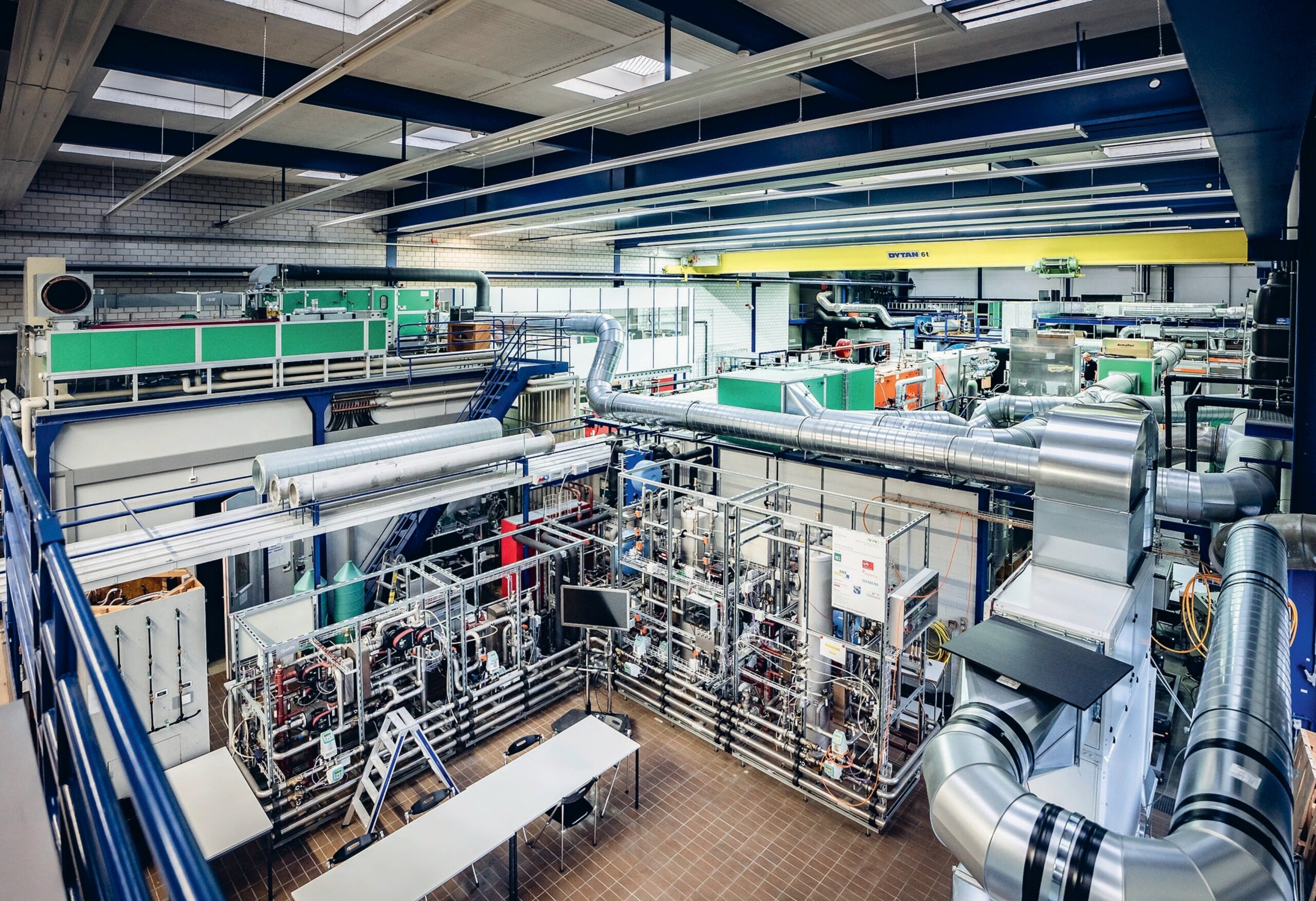
A particular advantage for the Swiss construction and installation sector: the research group has direct access to the state-of-the-art building services engineering laboratory and the microbiology laboratory at the Horw and Hergiswil campuses.
A particular advantage for the Swiss construction and installation sector: the research group has direct access to the state-of-the-art building services engineering laboratory and the microbiology laboratory at the Horw and Hergiswil campuses.
This enables practical tests to be carried out on a real-world 1:1 scale – for example, on complex hot-water systems or industrial ventilation systems. The water and air samples collected are then analysed in-house for microbiological and chemical properties without any delay. Swiss design partners and clients thus receive everything from a single source – efficiently, seamlessly and without the need for additional coordination.
The research group also maintains close, ongoing contact with specialist bodies and associations such as the Swiss Society of Engineers and Architects (SIA) and the Swiss Gas and Water Association (SVGW). It has a network of leading universities and innovative companies in the fields of planning, construction and operation, both nationally and internationally.
Focus on drinking water hygiene: balancing safety and energy efficiency
Whilst the quality of drinking water in Swiss municipal water networks is generally impeccable right up to the point of delivery to the property, the real hygiene challenge lies within the building’s plumbing systems. Stagnation (standing water), unwanted heating and the introduction of nutrients from water-bearing surfaces can lead to microorganisms multiplying rapidly within the system. These include facultative pathogens such as Legionella pneumophila and Pseudomonas aeruginosa.
For planners, installers and operators, this means that comprehensive hygiene measures must be strictly implemented during the planning and construction phases, as well as during ongoing operation, in order to consistently prevent infections amongst users. However, chemical contamination also plays a role: undesirable substances can enter tap water as a result of material migration or corrosion processes. The installation of tested, certified materials suitable for contact with drinking water, consistent adherence to the recommended target temperatures for cold and hot water, and regular, complete water replacement reduce contamination and bacterial growth to a minimum in practice.
Two key social and technological developments are currently making this tension increasingly acute:
- Demographic change and medical progress: The proportion of the population in Switzerland who are elderly or immunocompromised will continue to rise significantly in the coming years. This group in particular is especially vulnerable to waterborne infectious diseases, which is why the demands on water hygiene in building management are increasing dramatically.
- Energy and resource efficiency: At the same time, political and social pressure to conserve energy and water is mounting. Yet it is precisely the traditional thermal method of Legionella prevention – involving consistently high hot-water temperatures and frequent, thorough flushing – that is extremely energy- and resource-intensive.
The HSLU research group is therefore conducting in-depth research into how these stringent hygiene standards and modern energy efficiency requirements can be optimally reconciled from both a technical and economic perspective.
Research with direct practical relevance: the ‘LeCo’ project
A key area of research at HSLU is the energy-optimised prevention of Legionella whilst minimising resource consumption. Today’s domestic water systems in buildings must be optimised on both fronts – in terms of energy efficiency and hygiene.
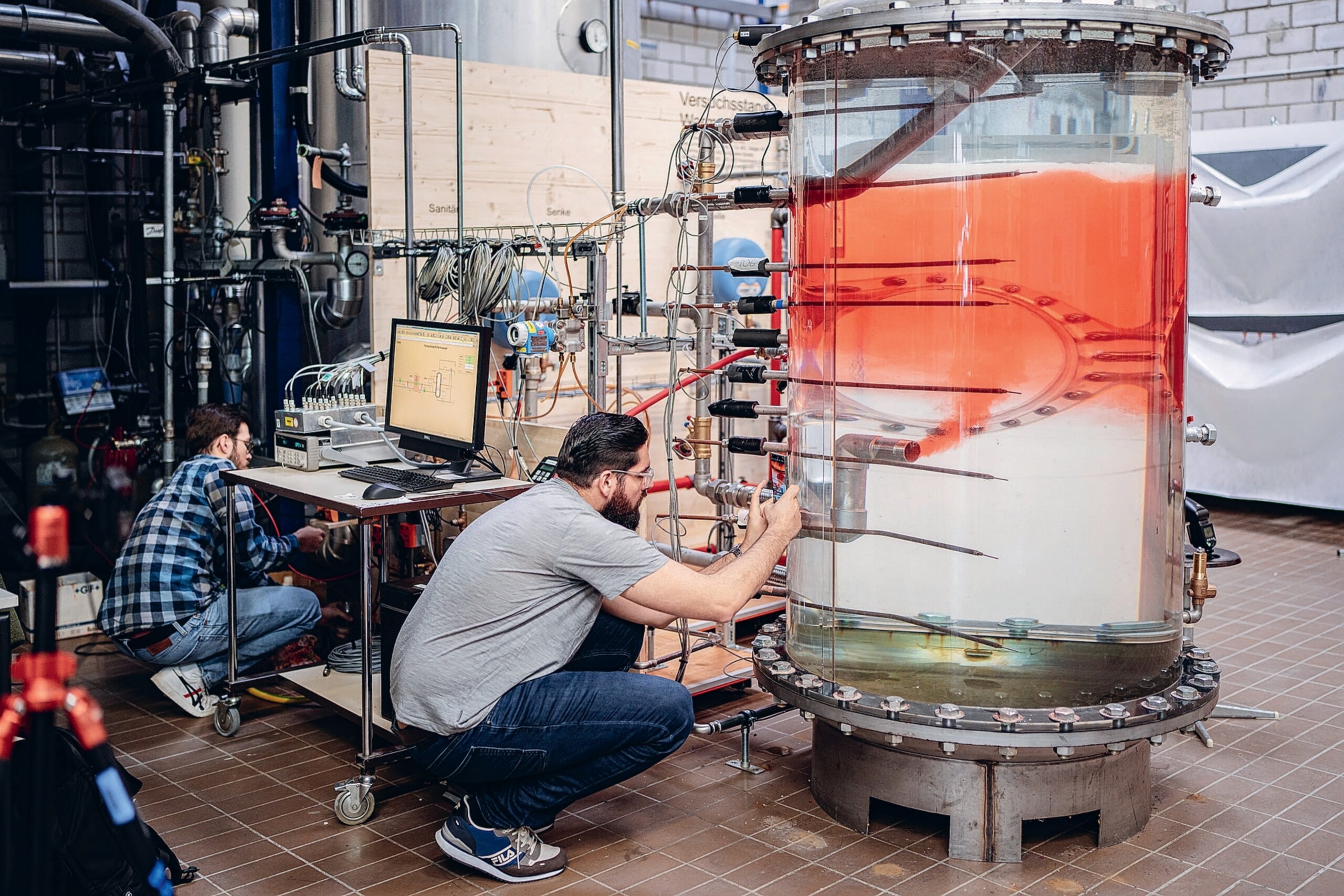
As part of the major national research project LeCo (2019 to 2024), the HSLU research group has conducted a detailed investigation into and optimisation of hot water production and distribution in the field of sanitary engineering. To this end, the thermal load of water heating systems was analysed and adjusted in terms of both energy efficiency and hygiene in the Building Services Engineering laboratory. These physical flow processes and thermal stratification were impressively demonstrated experimentally using a specially constructed, transparent hot-water storage tank.
Furthermore, as part of the LeCo project, microbiological sampling in buildings was standardised and documented as the official SVGW method description SVGW MW 101.
A significant paradigm shift: aspiration takes centre stage in care homes
Another aspect of great practical relevance concerns the question of where Legionella actually poses the greatest risk of infection in everyday life. At present, statutory maximum limits and regulatory checks in Switzerland apply primarily to shower facilities, as it was long assumed that the inhalation of aerosols whilst showering was the only relevant route of infection.
However, recent scientific studies suggest that, particularly in care homes and residential care homes, infections very often occur via entirely different sources – such as ordinary washbasins. There is evidence to suggest that care home residents are more likely to become infected through aspiration (i.e. swallowing contaminated tap water whilst drinking or during oral hygiene) than through inhalation.
A follow-up project is therefore planned in collaboration with the HSLU Institute for Nursing and Interprofessionality. As part of this, a real-life care home for the elderly will be examined in detail for potential sources of infection, and a comprehensive risk assessment will be carried out. These findings are important for future Swiss regulations and practical planning recommendations.
New microbiological methods: Faster detection, more targeted action
In addition to traditional research projects, the group is heavily involved in establishing and validating modern measurement and analysis methods for drinking water microbiology, which are playing an increasingly important role in remediation practice and building management. The HSLU presents three of these methods in more detail:
1. Determination of the total cell count using flow cytometry (FCM)
This method was established at the HSLU in close collaboration with Professor Emeritus Thomas Egli, in accordance with the SVGW MW 102 guideline. The determination of the total cell count using flow cytometry is a culture-independent method. In contrast to conventional bacterial count determination (aerobic mesophilic count, AMK according to EN ISO 6222), in which only the approximately 0.1 to 1 per cent of cultivable bacteria can be cultured and detected, and the result is only available after 3 days, flow cytometry detects all present microbial cells.
The measurement takes just 20 minutes and has an extremely low standard deviation of only around 4 per cent (compared with AMK: 20–30 per cent standard deviation). It is ideal for detecting changes in raw water quality, contamination or bacterial growth in reservoirs and distribution networks extremely quickly and accurately, as well as for continuously monitoring filtration processes.
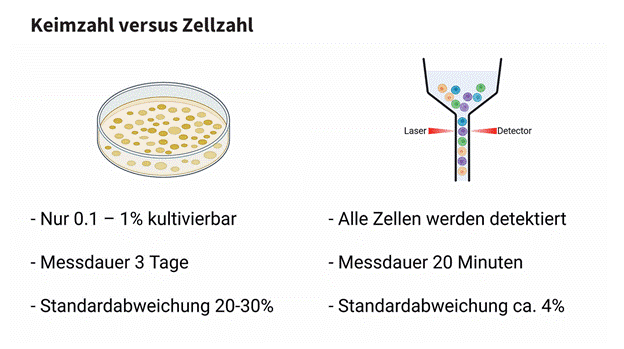
Caption: Fig. 4: Comparison of two methods for quantifying microorganisms in drinking water: the culture-based methods for determining the aerobic mesophilic plate count (EN ISO 6222) and the total cell count, quantified using a flow cytometer (SVGW MW 102). (Image source: Created in BioRender by Füchslin, H. (2026))Caption: Fig. 4: Comparison of two methods for quantifying microorganisms in drinking water: the culture-based methods for determining the aerobic mesophilic plate count (EN ISO 6222) and the total cell count, quantified using a flow cytometer (SVGW MW 102). (Image source: Created in BioRender by Füchslin, H. (2026))
2. The BioMIG Method
This innovative method for determining the biofilm-forming potential of plastics was developed in collaboration with the water research institute Eawag. The method is also based on flow cytometry and is capable of precisely quantifying the microbial nutrient input from plastics in contact with drinking water. It provides significant support to manufacturers in developing hygienically optimised materials for contact with drinking water that extract as few nutrients as possible from the water and thus effectively suppress biofilm formation.
3. PCR detection of Legionella
The HSLU has established the quantitative PCR (qPCR) method for the rapid and specific detection of Legionella DNA. PCR detection in accordance with ISO 12869 represents a promising, highly accurate alternative to conventional culture. It is faster, more reliable and allows for a more detailed analysis. Whilst standard culture in accordance with ISO 11731 requires a lengthy incubation period of 8 to 15 days, PCR delivers reliable quantitative results within just 6 hours (a single working day). This offers an invaluable time advantage, particularly in the event of acute Legionnaires’ disease outbreaks and official case investigations, enabling sources of risk to be eliminated immediately.
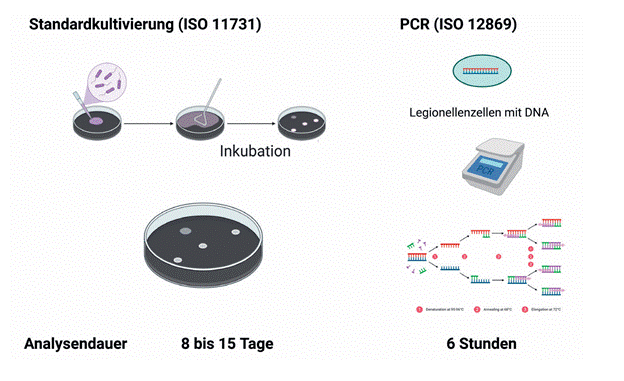
Caption: Fig. 5: Detection of Legionella: a comparison of two methods for detecting Legionella in shower water: the standard culture method ISO 11731 (left) and the PCR detection method (right). Results from the new PCR method are available after six hours. This is a decisive advantage when investigating cases of legionellosis. (Image source: Created in BioRender. Füchslin, H. (2026))Caption: Fig. 5: Detection of Legionella: a comparison of two methods for detecting Legionella in shower water: the standard culture method ISO 11731 (left) and the PCR detection method (right). Results from the new PCR method are available after six hours. This is a decisive advantage when investigating cases of legionellosis. (Image source: Created in BioRender. Füchslin, H. (2026))
Indoor air quality: Striking a balance between health and energy efficiency
With an average consumption of around 12 kg of breathing air per person per day, air is, from a physiological point of view, by far the most important ‘nutrient’ for humans. This makes air hygiene a central pillar of modern building hygiene. Pollutants and microbiological contamination in indoor air can lead to acute symptoms such as headaches, irritation of the mucous membranes or breathing difficulties. Tragically, many forms of contamination remain completely symptom-free for long periods and only gradually exert their harmful effects on health, which can lead to severe chronic conditions.
The HSLU research group investigates indoor air quality under real-world conditions. Using specialised, high-precision measuring instruments, pollutant levels are measured at specific points directly at workstations, in workshops or in living spaces, in order to thoroughly verify compliance with WHO and occupational health and safety guidelines.
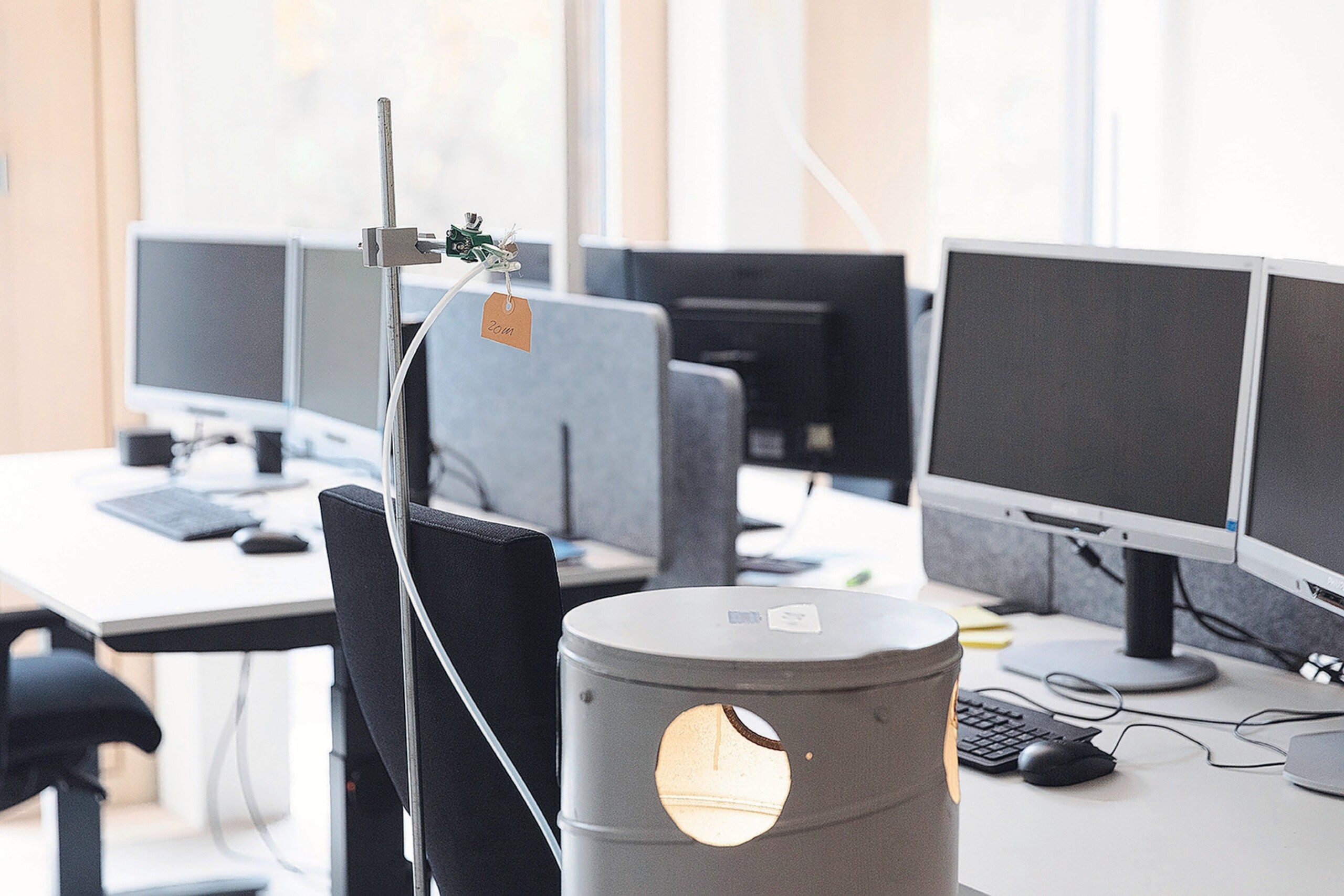
However, as spot measurements depend heavily on the current use of the space, occupancy levels and ventilation behaviour, the research group is increasingly relying on modern long-term measurements to carry out a thorough analysis. To this end, mobile, IoT-based measuring devices with automatic data transmission via the mobile network are used. The measurements can thus be monitored remotely in real time, enabling prompt intervention should limit values be exceeded and providing a robust data basis for optimising ventilation concepts and operational strategies. Parameters such as particulate matter, carbon dioxide, volatile organic compounds (VOCs) and airborne bacteria are recorded.
Flow visualisation for infection prevention
A key methodological focus at HSLU is the three-dimensional visualisation of indoor air flows. Air flows have a fundamental influence on the spread and distribution of pollutants or pathogens within a room. A classic and highly relevant scenario involves virus-laden aerosol clouds released by an infectious person whilst breathing, coughing or sneezing, which pose an acute risk of infection to others in the room.
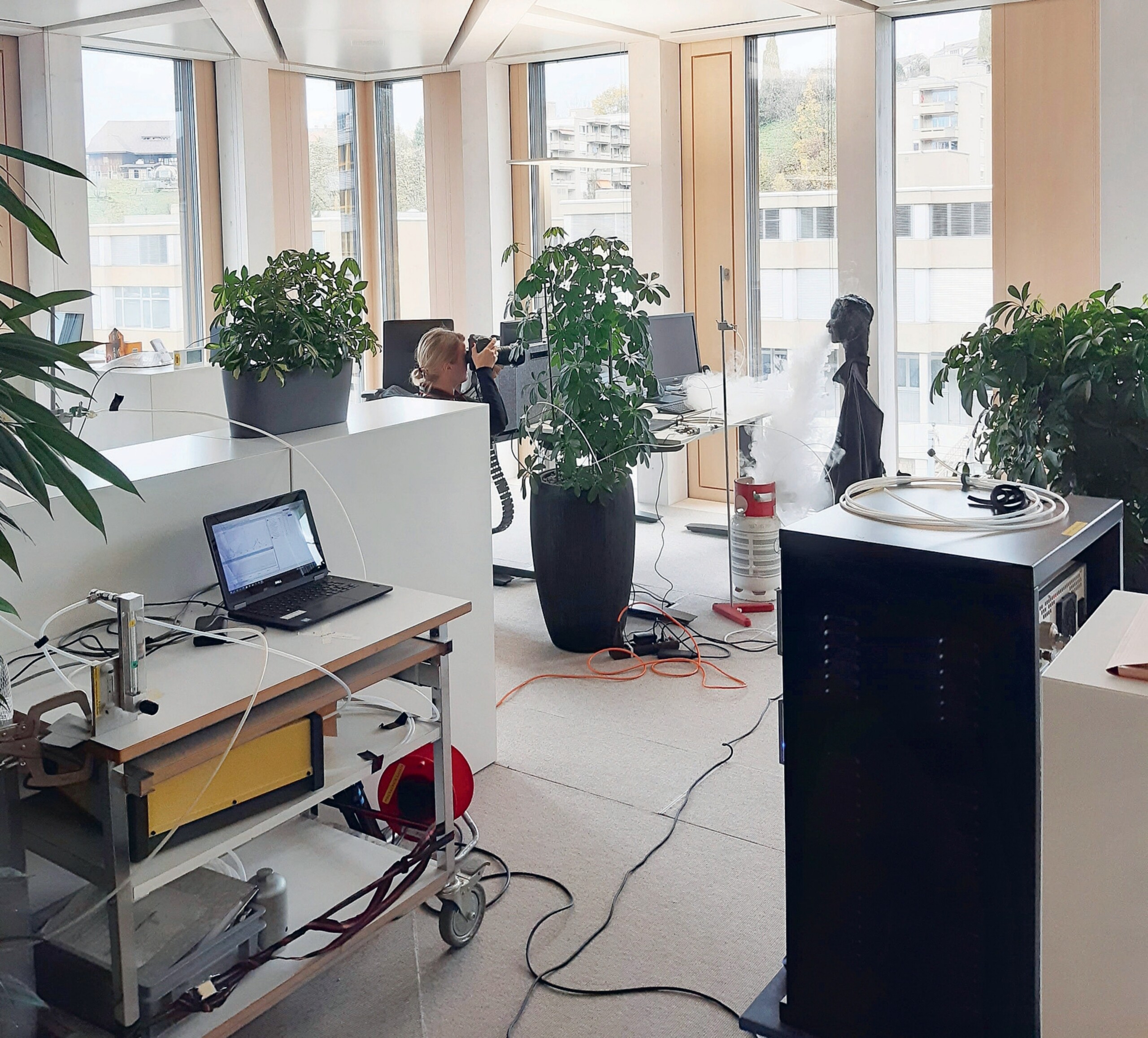
Using test aerosols that pose absolutely no health risk (e.g. special theatre fog) and precisely calibrated lighting technology, the HSLU research group makes these invisible air movements visible during actual plant operation.
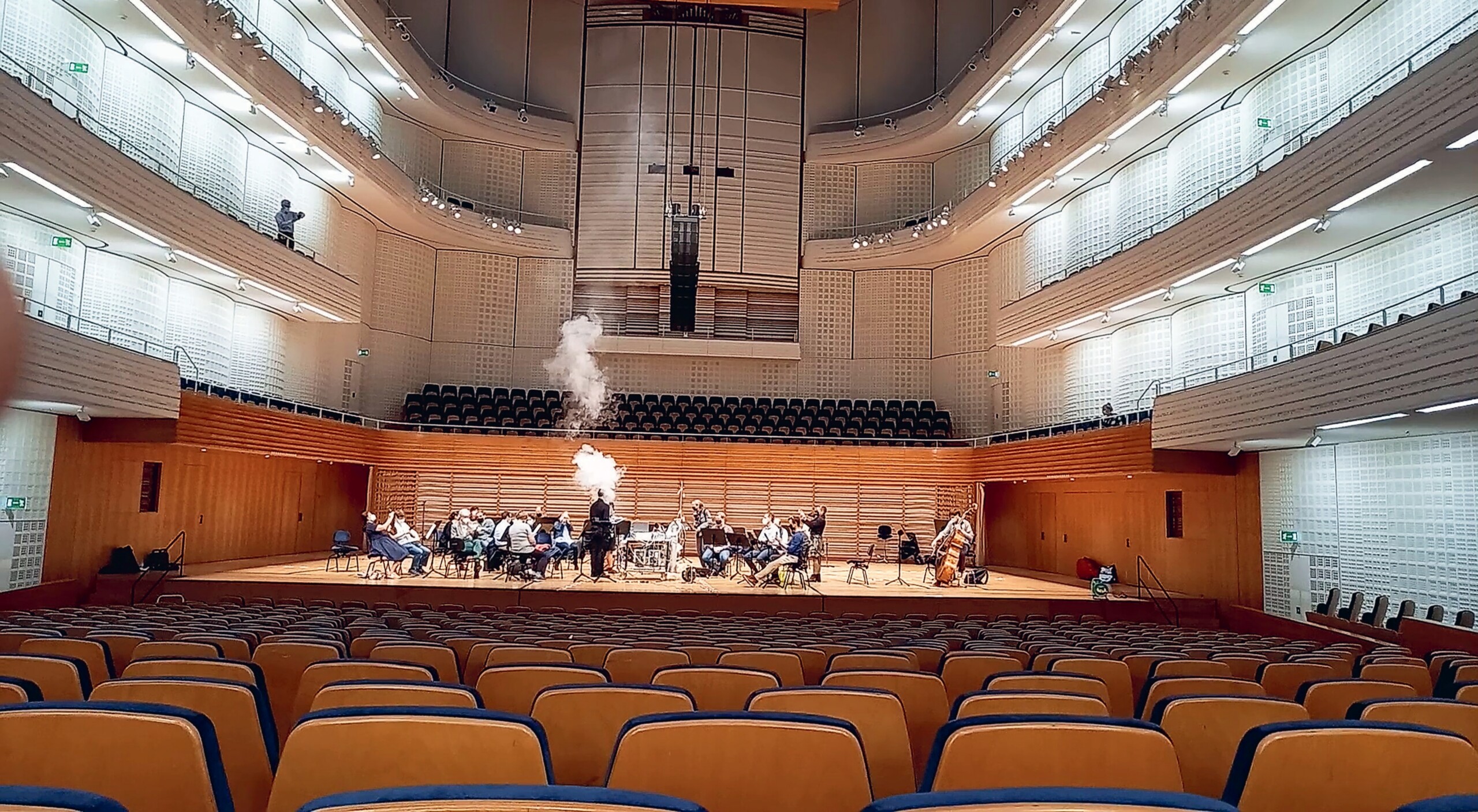
Caption: Fig. 7: The figure shows how a harmless aerosol can be used to visualise air flows within a large space (in this case, the concert hall at the KKL), thereby demonstrating how the air moves within the room and whether there are dead zones with elevated concentrations of pollutants (in this example, virus-laden aerosols are simulated). In these zones, areas with different temperature levels to the rest of the room may also form, which can lead to thermal discomfort or dissatisfaction. (Source: HSLU / courtesy of the author)
On the basis of these impressive flow patterns, the transfer of particles between adjacent workstations can be precisely quantified using optical particle counting. This enables a reliable assessment of the actual risk of infection and the identification of effective building services measures to drastically improve health protection against airborne microorganisms (bacteria, spores, viruses).
In mechanically ventilated buildings, it is also the fundamental role of the ventilation system to filter the outside air so efficiently that it enters the rooms free of fine dust and pollen. However, technical malfunctions in the system – caused by inadequate maintenance, poor filtration, condensation in the ductwork or corrosion – can have devastating consequences. Micro-organisms such as mould or bacteria can then multiply rapidly on the damp duct surfaces, be carried along by the air flow and, unnoticed, be transported deep into the living spaces.
HSLU therefore carries out qualified hygiene tests in accordance with the recognised SWKI VA-104 standard and proactively supports facility operators in achieving their air hygiene objectives. In the Building Services Engineering Laboratory, innovative air purification systems can also be tested for their actual microbial efficacy. For manufacturers and suppliers, the HSLU prepares independent expert reports on the compliance of their products with current hygiene guidelines.
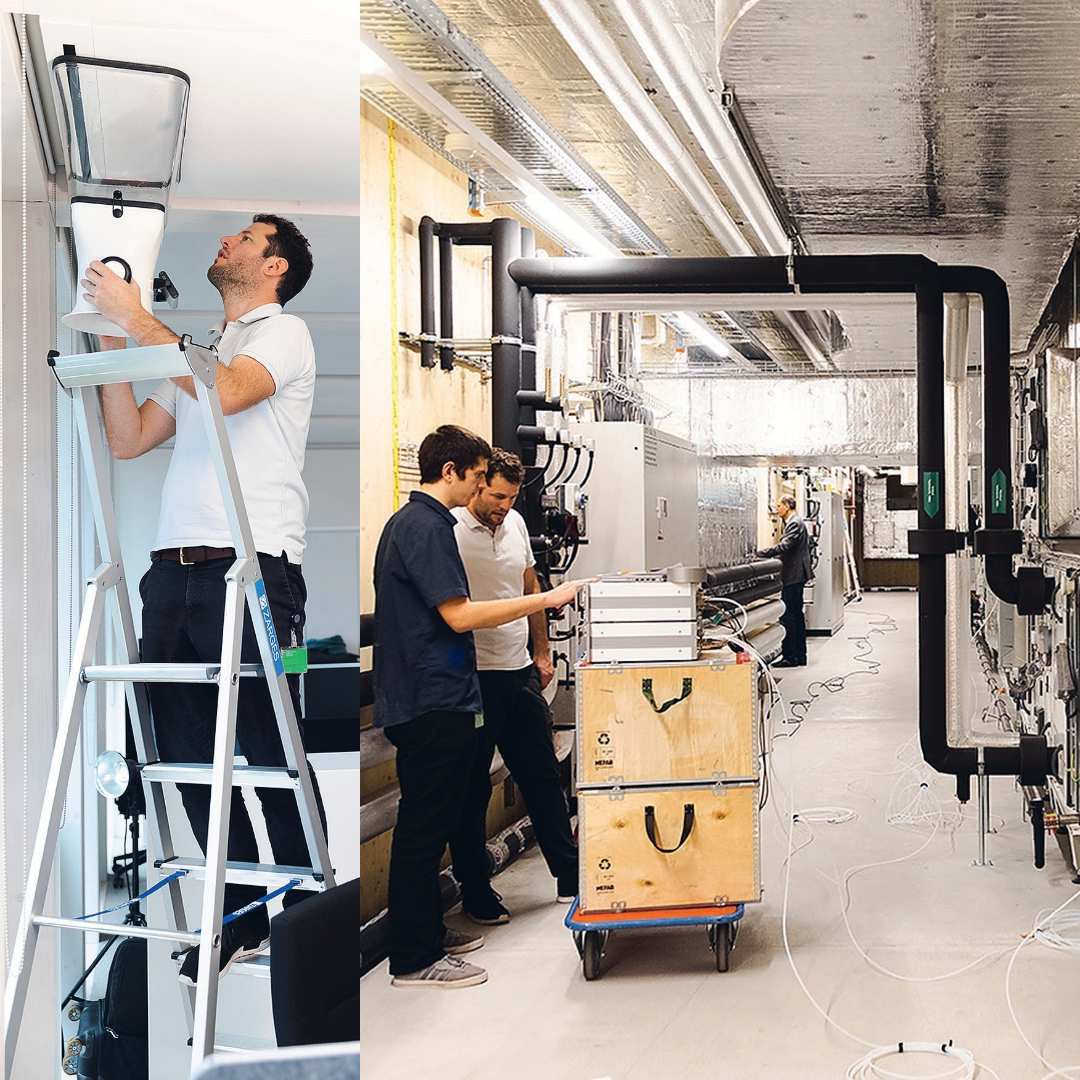
Caption: Figs. 9 and 10: Hygiene inspection of a ventilation system. In the photograph on the right, the rate at which odours from the exhaust air are transferred into the supply air is being measured. This allows an on-site check to be carried out to ensure that the standard values are being met. (Source: BBL)
Services: Going one step further than the norm
The HSLU research group sees itself as a direct link to the world of applied practice. It offers planning consultancies, installation firms, manufacturers and property operators solution-oriented services that deliberately go beyond conventional standard tests:
- Expert reports & root cause analysis: The research group identifies faults in the system. From metrological assessments and hazard and risk analyses in accordance with current regulations such as the SVGW Guideline W3, SIA 385/1 and 385/2, and the SWKI Guideline VA 104, right through to expert reports and self-monitoring concepts, the team provides well-founded recommendations for action.
- Highly specialised analysis: The specialists make the invisible visible. Whether it is the detection of Legionella using high-speed PCR (ISO 12869), measurements of particulate matter and VOCs in indoor air, or high-resolution fluorescence microscopy – building services systems are tested down to the smallest detail.
- Comprehensive hygiene assessment: Health in a building is about more than just clean water. HSLU takes a holistic approach, combining water and air hygiene with an analysis of thermal comfort, acoustics, lighting and radon levels.
- Test bench services for industry: When companies develop new products, the Sanitary Appliances, Ventilation Components and Materials Research Group independently tests them for durability, mechanical functionality and microbiological compatibility.
(For standard laboratory analyses, the research group works closely with accredited Swiss partners. Full details of the services are available at www.hslu.ch/guh.)
Continuing Professional Development 2026: A competitive edge through practical knowledge
As standards change and technologies continue to evolve, HSLU translates the latest research findings directly into installation and planning practice. The courses on offer are specifically aimed at professionals in the fields of planning, implementation and operation who wish to keep their knowledge up to date. The courses provide knowledge that complies with current standards – always supplemented by illustrative practical examples, laboratory tours and interdisciplinary exchange.
Tip for businesses: For larger organisations, hospitals or property management firms, HSLU can also organise bespoke in-house training courses on site, on request.
An overview of the highlight courses for 2026:
- Drinking water hygiene in buildings: 24–25 November 2026 (STFW Winterthur)
- Circulation systems – design and hydraulic balancing: 23–24 June 2026 (STFW Winterthur)
- Legionella sampling: 25 June 2026 (German) | French version in the planning stage
- Efficient transmission of thermal energy in hydraulic networks: Starting 28 April 2026
- In preparation for 2026: Water hygiene in hospitals and care homes | Hygienic and efficient operation of evaporative cooling systems.
You can find detailed course content, registration forms and pricing information directly on the HSLU’s official continuing education platform: www.hslu.ch/de-ch/technik-architektur/weiterbildung/fachkurse.
Conclusion: The measurable benefits for the industry
The ‘Health and Hygiene’ research group at HSLU acts as a scientific and practical partner for safe building services in Switzerland. Collaboration offers planners, installers and operators tangible benefits:
- Minimising risks: Hygiene-related vulnerabilities are identified long before costly damage or health emergencies arise.
- Planning and operation in accordance with standards: State-of-the-art systems can be implemented with absolute safety and in compliance with regulations (SIA, SVGW, SWKI), whilst maximising energy and resource efficiency.
- Confidence in decision-making: In the event of remediation works or acute incidents, HSLU provides impartial, scientifically sound expert advice, including on legal and insurance-related matters.
- Competitive advantage: Thanks to practical training programmes, the company’s specialist knowledge always remains at the cutting edge.
Anyone wishing to resolve an urgent technical fault, seek an independent second opinion or specifically develop their team’s expertise will find the Lucerne University of Applied Sciences and Arts to be a professionally sound and practice-oriented point of contact.
This article is based on the academic paper by Hans Peter Füchslin (co-authors: Christina Giger, Geraldine Cerretti, Franziska Rölli, Reto von Euw, Benoit Sicre), Lucerne University of Applied Sciences and Arts – Technology & Architecture, Institute of Building Services Engineering and Energy, published in *Planer + Installateur* 1·26, pp. 20–26. Editorially revised version.
Anzahl Likes:0
Share post
Knowledge articles from this category


Suitable offers
Washroom
to the provider
Diversey Lesseau
Chemical products
to the provider
IPC BIOSAN RAPIDE WT
Machines
to the provider
Kärcher HDS-Trailer HDS 17/20 De Tr1
Machines
to the provider
Kärcher High-pressure cleaner HD 5/12 CX Plus + FR Classic

Cleaning material
to the provider
Flühler Heavy Duty hazard table
Our platform partners share their knowledge and high-quality products on Hygieneforum.ch - we introduce our platform partners.
To the partnerships
Emergency
Hygiene emergency
Emergency
Hygiene emergency